You spent weeks digging, lining, and filling your backyard pond—only to watch it sit like a lonely eyesore surrounded by bare dirt or mismatched mulch. Most “inspired” landscaping around pond ideas fail within months: plants die, rocks shift, algae blooms choke everything. But what if your pond could become the magnetic centerpiece of a low-maintenance, thriving ecosystem—not just a water feature, but a living extension of your outdoor space?
Why 90% of Pond Landscaping Projects End in Regret
Homeowners treat ponds like afterthoughts. They slap down river rock, toss in a few lilies, and call it a day. Then winter hits—or summer drought—and everything collapses. Soil erodes into the water. Invasive roots puncture liners. Poor drainage turns edges into mud pits.
And here’s the brutal truth: Pinterest-perfect designs rarely account for real-world hydrology, local frost lines, or how wildlife actually interacts with your setup. You’re not building a photo—you’re engineering a micro-habitat.
Step-by-Step Guide to Durable, Beautiful Landscaping Around Pond Ideas
Forget cookie-cutter layouts. Start with function, then layer in beauty. This isn’t about aesthetics alone—it’s about creating buffers, transitions, and resilience.
Select Your Edging Strategy Based on Climate, Not Aesthetics
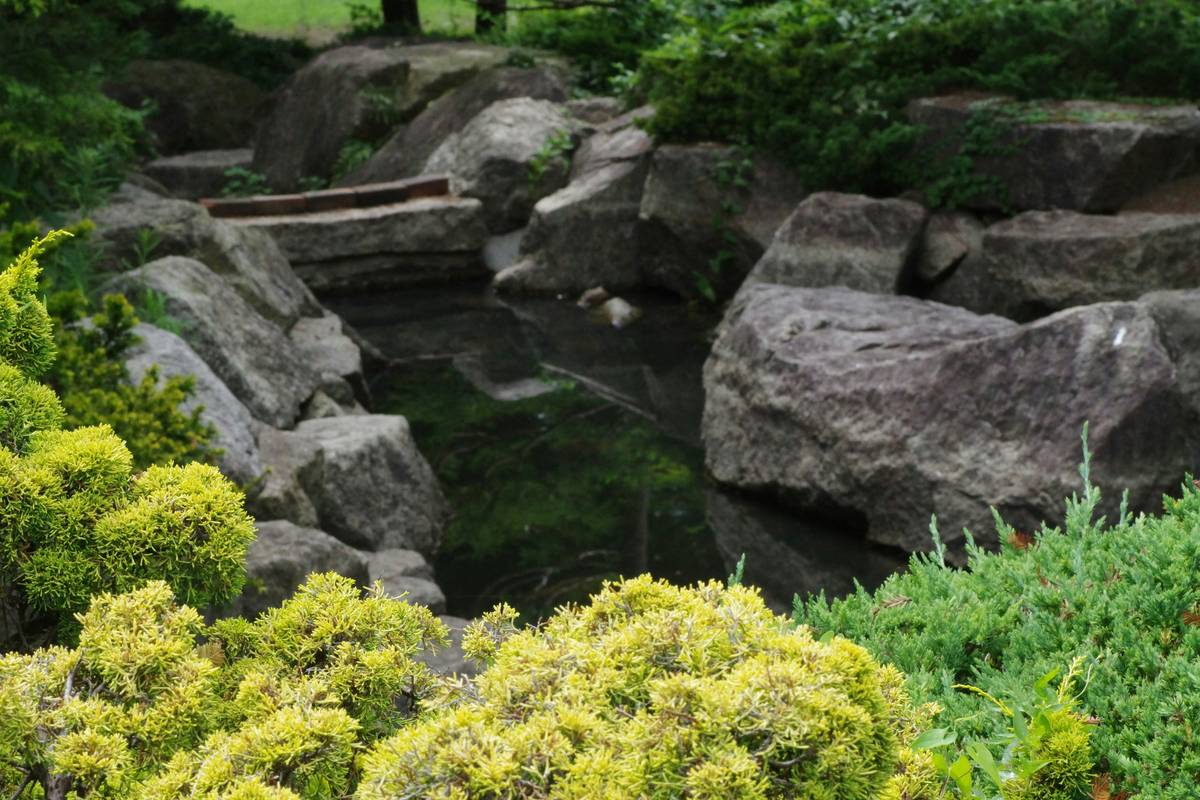
In freeze-thaw zones? Avoid thin flagstone—it cracks. In humid regions? Skip wood—it rots fast. Match materials to your biome, not your mood board.
Layer Planting Zones Like a Pro
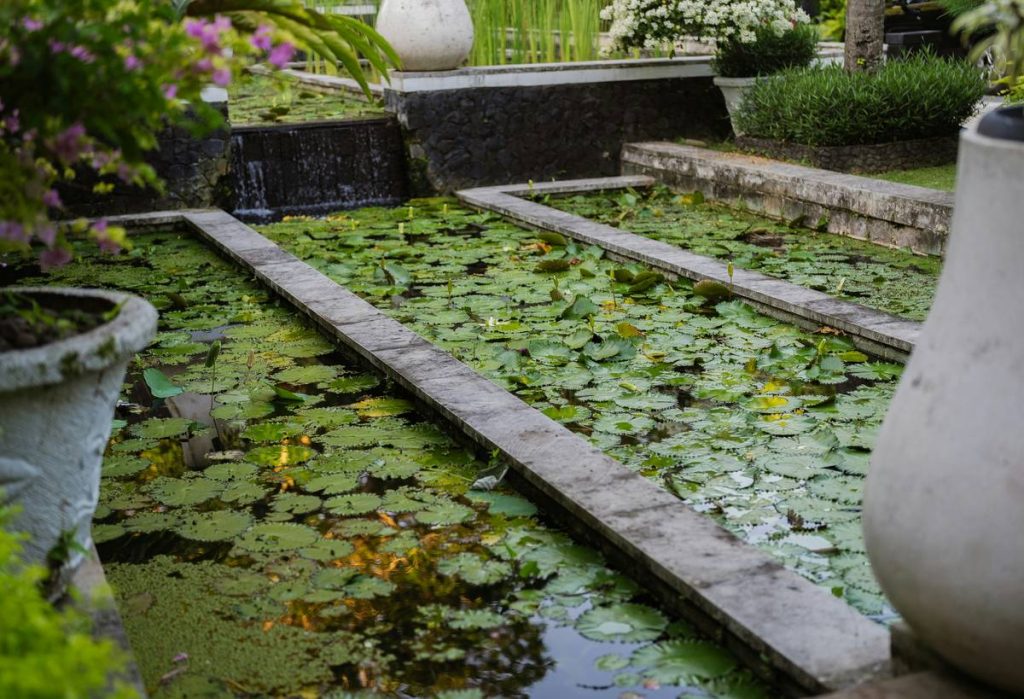
Zone 1 (in-water): Submerged oxygenators like hornwort. Zone 2 (bog edge): Iris, marsh marigold. Zone 3 (damp margin): Ferns, hostas. Zone 4 (dry outer ring): Ornamental grasses or creeping thyme. Each zone stabilizes soil and filters runoff—naturally.
Integrate Hardscaping for Flow, Not Just Looks
A stepping stone path shouldn’t just look pretty—it should direct foot traffic away from fragile margins. Curved edges prevent water pooling. And always slope grading gently away from the pond (1–2%) to avoid rainwater contamination.
| Edging Material | Upfront Cost (per linear ft) | Lifespan | Wildlife-Friendly? | Maintenance Level |
|---|---|---|---|---|
| Local fieldstone | $8–$15 | 20+ years | Yes — gaps create habitats | Low |
| Poured concrete | $12–$20 | 10–15 years | No — smooth, hot surface | Medium (cracking repair) |
| Reclaimed brick | $6–$10 | 8–12 years | Partially — porous but can leach minerals | Medium-high |
| Native ground cover (e.g., sedum) | $3–$7 | Ongoing renewal | Yes — soft, cooling root zone | Low (once established) |
The Industry Secret: Mimic Nature’s “Messy” Edges
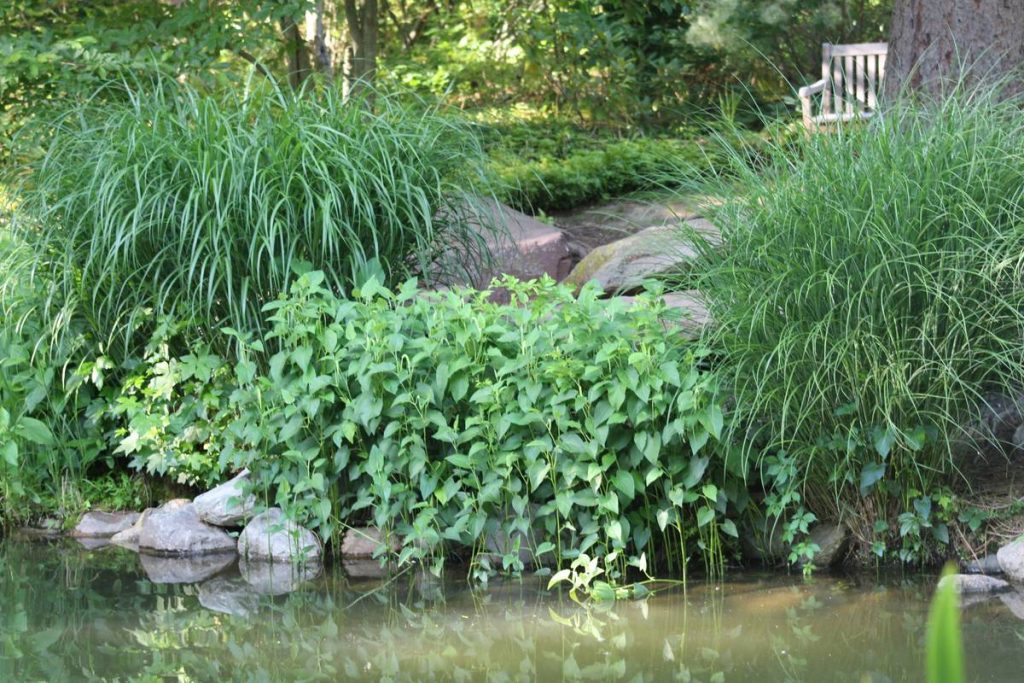
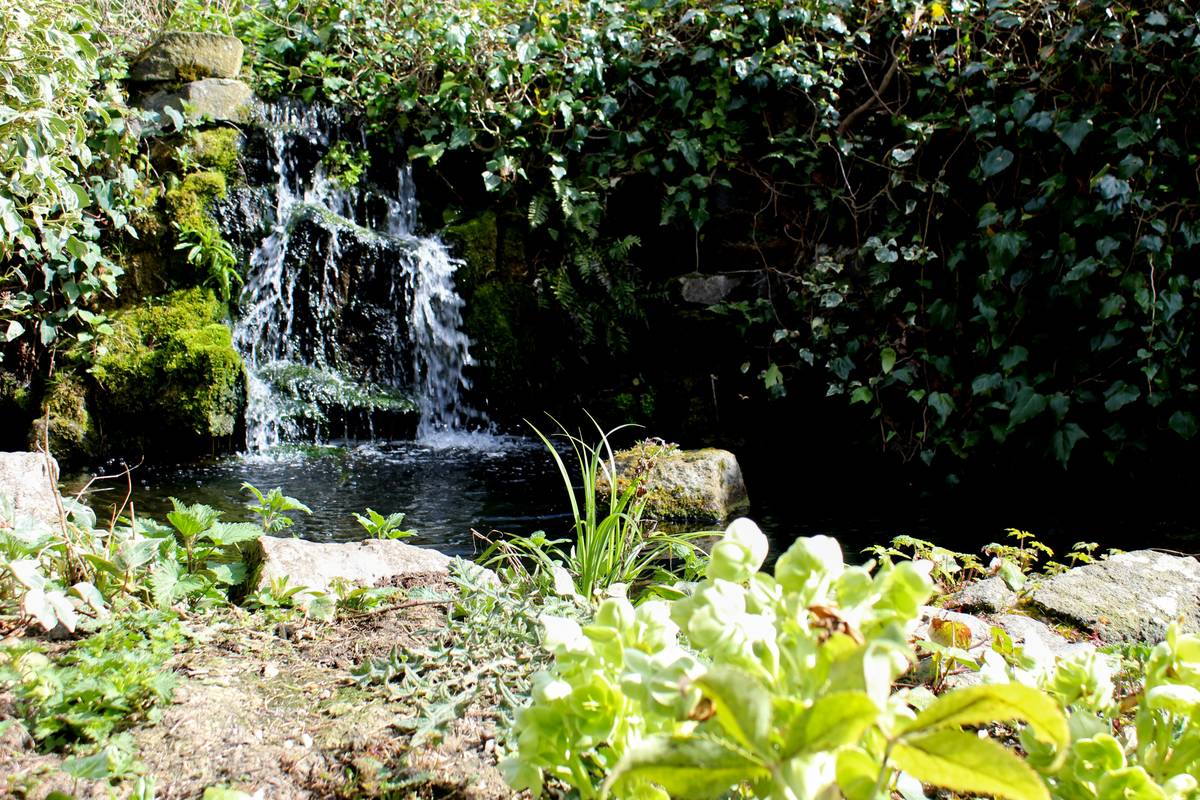
Landscape designers won’t tell you this—but the most successful ponds look slightly wild. Not unkempt, but ecologically intentional. Leave a 6–12 inch “soft edge” of native reeds or rushes between hardscape and open water. Why? It traps sediment, shades the liner from UV degradation, and gives frogs a safe entry point. Fish thrive. Algae starves. Maintenance drops by half.
Think about it: natural ponds don’t have crisp borders. They feather into their surroundings. Your backyard version should too—just with smarter plant selection and hidden erosion control (like coir logs under the soil). The math is simple: more biodiversity at the edge = less work for you.
Frequently Asked Questions
What plants keep pond water clear naturally?
Oxygenating plants like anacharis and parrot’s feather absorb excess nutrients that feed algae. Floating plants (water hyacinth, duckweed) shade the surface—blocking sunlight algae needs to grow.
How far should grass be from the pond edge?
Keep turf at least 18 inches away. Grass roots invade liner seams, and lawn fertilizers cause toxic algal blooms. Use gravel or ground cover as a buffer zone instead.
Can I use landscape fabric around my pond?
Avoid standard plastic-weave fabric—it sheds microplastics into water and blocks natural root filtration. If needed, use biodegradable jute mesh only beneath stone, never near planting zones.