Ever spent a weekend digging a hole for your dream garden pond—only to watch it turn into a murky, mosquito-breeding eyesore by July? You’re not alone. Pond landscaping ideas with visual appeal and ecological balance are harder than they look. Many DIYers overlook critical factors like liner placement, plant selection, and drainage, leading to leaks, algae explosions, or dead fish. In this guide, we’ll walk you through actionable, expert-backed strategies to create a stunning, low-maintenance water feature that boosts your home’s curb appeal—and value.
Table of Contents
- Why Garden Ponds Matter in Home Improvement
- Step-by-Step Guide to Building Your Pond
- Top Best Practices for Long-Term Success
- Real-World Examples That Worked
- Frequently Asked Questions
Key Takeaways
- A well-designed pond can increase property value by up to 7% (University of Minnesota Extension).
- Always slope pond edges inward slightly to prevent rainwater runoff contamination.
- Use native aquatic plants—they require less maintenance and support local wildlife.
- Avoid the “bathtub effect”: never line your pond with smooth, non-porous materials without proper substrate.
- Integrate lighting and hardscaping early in the design phase for cohesive aesthetics.
Why Garden Ponds Matter in Home Improvement
Garden ponds aren’t just decorative—they’re functional landscaping features that contribute to biodiversity, stormwater management, and outdoor living quality. According to the U.S. Environmental Protection Agency, properly designed residential water features can reduce localized flooding by capturing rainwater and allowing gradual infiltration.
I learned this the hard way. My first pond used a cheap vinyl liner placed directly on compacted clay. Within three months, tree roots punctured it, and stagnant water attracted every mosquito in the county. Worse, I’d positioned it under a maple tree—constant leaf drop choked the filter. Today, I know better: site selection is half the battle.
Step-by-Step Guide to Building Your Pond
1. Choose the Right Location
Avoid areas under trees (leaf debris = algae fuel) and near downspouts (excess runoff causes overflow). Full sun is ideal for most aquatic plants—but include partial shade zones if you plan to add fish.
2. Determine Size and Depth
For fish survival in winter, aim for at least 24 inches of depth in colder zones. A surface area of 50–100 sq ft balances visual impact with maintainability. Sketch dimensions before digging.
3. Install Liner and Underlayment
Use EPDM rubber liner (not PVC) over geotextile fabric. The fabric prevents punctures from rocks or roots. Overlap edges generously—bury excess under border stones later.
4. Add Filtration and Circulation
A submersible pump paired with a biofilter keeps water clear. Match pump capacity to pond volume: e.g., a 500-gallon pond needs a 500 GPH (gallons per hour) pump minimum.
5. Incorporate Plants Strategically
Layer vegetation: submerged (oxygenators like hornwort), floating (water lilies), and marginal (iris, cattails at edges). This mimics natural ecosystems and reduces nutrient buildup that feeds algae.
Top Best Practices for Long-Term Success
- Test your soil pH before planting—most aquatic species thrive between 6.5–7.5.
- Install edging early: natural stone or flagstone not only looks great but stabilizes banks and hides liner edges.
- Winterize properly: in zones below freezing, use a pond heater or air bubbler to prevent complete ice sealing, which suffocates fish.
- Avoid overstocking fish: rule of thumb is 1 inch of fish per 10 gallons of water—max.
And here’s a terrible tip I once followed: “Just toss in some goldfish—they’ll eat the mosquitoes!” Wrong. Goldfish stir up sediment, damage plants, and can’t survive cold winters without deep water. Stick to mosquito fish (Gambusia affinis) or native species recommended by your state’s wildlife agency (U.S. Fish & Wildlife Service).
Real-World Examples That Worked
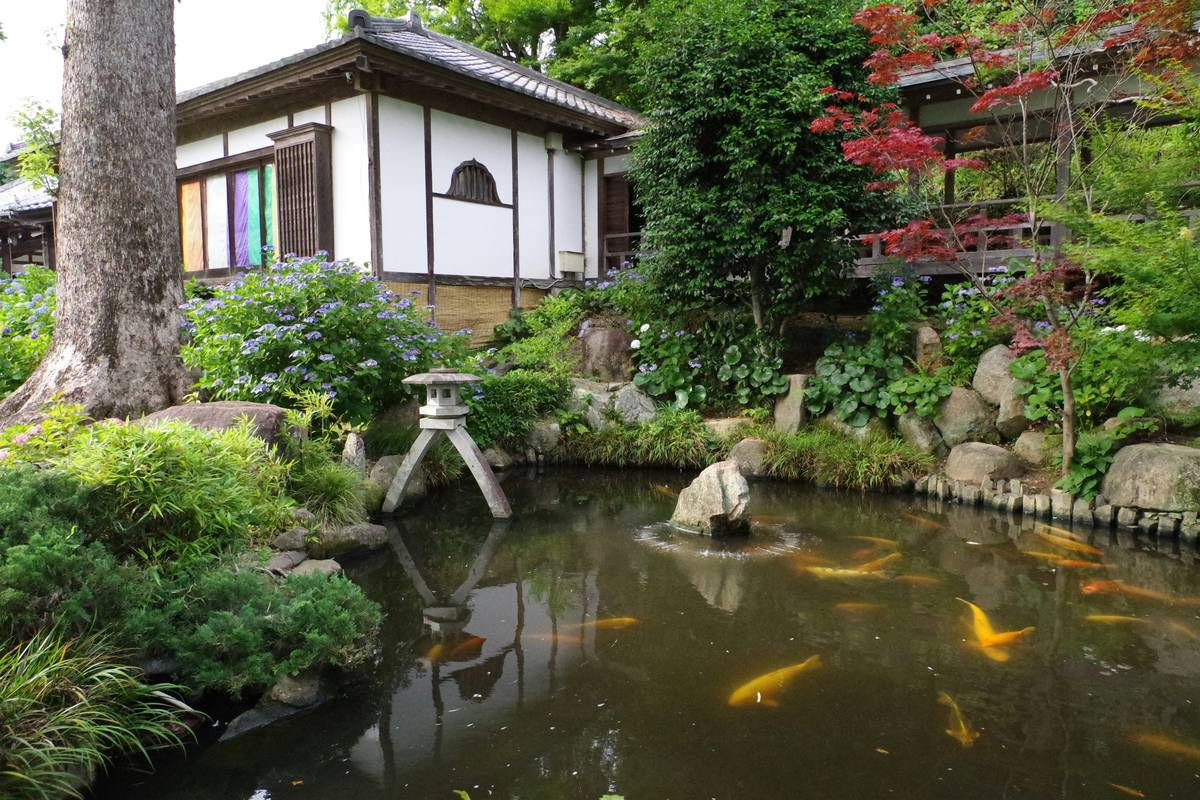
In Lakeland, Florida, a homeowner transformed a soggy backyard patch into a koi pond with cascading rock spillways. By using local limestone edging and installing solar-powered LED lighting, they achieved year-round visual interest. Maintenance costs dropped 40% after switching to native pickerelweed and duck potato instead of imported lilies.
Another case: a Chicago couple built a shallow wildlife pond (no fish) lined with fieldstone. Within one season, dragonflies, frogs, and songbirds appeared regularly. Their secret? They included a gently sloping “beach” entry using smooth river pebbles—making it accessible for amphibians and kids alike.
Frequently Asked Questions
How much does a backyard pond cost?
Diy installations range from $500–$2,500 depending on size and materials. Professional builds start around $5,000. Always budget 15% extra for pumps, plants, and contingency.
Do garden ponds attract snakes?
Rarely. Most snakes avoid open water unless prey (like frogs) is abundant. Keep grass trimmed around the perimeter to discourage hiding spots.
Can I install a pond on a slope?
Yes—but it requires terracing and reinforced retaining walls. Consult an engineer if the grade exceeds 10%. Our contact page can connect you with local landscape pros.
How often should I clean my pond?
Minimal cleaning is best. Remove debris monthly, but never scrub all surfaces—that kills beneficial bacteria. Full cleanouts are needed only every 3–5 years.
Are there legal restrictions on pond building?
Check local ordinances. Some municipalities require permits for ponds over 24 inches deep due to safety concerns. Visit your city’s planning department website or review our About Us section for regional insights.
What’s the best liner for pond landscaping ideas with longevity?
EPDM rubber lasts 20+ years and resists UV degradation. Avoid recycled liners—they often contain micro-tears. When sourcing materials, ensure compliance with environmental standards outlined in our Privacy Policy regarding supplier data.
Conclusion
Pond landscaping ideas with thoughtful design don’t just beautify—they heal. A thriving pond becomes a living classroom for kids, a sanctuary for pollinators, and a mirror reflecting your sky. Skip the shortcuts. Plan for ecology, not just aesthetics. And if you’re ready to bring water wisdom to your yard, reach out to our team. We’ve helped hundreds transform mud holes into magic—and we’d love to help you too.
Still water runs deep… but yours should sparkle.