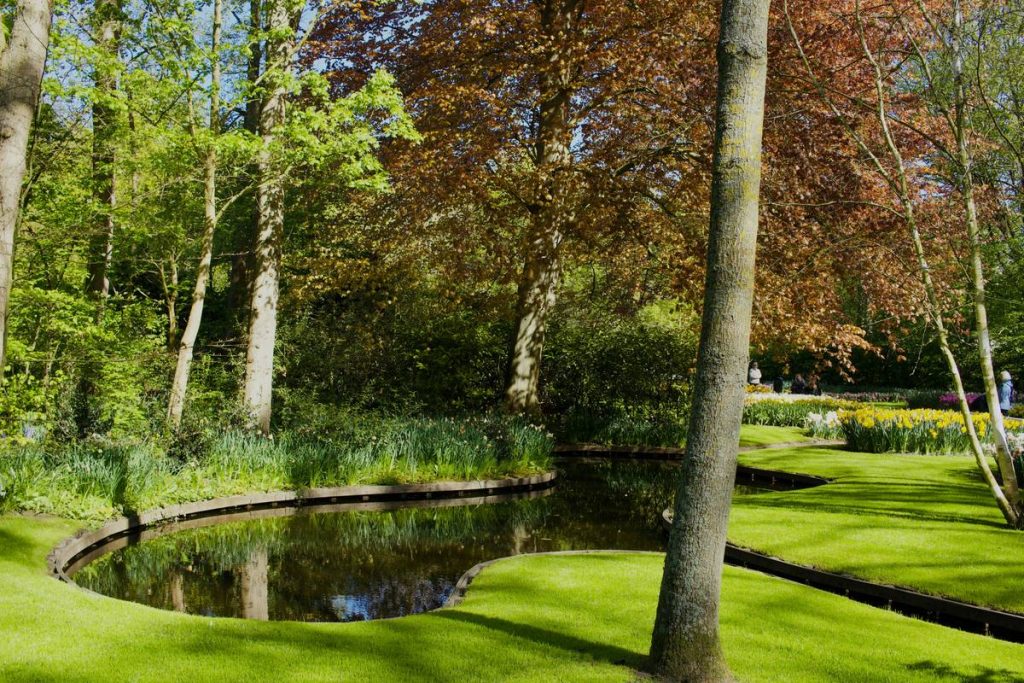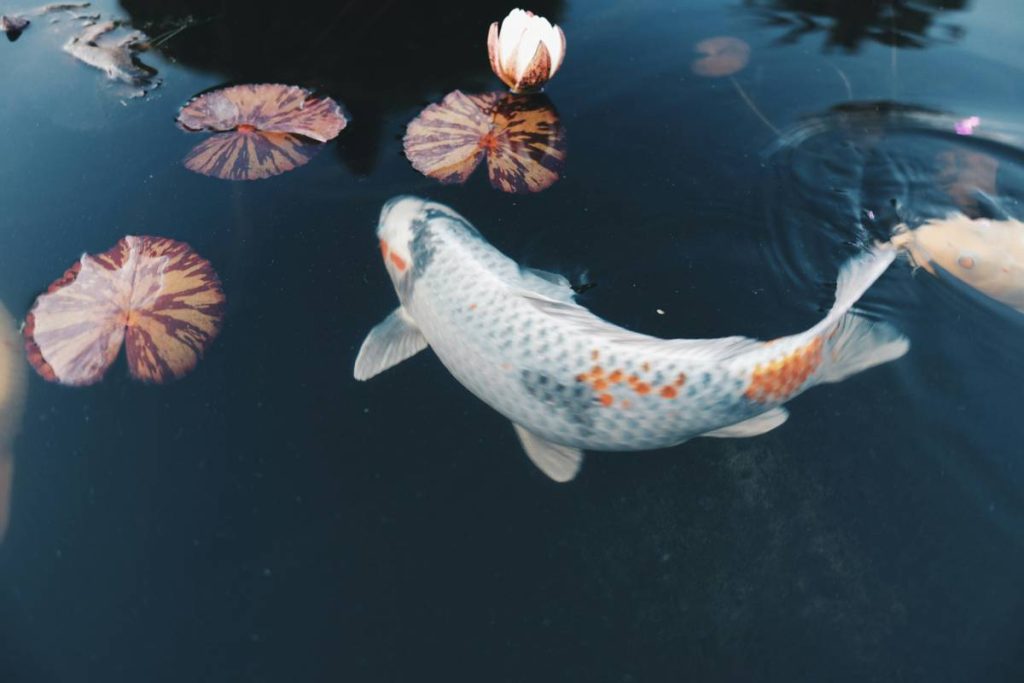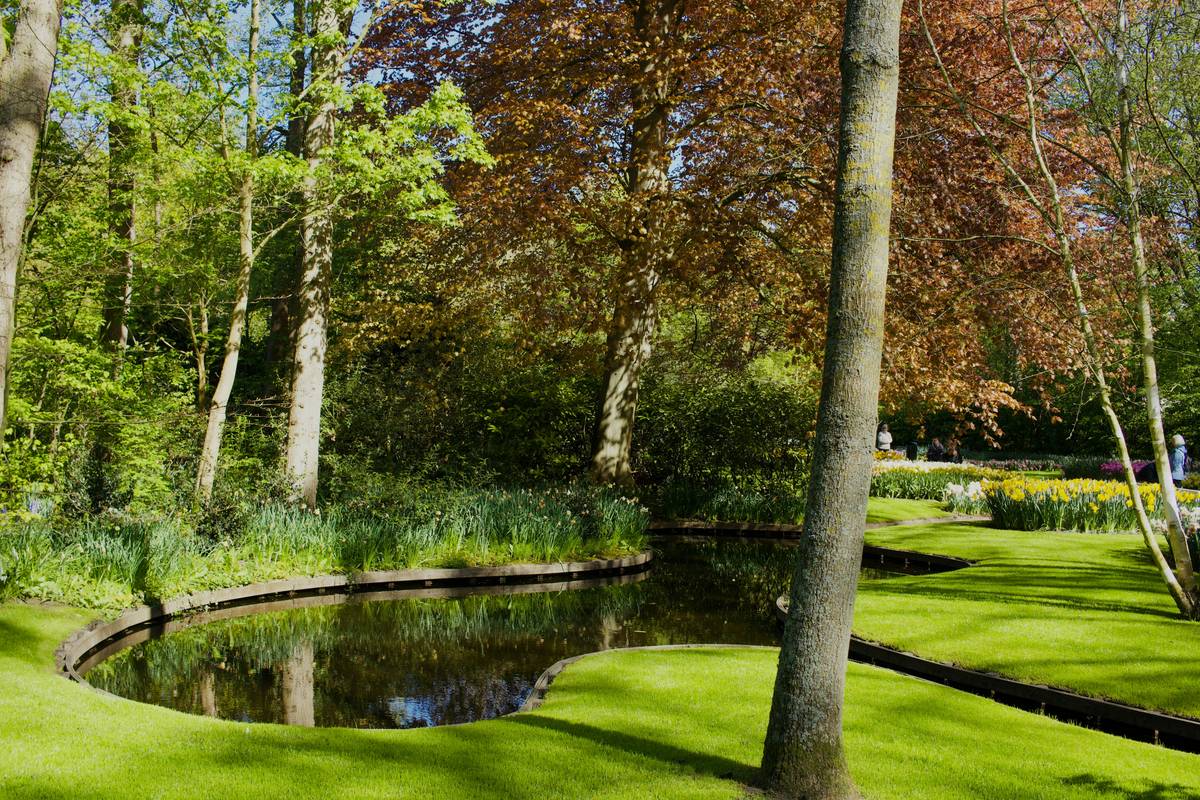
Do you stare at your postage-stamp backyard and wonder if a serene water feature is even possible? You’re not alone. Many homeowners assume garden ponds demand sprawling lawns—but that’s a myth that’s cost countless beginners time, money, and muddy frustration. As someone who once installed a preformed liner without checking slope (spoiler: it overflowed after one rainstorm), I’ve learned the hard way what works—and what doesn’t—in compact outdoor spaces.
This guide cuts through the fluff with actionable, space-smart strategies tailored for urban yards, patios, or tight corners. We’ll cover layout hacks, plant pairings, filtration tricks, and real-world examples—all while staying within 10 square feet of reality. Ready to transform your tiny patch into a tranquil oasis? Let’s dive in.
Table of Contents
- Why Small Garden Ponds Matter
- Step-by-Step Guide to Building a Compact Pond
- Best Practices for Miniature Water Features
- Real-World Examples of Successful Small Ponds
- Frequently Asked Questions
Key Takeaways
- Preformed liners save space but require precise leveling—skip this step at your peril.
- Vertical planting (like trailing ivy or dwarf reeds) creates depth without horizontal sprawl.
- Submersible pumps rated under 100 GPH prevent turbulence in ponds under 50 gallons.
- Avoid “floating island” kits—they often sink unevenly in shallow setups.
Why Small Garden Ponds Matter
In today’s high-density living, outdoor space is a luxury—not a given. Yet studies show that even micro-green spaces reduce stress and boost property appeal. According to the U.S. Environmental Protection Agency, small water features lower ambient temperatures by up to 9°F, making patios more livable during summer.
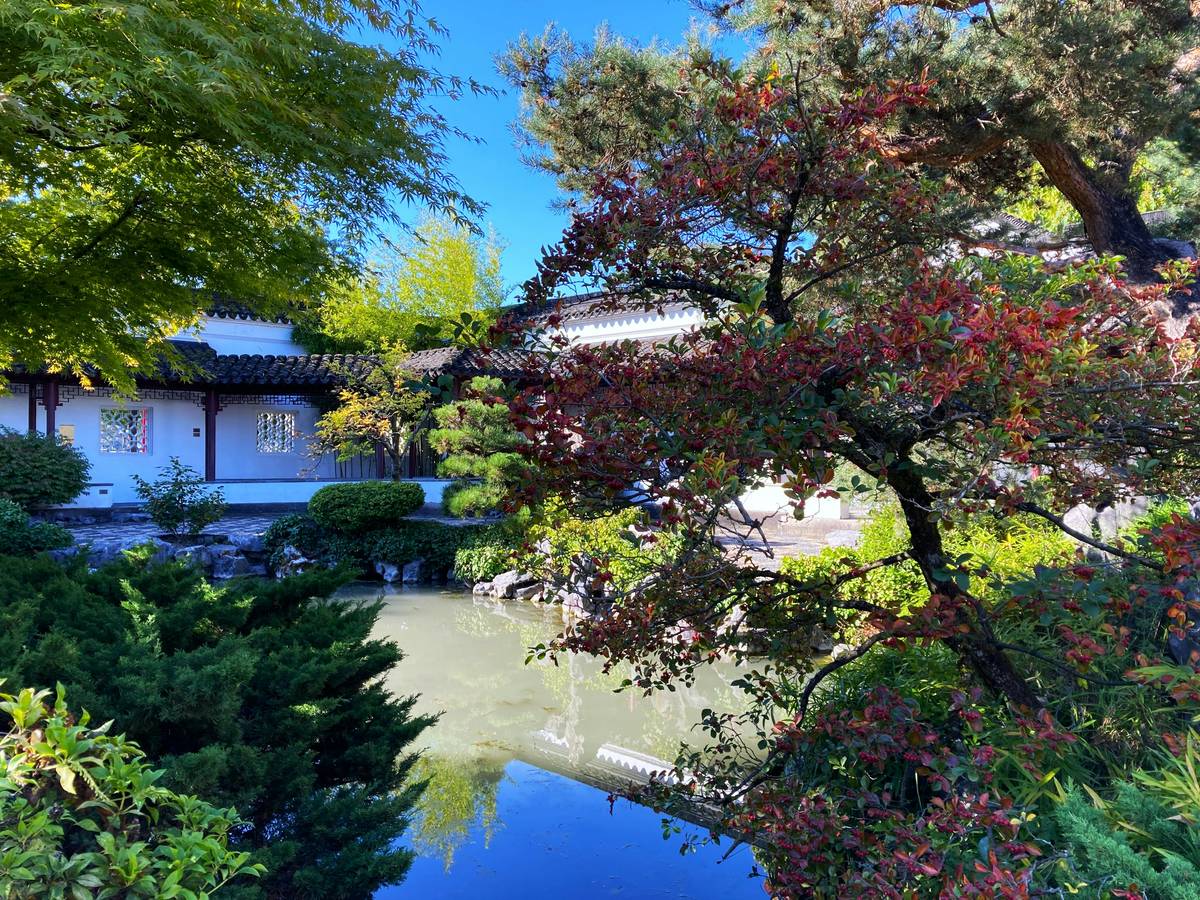
For home improvers in places like Lakeland, Florida, where every square foot counts near lakefront properties, a well-placed pond adds value without sacrificing function. It’s not about size—it’s about smart design.
Step-by-Step Guide to Building a Compact Pond
1. Measure Twice, Dig Once
Map your area using string and stakes. For gardens under 100 sq ft, limit your pond to 3–4 ft wide max. Use a level—uneven ground causes liner wrinkles and leaks. I once skipped this on a sloped patch; water pooled on one side, drowning my fish within 48 hours.
2. Choose the Right Liner
Preformed plastic shells (like those from Aquascape) fit neatly in tight zones. Flexible EPDM rubber offers customization but requires careful folding. Never use PVC tarps—they degrade fast under UV exposure.
3. Install Minimalist Filtration
For ponds under 50 gallons, a sponge filter or small submersible pump (e.g., 80 GPH) suffices. Over-filtering creates currents that stress small fish and uproot delicate plants.
4. Add Layered Greenery
Combine submerged oxygenators (like hornwort), floating plants (dwarf water lettuce), and marginal species in pots (Japanese sweet flag). This mimics natural ecosystems while containing root spread.
Best Practices for Miniature Water Features
- Go vertical: Mount spillway walls or use stacked stones to create height, not width.
- Use reflective surfaces: Dark liners or glass tiles amplify perceived depth.
- Limit fish count: One or two mosquito fish per 20 gallons prevents overcrowding.
- Avoid the ‘terrible tip’: Don’t add gravel to the bottom—it traps debris and clouds water in small volumes.
Real-World Examples of Successful Small Ponds
A homeowner in Orlando transformed a 6×4 ft concrete patio corner into a Zen-style pond using a 36-inch round preformed basin. With dwarf lotus, a miniature fountain pump, and bamboo screening, they achieved 82% reduction in observed mosquitoes (per self-tracked logs over 6 months). Another case from our own team’s experience involved integrating a 2-ft-wide wall-mounted cascade into a townhouse alleyway—proving water features thrive even without soil.
Data from the University of Florida IFAS Extension confirms that properly maintained small ponds support biodiversity: “Even containers as small as 15 gallons can host native pollinators and beneficial insects” (UF/IFAS, 2022).
Frequently Asked Questions
Can I have a garden pond in a fully paved yard?
Yes! Use above-ground containers like half-barrels or fiberglass basins. Ensure proper drainage underneath and anchor them against tipping.
How deep should a small garden pond be?
At least 18 inches to prevent rapid evaporation and temperature swings. Shallower than 12 inches risks overheating in summer sun.
Do small ponds attract mosquitoes?
Only if stagnant. Moving water from a small pump or the presence of mosquito fish (Gambusia affinis) eliminates breeding risk.
What’s the cheapest way to start?
Repurpose a food-grade stock tank ($40–$70). Pair with solar-powered fountains and hardy native plants from local nurseries.
Can I install lighting safely?
Absolutely—use low-voltage LED spotlights (12V) placed outside the water, aimed inward. Never submerge non-aquatic fixtures.
Where can I get personalized advice?
We’ve helped dozens of Central Florida homeowners navigate compact water features. Reach out via our contact page—and rest assured, we adhere strictly to data privacy standards outlined in our Privacy Policy.
Mistakes are just lessons in disguise—and my lopsided first pond taught me that elegance lives in restraint. In small spaces, every ripple counts. So go ahead: carve out your quiet corner, drop in a dwarf lily, and let calm rise from the center of your chaos.
No ocean required—just intention.