Most homeowners dream of a serene backyard pond—but end up with a muddy eyesore, algae soup, or a maintenance nightmare. You’re not alone. The problem isn’t your vision. It’s that 90% of “pond ideas for yard” online ignore the brutal reality: water features live or die by hidden design choices made before the first shovel hits dirt. Here’s how to get it right the first time.
Why Most DIY Pond Projects Fail Within 18 Months
It starts with Pinterest-perfect photos and ends with mosquito breeding grounds. The core issue? People treat ponds like decorations—not ecosystems. They skip soil drainage tests. They oversize pumps. They line basins with cheap EPDM that cracks under UV stress within two seasons.
And they never account for evaporation in summer or leaf fall in autumn. Think about it: a “low-maintenance” pond that needs weekly skimming isn’t low-maintenance—it’s a second job disguised as landscaping.
Pond Ideas for Yard: A No-BS Step-by-Step Blueprint
Start With Shape & Depth—Not Plants
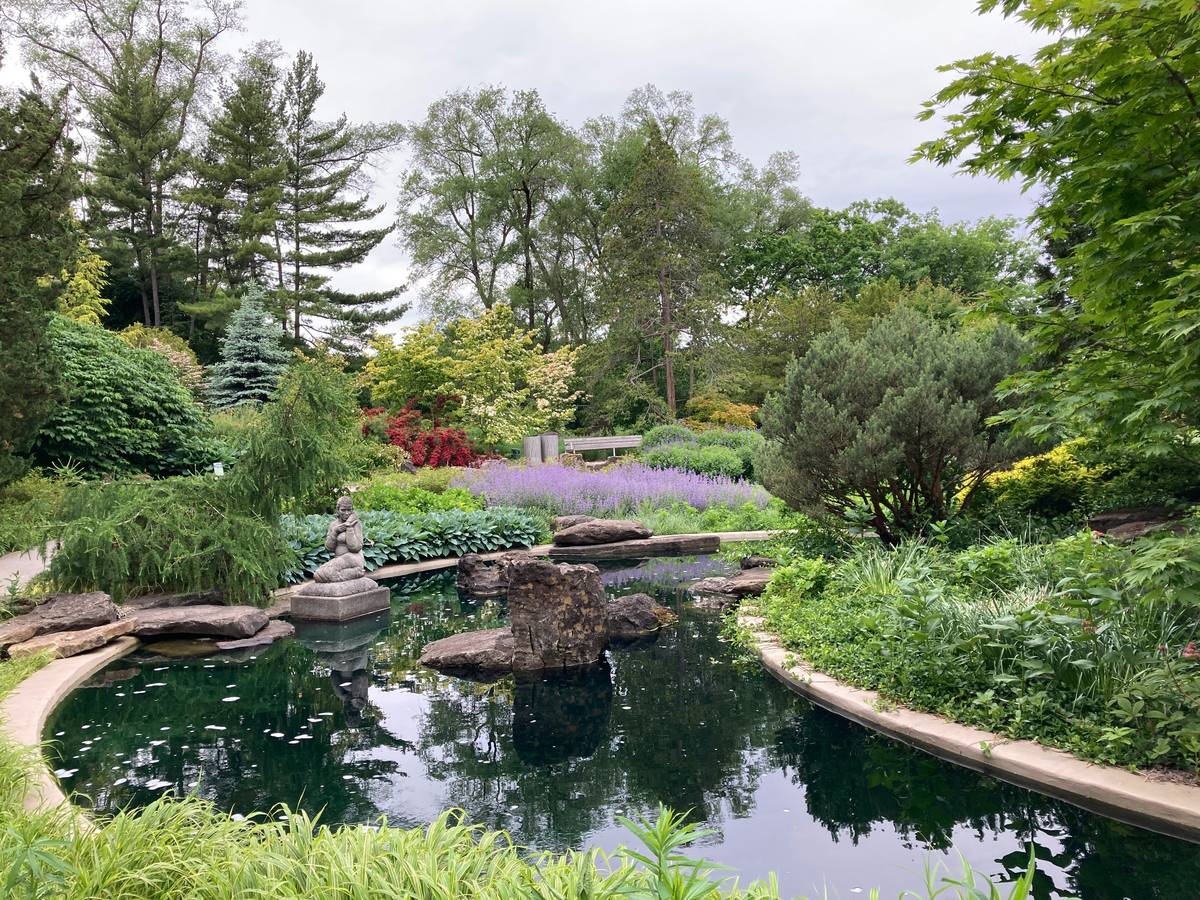
Forget lilies for now. Your pond’s geometry dictates everything: water circulation, fish survival in winter, even how light reflects at dusk. Aim for irregular shapes—kidney or crescent—not circles. Circles create dead zones where debris piles up. Depth matters too. Shallow = warm = algae city. Go at least 24 inches deep if you want clarity without chemicals.
Choose Liner Type Like a Pro
Rubber (EPDM) lasts 20+ years but costs more upfront. PVC is cheaper but degrades faster in sun. Concrete looks sleek but cracks with frost heave unless reinforced properly. Most beginners pick based on price—then pay double replacing leaks in year two.
Balance Biology, Not Just Aesthetics
A healthy pond has three layers: mechanical filtration (skimmer), biological (biofalls or submerged media), and plants (oxygenators like hornwort). Skip one, and you’ll fight green water forever. The math is simple: fewer chemical fixes = more time enjoying your yard.
| Method | Upfront Cost | Maintenance Level | Lifespan |
|---|---|---|---|
| Preformed Plastic Basin | $150–$400 | High | 3–5 years |
| EPDM Rubber Liner + Stone Edging | $800–$2,500 | Low | 20+ years |
| Concrete Shell with Tile Finish | $3,000–$7,000+ | Medium | 25+ years |
| Stock Tank Conversion (Galvanized) | $200–$600 | Medium | 8–12 years |
Add Movement—Even If It’s Subtle
Still water stagnates. You don’t need a roaring cascade. A small solar-powered fountain or a gentle spillway over stacked slate keeps oxygen levels up and mosquitoes out. Bonus: moving water masks neighborhood noise. Suddenly, your yard feels miles from traffic.
The Industry Secret: Borrow From Rainwater Harvesting Design
Here’s what pond installers won’t tell you: integrate your pond into your roof’s downspout system. Route one gutter into a first-flush diverter, then let clean overflow feed the pond during dry spells. It cuts municipal water use by 40% in summer—and you avoid shocking fish with chlorine-heavy tap water. One client in Austin did this and hasn’t added city water in 14 months. Their secret? A buried 200-gallon cistern acting as buffer storage. It’s not just eco-smart—it’s cost-smart.
Frequently Asked Questions
How small can a functional yard pond be?
Minimum 4 ft x 6 ft and 24″ deep. Smaller than that, temperature swings kill fish and encourage algae.
Do I need a permit for a backyard pond?
Usually not for ponds under 200 sq ft—but check local zoning. Some HOAs restrict open water features near property lines.
Can I build a pond over tree roots?
Avoid it. Roots puncture liners and destabilize edges. Choose a spot 10+ feet from mature trees.