Most garden ponds look great for about three weeks—then algae takes over, pumps fail, and that “tranquil retreat” becomes a mosquito magnet. You’ve seen the Pinterest-perfect shots. But reality? Murky water, dead plants, and a $2,000 hole that drains enthusiasm faster than your bank account. Here’s the fix: ditch the dreamy brochures and build a pond that thrives—not just survives.
Why 90% of DIY Garden Ponds Fail Within a Year
It’s not your fault. The industry pushes “easy install” kits with preformed liners that crack under root pressure or freeze-thaw cycles. And everyone obsesses over fish or fountains—while ignoring the real foundation: ecology. A pond isn’t a bathtub. It’s a living system. Without proper depth zoning, marginal planting shelves, and microbial balance, you’re fighting physics and biology daily. The result? Constant cleaning, chemical spikes, and eventual abandonment. And yes—your neighbor’s “low-maintenance” koi pond? It’s secretly serviced twice a month by a pro charging $150/hour.
Garden Pond Landscaping Ideas: A No-BS Blueprint
Forget cookie-cutter designs. Build smart—starting with shape, depth, and plant strategy—not just aesthetics.
Shape It Like Nature Intended
A kidney or teardrop shape beats circles every time. Why? Curves disrupt wind-driven debris accumulation and create natural current zones that prevent stagnation. Sharp corners = dead water = sludge traps.
Depth Matters More Than Size
Shallow ponds (<18″) cook in summer sun—inviting algae blooms. Go deep where it counts: at least 24″ in one zone for fish refuge and temperature stability. Use sloped shelves (6″, 12″, 18″) around the edges for plants—not flat ledges that collect muck.
Plant Strategically—Not Just Pretty
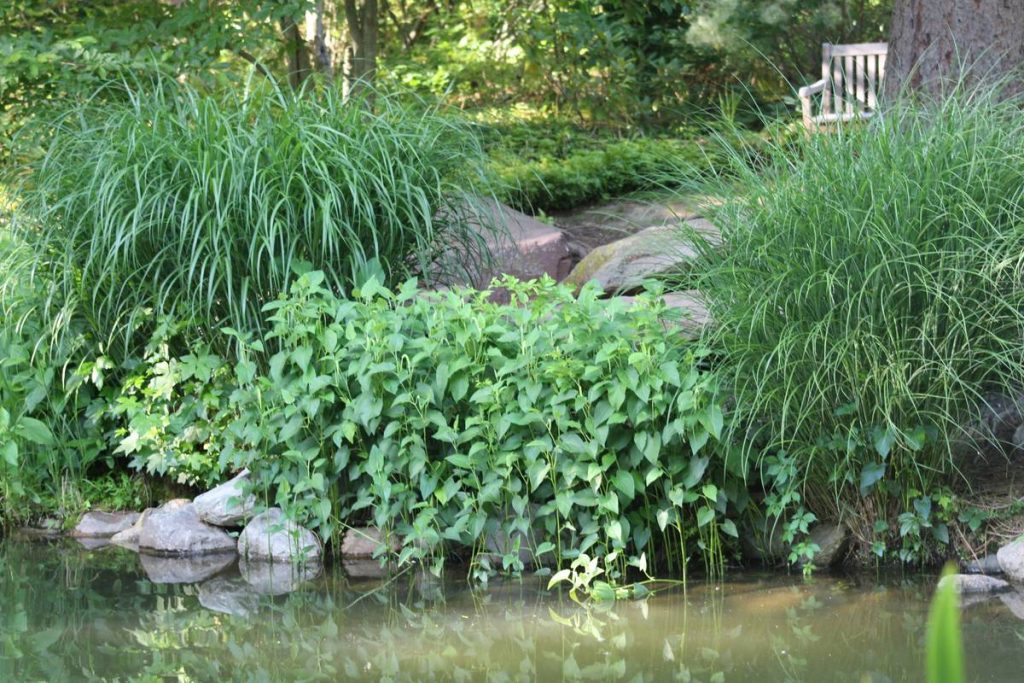
Every square foot of surface needs coverage: lilies for shade, submerged oxygenators like hornwort for filtration, and marginal plants (iris, cattails) to absorb excess nutrients before algae does. Skip the decorative gravel—it’s a phosphate bomb waiting to happen.
| Approach | Upfront Cost | Maintenance Level | Longevity |
|---|---|---|---|
| Preformed Plastic Liner | $200–$600 | High (cracks, limited depth) | 2–4 years |
| EPDM Rubber Liner + Custom Shape | $800–$2,500 | Low (flexible, durable) | 20+ years |
| Concrete/Gunite Build | $3,000–$10,000+ | Medium (sealing issues) | 15–25 years |
The Industry Secret: Let Microbes Do the Cleaning
Here’s what pond retailers won’t tell you: filters are secondary. The real cleanup crew lives in your biofilm—on rocks, roots, and liner surfaces. Instead of buying a $500 UV clarifier, invest in porous lava rock placed strategically near your pump inlet. This gives nitrifying bacteria real estate to colonize. Combine that with barley straw bundles (not extract—they’re useless) and you’ll cut algae visits by 70%. One landscaper I know in Vermont stopped installing filters entirely on ponds over 300 gallons—replaced them with floating wetland islands packed with pickerelweed. His clients now spend less time cleaning and more time actually enjoying their gardens. The math is simple: support biology, not gadgets.
Frequently Asked Questions
How much space do I need for a functional garden pond?
Even 6’x8’ works—if you go deep enough (24″+) and avoid overcrowding with fish. Smaller ponds demand stricter plant-to-water ratios.
Can I have a garden pond without pumps or electricity?
Yes—but only if you design for passive circulation: slope-driven flow, wind-exposed surface area, and heavy planting. No fish allowed. Think wildlife pond, not koi showpiece.
What’s the biggest mistake in garden pond landscaping ideas?
Prioritizing looks over function. Placing the pond in full sun, using non-porous liners, or skipping marginal planting shelves guarantees constant maintenance headaches.