You spent weeks dreaming of a backyard oasis—only to end up with a muddy hole that attracts mosquitoes, not admiration. Sound familiar? Most large pond landscaping ideas fail because they prioritize aesthetics over ecology. The fix? Balance beauty with biology from day one.
Why Most Large Pond Landscaping Ideas Collapse Within 18 Months
Homeowners pour money into ornamental stones, exotic plants, and dramatic waterfalls—then watch it all turn green, smelly, and stagnant. Why? They treat ponds like decorative pools, not living ecosystems. And that’s a fatal mistake.
A pond isn’t a static feature. It’s a dynamic micro-habitat governed by nutrient cycles, oxygen levels, and root competition. Ignore that—and no amount of “design flair” will save you.
large pond landscaping ideas: A Practical, Ecosystem-First Blueprint
Forget cookie-cutter Pinterest boards. Real success starts with function, then layers in form. Here’s how to build a pond that thrives—not just survives.
Select the Right Depth Profile
Shallow = algae city. Go too deep without structure, and you lose visual interest. The sweet spot? At least 24 inches at the deepest point—with shelves at 6″, 12″, and 18″ for marginal plants. This creates zones for filtration, habitat, and drama.
Choose Plants Strategically—Not Just Pretty
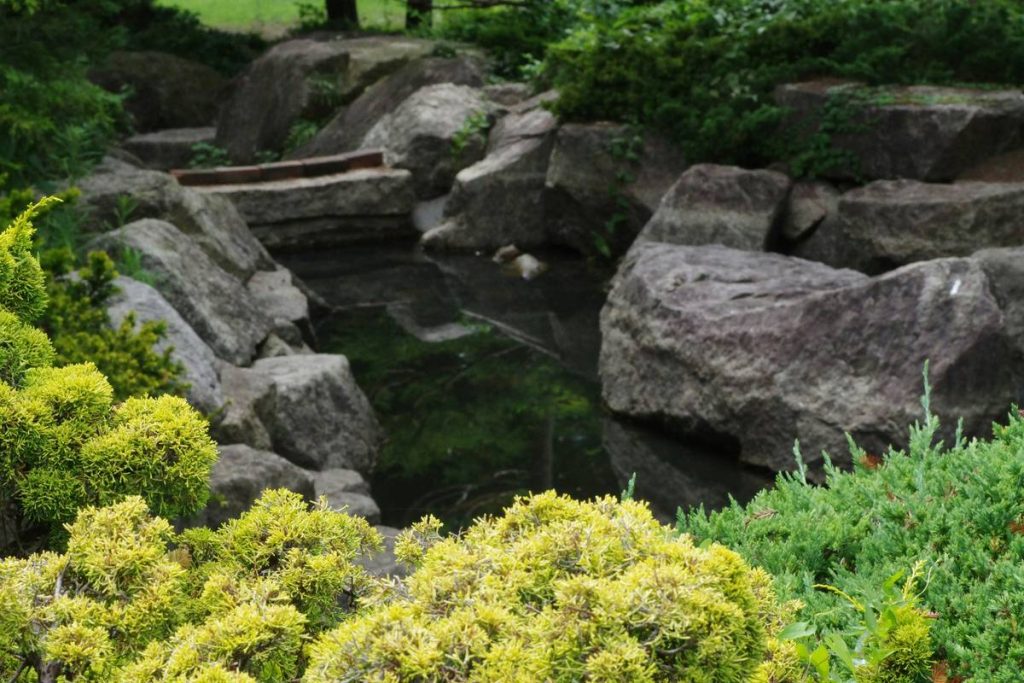
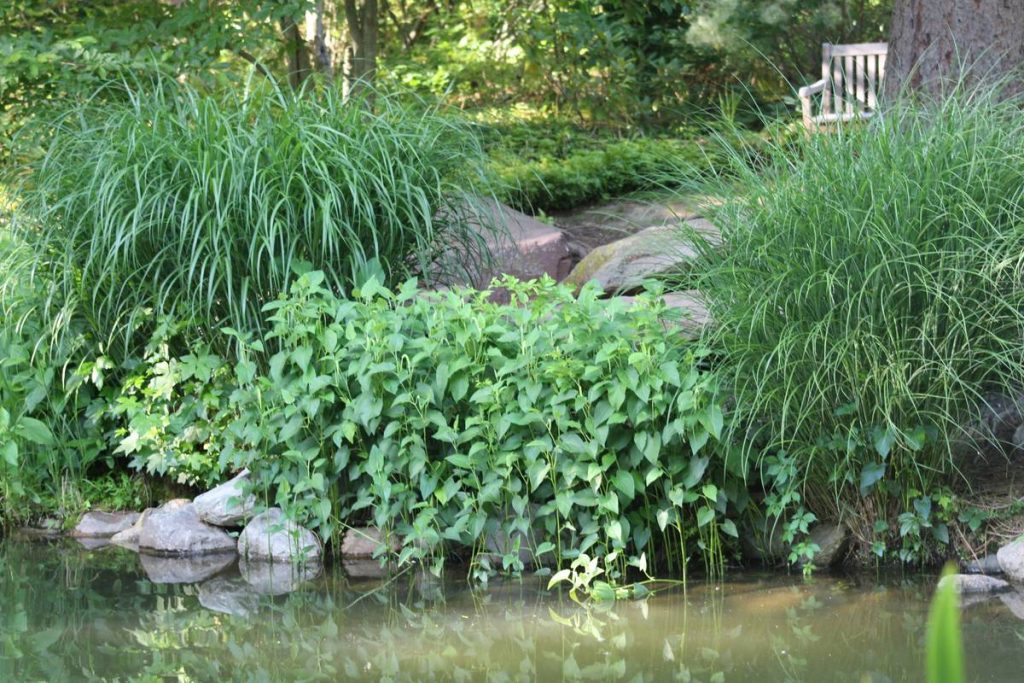
Not all greenery cleans water. Skip ornamental grasses that shed debris. Instead, layer in true filtration powerhouses: iris versicolor, pickerel weed, and submerged oxygenators like hornwort. They pull nitrates out—not just look nice.
Hide Infrastructure With Purposeful Design
Skimmers, pumps, liners—they’re necessary eyesores. Camouflage them using boulders, driftwood, or cascading plants like creeping jenny. But never block airflow or access. Form follows function—even in garden ponds.
Budget vs. Impact: Where to Spend (and Where Not To)
| Feature | Low-Cost Approach | Premium Approach | Functional Impact |
|---|---|---|---|
| Liner | 45-mil EPDM rubber | Reinforced PVC (72-mil) | High—prevents leaks and root punctures |
| Filtration | Gravity-fed bog filter with native plants | Pressurized bio-filter + UV clarifier | Critical—determines long-term clarity |
| Edging | Local fieldstone | Custom-cut bluestone coping | Medium—mostly aesthetic, but affects runoff |
| Aeration | Solar-powered fountain | Subsurface diffuser system | High—oxygen = life in warm months |
The Industry Secret: Borrow From Wastewater Treatment—Not Just Landscape Magazines
Here’s what most contractors won’t tell you: the most resilient garden ponds mimic municipal wetland treatment systems. They use layered gravel beds, anaerobic bacteria colonies, and plant-root biofilms not for looks—but because they process waste.
One client in Minnesota cut their maintenance time by 70% after we replaced their “pretty lilies” with a dense fringe of arrowhead and cattails along the inlet zone. The result? Crystal-clear water—and zero algaecide. Beauty emerged from function, not the other way around.
Think about it: nature doesn’t “landscape.” It engineers. Your pond should too.
FAQ
How deep should a large garden pond be?
At least 24 inches to support fish and prevent overheating. Shallower zones (6–18″) are essential for plant shelves and wildlife access.
Can I landscape around a pond without killing the ecosystem?
Yes—if you avoid fertilizers, choose non-invasive natives, and direct runoff away. Use porous materials like gravel instead of mulch near edges.
Do large pond landscaping ideas require professional installation?
Not necessarily. DIY works if you nail the liner layout, slope grading, and biological filtration. Mistakes here cost far more than labor.