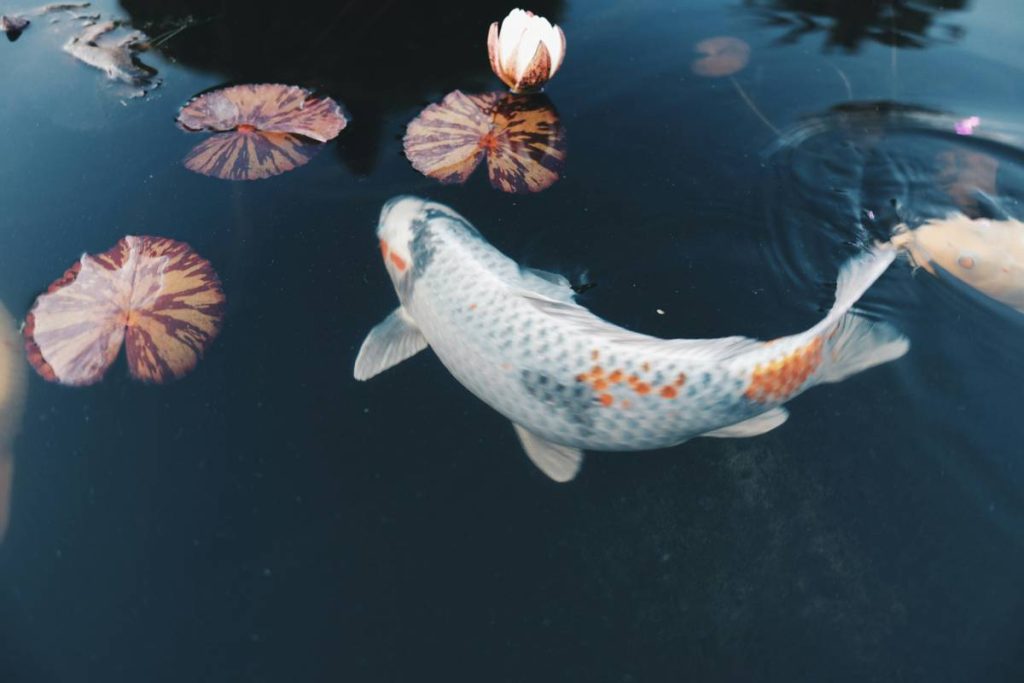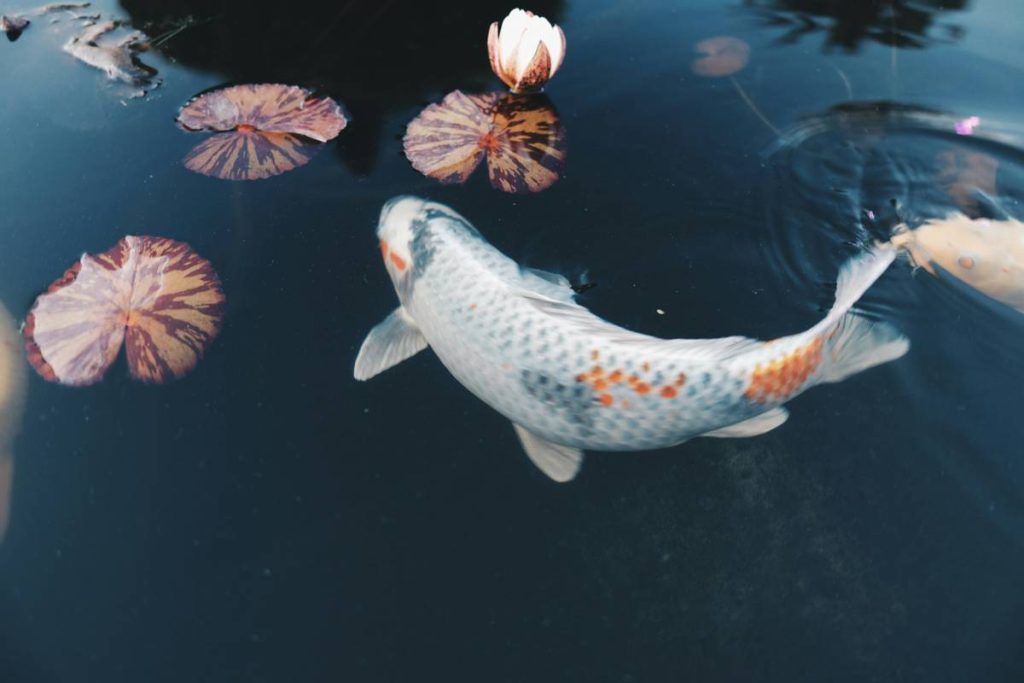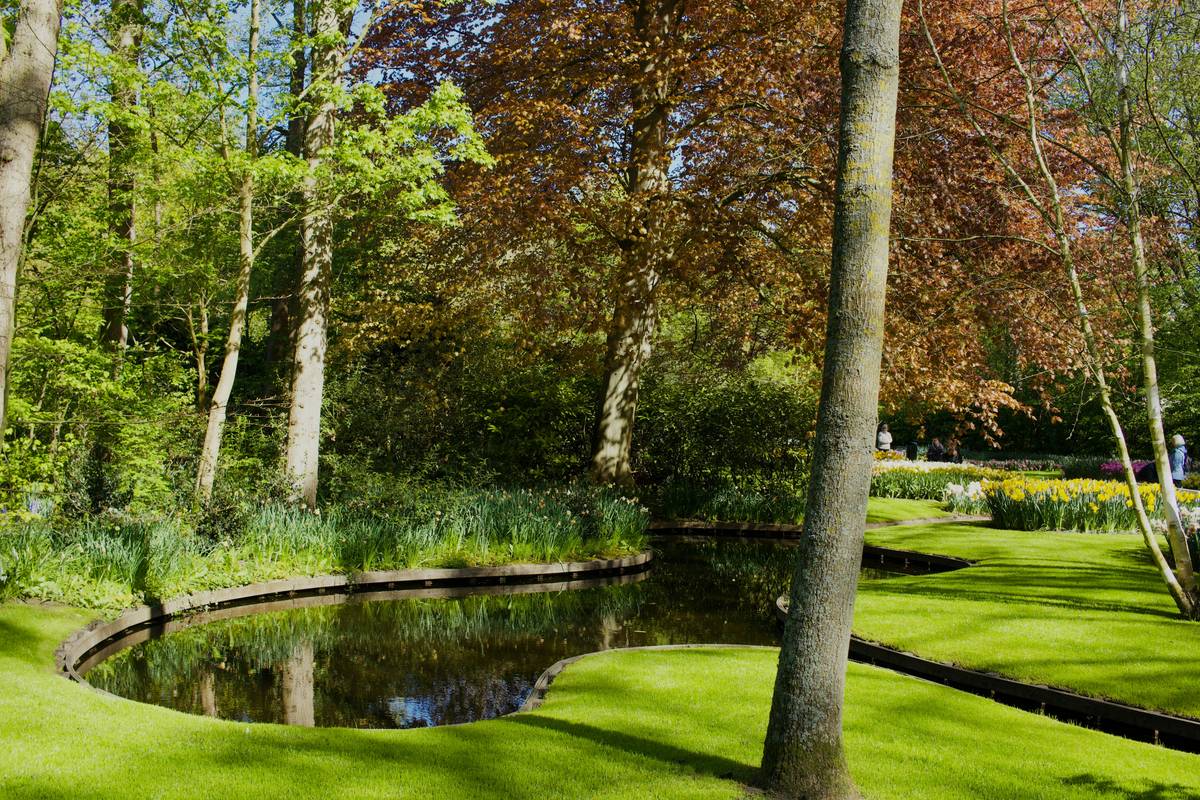
You want a tranquil garden oasis—but your yard’s the size of a postage stamp. Everyone says “just add a pond,” yet most DIY attempts end up as slimy eyesores or dead goldfish memorials. Here’s the fix: thoughtful, scalable small pond garden ideas that thrive in tight spaces without turning into maintenance nightmares.
Why Most Backyard Ponds Fail (Especially Small Ones)
Most people treat small ponds like miniature versions of large ones. Big mistake. Surface-to-volume ratios work against you—in tiny water bodies, temperature swings wildly, nutrients concentrate fast, and algae blooms overnight.
And cheap preformed liners? They crack. Or look fake. Or both. You’re not building a swimming pool—you’re crafting a living micro-ecosystem. Ignore that, and you’ll drain it by July.
Small Pond Garden Ideas: A Realistic Step-by-Step Blueprint
Forget Pinterest fantasy shots. This is what works on real budgets, in real yards, with real time constraints.
Pick the Right Location—Not Just the Prettiest Spot
Sunlight matters—but so does leaf drop. Place your pond where it gets 4–6 hours of sun (ideal for plants, not algae), but away from deciduous trees. One oak overhead = autumn clogging. Also, avoid low spots where runoff carries lawn chemicals.
Choose Your Liner Type Wisely
Preformed plastic shells look neat out of the box—but they limit depth, shape, and long-term flexibility. Flexible EPDM rubber? More expensive upfront, but lasts 20+ years and mimics natural contours. For true small-space efficiency, consider repurposing a half whiskey barrel or galvanized stock tank—if properly sealed.
Plant Smart, Not Just Pretty
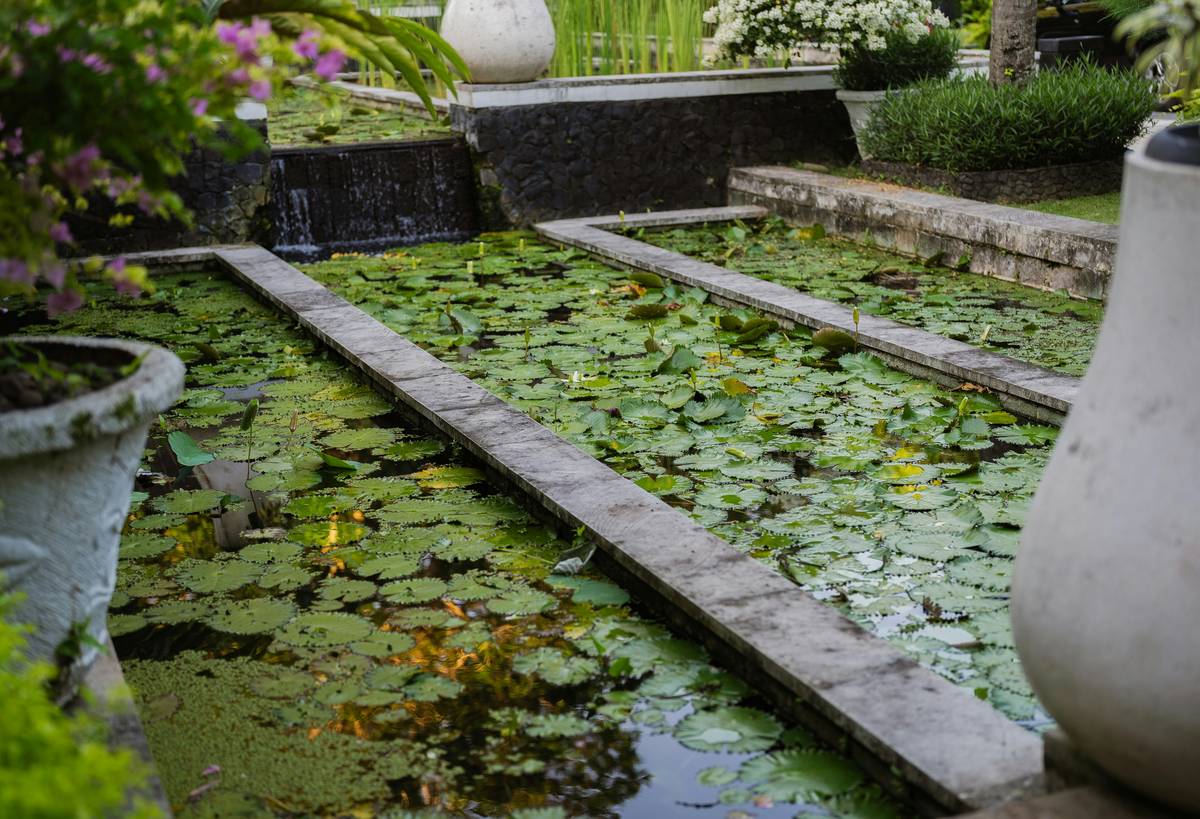
Don’t just toss in water lilies because they’re photogenic. Balance is key: include oxygenators (like hornwort), floaters (water lettuce), and marginal plants (iris or rushes). A good rule? Cover 60–70% of the surface with vegetation. Less algae, more clarity.
The Filtration Lie—and What to Do Instead
For ponds under 150 gallons, mechanical filters often do more harm than good—they disturb beneficial bacteria and create dead zones. Prioritize biological balance first. Add submerged plants, maybe a small solar-powered fountain for gentle circulation—not a roaring waterfall that evaporates your water in days.
| Method | Upfront Cost | Maintenance Level | Best For |
|---|---|---|---|
| Repurposed Container (e.g., stock tank) | $50–$150 | Low | Patios, balconies, renters |
| Flexible EPDM Liner | $200–$500 | Moderate | Permanent gardens, custom shapes |
| Preformed Plastic Shell | $100–$300 | High (long-term) | Quick installs, temporary setups |
The Industry Secret: Borrow From Nature’s Edge Principle
Here’s what landscapers won’t tell you: the magic isn’t in the water—it’s in the transition. A pond that ends abruptly at smooth concrete looks artificial. But blend it into the landscape using the “ecotone” effect—the natural buffer zone between water and land.
Use irregular stones partially submerged, let grasses spill over the edge, or install shallow shelves where frogs can climb out. This isn’t just aesthetic; it boosts biodiversity, stabilizes banks, and reduces evaporation. One client in Austin used reclaimed fieldstone and native sedges—her 4’x6’ pond now hosts damselflies and tree frogs. All because she treated the rim like habitat, not decoration.
FAQ: Quick Answers to Real Questions
Can I have fish in a small pond?
Yes—but choose wisely. Skip koi (they need depth and volume). Try white cloud mountain minnows or mosquito fish. Keep stocking light: one small fish per 10 gallons max.
How deep should a small garden pond be?
At least 18 inches if you want plants and occasional fish. Shallower ponds heat too fast and freeze solid in winter—killing everything.
Do small ponds attract mosquitoes?
Only if the water’s stagnant. Add movement (even a tiny solar bubbler) or include mosquito-eating critters like guppies or dragonfly larvae—and you turn the pond into a solution, not a problem.