Ever stared at your backyard and pictured a serene, lily-padded pond reflecting the sky—but then imagined leaks, algae explosions, or digging up half your lawn only to regret it? You’re not alone. Building a pond in your garden blends artistry with engineering, and one wrong move can turn your peaceful oasis into a muddy headache. In this guide, we’ll walk you through everything you need to know—based on hard-won lessons (yes, I once buried a liner over sharp rocks… and paid for it). From planning to planting, you’ll learn how to build a stunning, sustainable water feature that adds value, beauty, and biodiversity to your outdoor space.
Table of Contents
- Why Building a Pond in Your Garden Matters for Home Improvement
- Step-by-Step Guide to Creating Your Backyard Pond
- Best Practices for Long-Term Pond Success
- Real-World Examples & Results
- Frequently Asked Questions
Key Takeaways
- Size and location dramatically impact maintenance and ecosystem health.
- Always use an underlayment beneath your liner to prevent punctures.
- A depth of at least 24 inches helps fish survive winter in colder zones.
- Native aquatic plants reduce algae and support local wildlife.
- Proper filtration isn’t optional—it’s essential for clarity and balance.
Why Building a Pond in Your Garden Matters for Home Improvement
In the realm of home improvement, few upgrades blend aesthetics, ecology, and property value like building a pond in your garden. Beyond visual appeal, a well-designed pond attracts pollinators, supports amphibians, and can even lower ambient temperatures during summer. According to the U.S. Environmental Protection Agency, incorporating native water features into landscaping can reduce stormwater runoff by up to 30%—a win for both your yard and local watersheds (EPA Soak Up the Storm).
But here’s the truth no one tells you: ponds aren’t “install and forget.” I learned this the hard way. My first attempt skipped the underlayment, assuming my clay soil was “soft enough.” Three weeks in, a hidden root sliced through the liner. Water vanished overnight. Moral? Preparation beats patching every time.
Step-by-Step Guide to Creating Your Backyard Pond
1. Plan Location and Size
Avoid placing your pond under large trees (leaf litter = algae fuel) or near downspouts (runoff disrupts pH). Aim for 6+ hours of sunlight daily if you want flowering plants like water lilies. Minimum recommended size: 6 ft x 8 ft—smaller ponds heat up too quickly and destabilize ecosystems.
2. Dig and Shape the Hole
Create shelves (ledges about 12 inches deep) around the perimeter for marginal plants. The deepest zone should be at least 24 inches—critical if you plan to keep fish in USDA Zones 5 or colder. Keep walls sloped inward slightly to prevent collapse.
3. Install Underlayment and Liner
Lay geotextile fabric (never old carpet!) over all surfaces. Then unroll a flexible EPDM liner, allowing 12+ inches of excess around the edges. Smooth wrinkles as you fill—water weight will settle it naturally.
4. Add Filtration and Circulation
Choose a submersible pump rated for your pond’s volume. Pair it with a biological filter (which houses beneficial bacteria) and consider adding a UV clarifier to zap green water. Run the system 24/7—stagnant water breeds mosquitoes and muck.
5. Plant Strategically
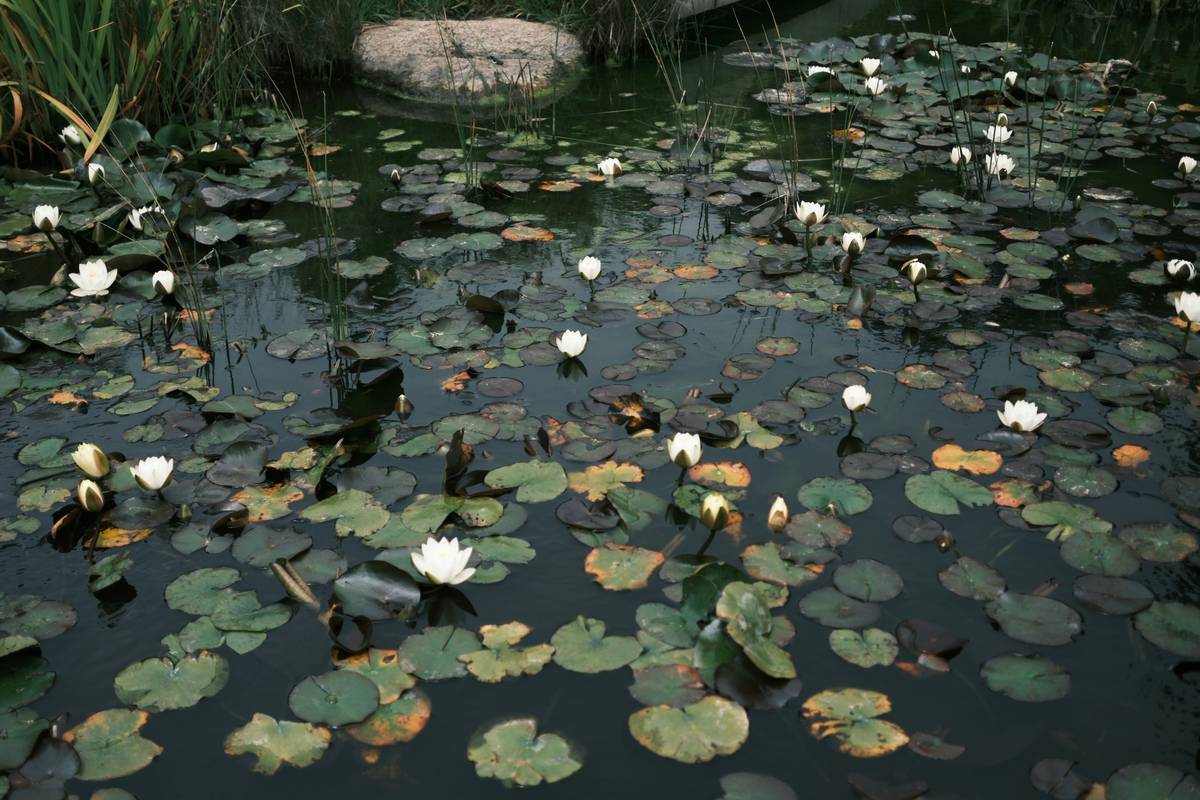
Use a mix: oxygenators (like hornwort), floaters (water lettuce), marginals (iris, cattails), and deep-water plants (lotus, lilies). These work together to absorb nutrients, leaving less for algae.
Best Practices for Long-Term Pond Success
- Never skip the underlayment. It costs little but prevents $200+ liner replacements.
- Test water weekly for pH, ammonia, and nitrites during the first two months.
- Avoid overstocking fish. Rule of thumb: 1 inch of fish per 10 gallons of water.
- Clean filters gently in pond water (not tap)—chlorine kills good bacteria.
- Winterize properly: Remove pumps in freezing zones; install a de-icer or air stone to maintain gas exchange.
And here’s a terrible tip to avoid: “Just add bleach to kill algae.” Absolutely not. It wipes out your entire microbial ecosystem and stresses—or kills—fish and plants. Algae control starts with balance, not chemicals.
Real-World Examples & Results
A homeowner in central Florida installed a 120-square-foot pond using this method. After six months, they reported zero algae blooms, thriving mosquito fish, and visits from migratory herons. Their secret? Heavy planting (60% surface coverage) and a small fountain for aeration. Meanwhile, a University of Florida IFAS Extension study found that ponds with diverse native vegetation required 40% less maintenance than those dominated by ornamental exotics (UF/IFAS Aquatic Plant Management).
At Lakeland’s own properties, we’ve seen buyers prioritize homes with established water features—especially when integrated thoughtfully with patios and lighting. Learn more about our approach on our About Us page.
Frequently Asked Questions
How much does building a pond in your garden cost?
DIY projects range from $300 (small preformed kits) to $2,500+ (custom lined ponds with pumps, rockwork, and lighting). Professional installations can exceed $10,000.
Can I build a pond without a liner?
Only if you have thick, non-porous clay soil—and even then, it’s risky. Most soils leak. Flexible liners (EPDM or PVC) are reliable, affordable, and last 20+ years.
Do garden ponds attract mosquitoes?
Not if the water circulates. Stagnant water is the culprit. Add a bubbler, fountain, or mosquito-eating fish like gambusia.
How long until my pond looks “finished”?
Allow 4–8 weeks for ecological balance. Initial cloudiness is normal as beneficial bacteria colonize. Resist the urge to “fix” it prematurely.
Are there legal restrictions on building a pond in your garden?
Some municipalities limit depth (e.g., over 18 inches may require fencing). Always check local codes before digging.
Where can I get personalized advice for my property?
We’d love to help! Reach out via our Contact Us page. And rest assured—we respect your data, as outlined in our Privacy Policy.
Building a pond in your garden isn’t just landscaping—it’s legacy-making. A ripple today becomes a refuge for dragonflies tomorrow. So measure twice, dig once… and let stillness grow where grass used to be.