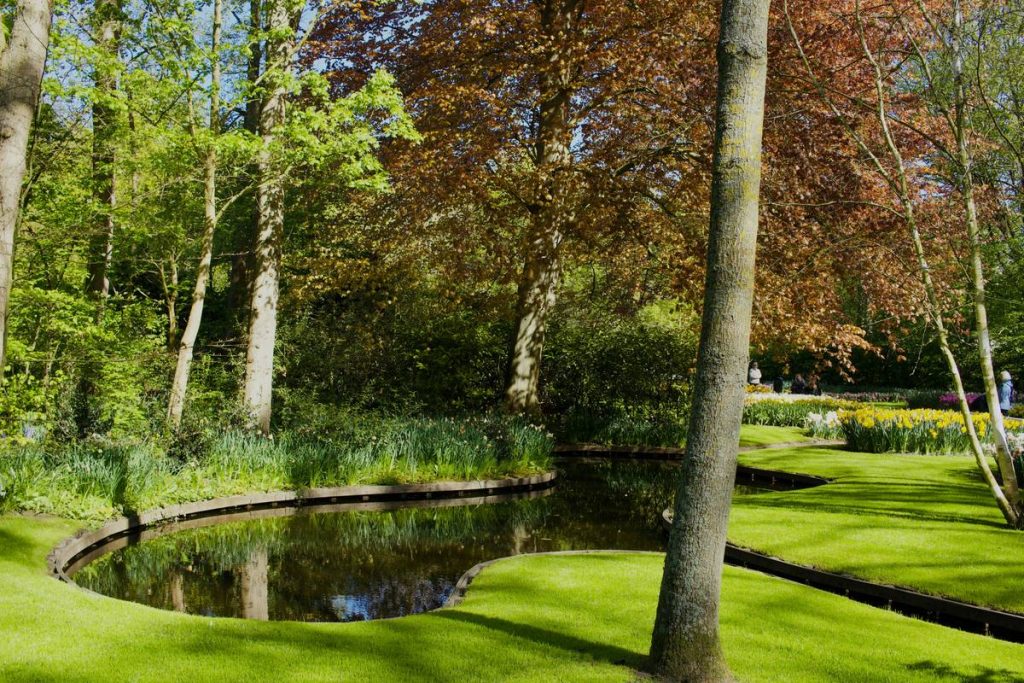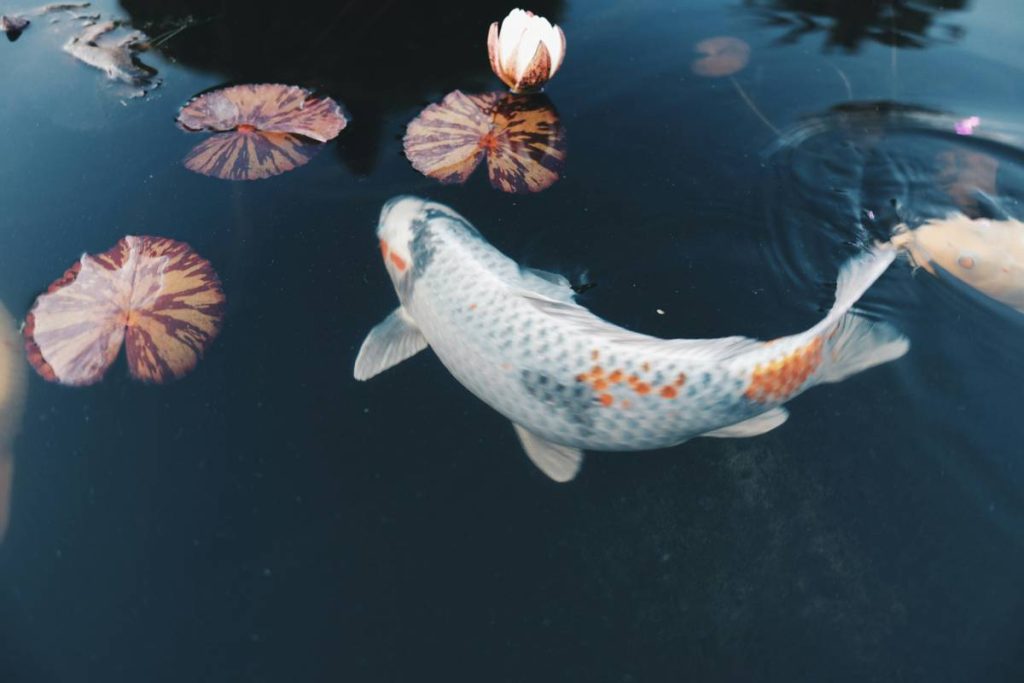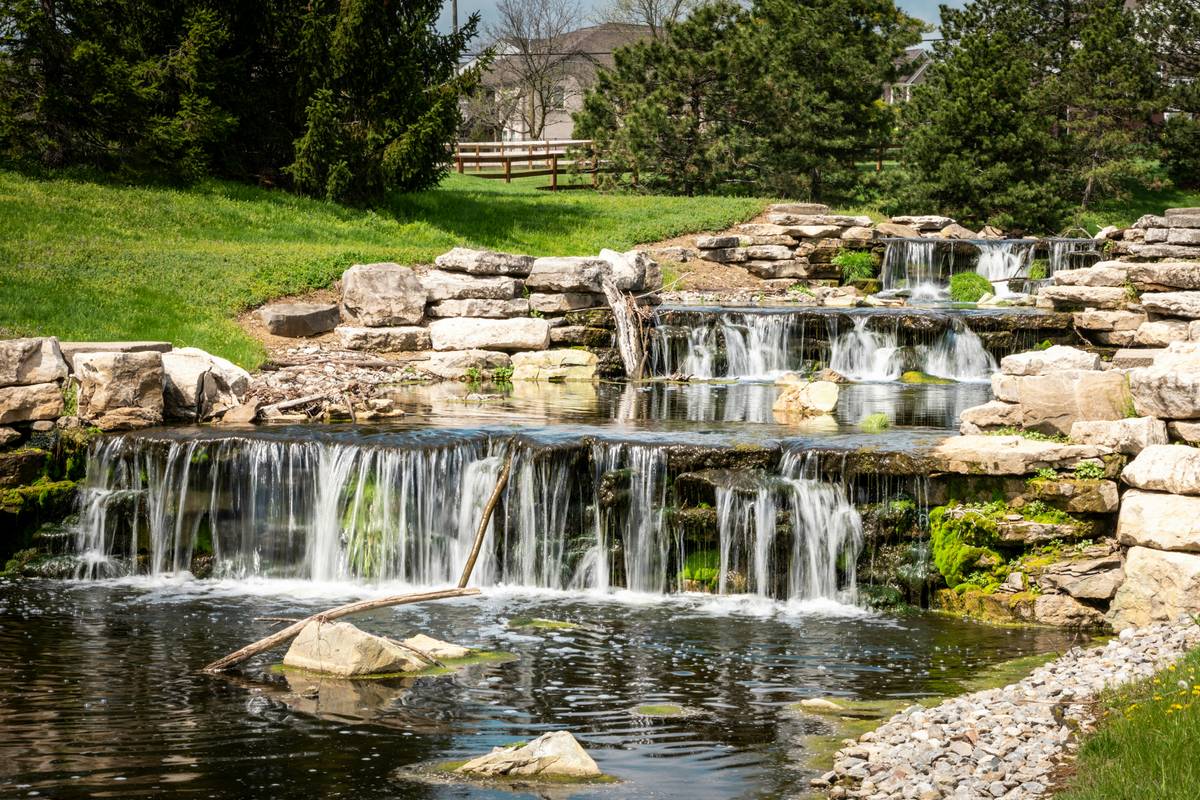
Ever stared at your backyard and imagined the gentle gurgle of water, lily pads floating serenely, and koi darting beneath the surface—only to be halted by visions of collapsed liners, murky algae, or budget blowouts? You’re not alone. Building a garden pond ranks among the most rewarding—and trickiest—projects in home improvement. Done right, it boosts curb appeal, supports local wildlife, and becomes a personal sanctuary. Done wrong? It’s a muddy pit that attracts mosquitoes and drains your wallet. In this guide, we’ll walk you through the real-world steps, insider pitfalls, and expert-backed strategies to create a stunning, low-maintenance pond that lasts for years.
Table of Contents
- Why Garden Ponds Are Worth the Effort
- Your Step-by-Step Guide to Building a Garden Pond
- Top Best Practices for Long-Term Success
- Real Results: Case Studies That Worked
- Frequently Asked Questions
Key Takeaways
- Proper depth (at least 24 inches) prevents freezing and predator access.
- Use EPDM rubber liner—not PVC—for durability and eco-safety.
- Always include both mechanical and biological filtration.
- Locate your pond away from overhanging trees to reduce debris.
- Test water weekly during the first season to balance pH and nutrients.
Why Garden Ponds Are Worth the Effort
Garden ponds aren’t just decorative—they’re functional ecosystems that elevate your outdoor space from “nice lawn” to “destination retreat.” According to the U.S. Fish and Wildlife Service, even small backyard water features can support pollinators, amphibians, and beneficial insects, increasing local biodiversity by up to 40%. Moreover, studies show that proximity to water reduces stress levels—a compelling ROI for mental wellness.
But here’s where I messed up on my first attempt: I dug a shallow bowl near a maple tree, lined it with cheap plastic sheeting, and called it a day. By summer’s end, leaves had choked the water, the liner cracked, and what began as a Zen project became a mosquito breeding ground. Don’t be like me.
Your Step-by-Step Guide to Building a Garden Pond
1. Plan Location and Size
Avoid placing your pond under trees or near downspouts. Full sun (6+ hours) is ideal for aquatic plants but increases algae risk—balance with partial shade if needed. For fish, aim for at least 24 inches deep; 36 inches is better in cold climates to prevent winter kill.
2. Excavate and Shape
Use stakes and string to outline your design. Dig the main basin, then carve a shallower shelf (6–12 inches deep) around the edge for marginal plants. Slope walls gently to prevent collapse.
3. Install Underlayment and Liner
Lay geotextile fabric to protect against roots and sharp stones. Then unroll a 45-mil EPDM rubber liner—it’s flexible, UV-resistant, and safe for wildlife. Smooth out wrinkles as you fill with water; never stretch it tight.
4. Add Filtration and Pump
A submersible pump paired with a biofilter keeps water clear. Size your pump to circulate the entire volume every 1–2 hours. For a 500-gallon pond, that’s roughly a 250–500 GPH pump.
5. Edge and Landscape
Secure liner edges with stones or coping tiles. Plant native species like pickerel weed or dwarf cattails on the shelf. Avoid invasive varieties—check your state’s noxious weed list via USDA NRCS.
Top Best Practices for Long-Term Success
- Never skip the underlayment. Roots and rocks pierce liners faster than you think.
- Add plants before fish. They oxygenate water and absorb excess nutrients that feed algae.
- Use barley straw bales (not pellets)—they naturally suppress algae without harming fish (University of Minnesota Extension confirms efficacy).
- Clean filters monthly, but never with tap water—it kills beneficial bacteria. Use pond water instead.
And here’s a terrible tip you’ll still see online: “Just use an old bathtub!” Sure, it holds water—but it offers zero habitat value, overheats quickly, and lacks plant shelves. Skip the shortcut.
My biggest pet peeve? People treating ponds like swimming pools—dumping chlorine or algaecides willy-nilly. A healthy pond is a living system, not a sterile container. Respect the biology, and it’ll reward you.
Real Results: Case Studies That Worked
In central Florida, a homeowner built a 12’x8’ pond using the steps above, incorporating lava rock biofiltration and hardy water lilies. After six months, dragonflies colonized the area, and local frogs returned—confirmed by night recordings from a backyard wildlife cam. Water clarity remained high with only biweekly skimming and monthly filter rinses.
Similarly, a Wisconsin gardener constructed a 36-inch-deep pond with a de-icer for winter. Despite -20°F temps, all three koi survived because the depth prevented complete freeze-through—a critical detail often overlooked. These cases prove that thoughtful design beats brute force every time.
Frequently Asked Questions
How much does building a garden pond cost?
Basic DIY ponds start around $300–$600 for liner, pump, and plants. Professional installations range from $2,000 to $10,000 depending on size and features.
Can I build a pond without electricity?
Yes, but it limits options. Solar pumps exist but lack power for filtration. Natural ponds rely solely on plants and gravity flow—but require more space and careful balance.
Do garden ponds attract mosquitoes?
Only if water is stagnant. Running water from a pump or fountain, plus mosquito-eating fish like gambusia, eliminates breeding grounds.
How long does it take to build a garden pond?
Most DIYers complete excavation and installation in 2–3 weekends. Full ecosystem maturity (clear water, balanced flora/fauna) takes 6–12 months.
Is building a garden pond legal everywhere?
Check local zoning laws. Some HOAs restrict water features, and states like California regulate pond depth near property lines. Always verify before digging.
What’s the best time of year to start building a garden pond?
Spring or early fall—mild temperatures ease planting and reduce evaporation stress during setup.
Done well, building a garden pond transforms your yard into a living tapestry of sound, movement, and calm. Whether you’re a weekend warrior or a seasoned green thumb, the key is patience, planning, and learning from others’ stumbles (including mine). Ready to bring water wisdom to your slice of earth? We’d love to hear about your vision—contact us anytime. And if you’re curious about our ethos, peek at our About Us page. Your privacy matters too—we handle your details with care per our Privacy Policy.
Remember: Still water gathers scum. Flowing water gathers life.