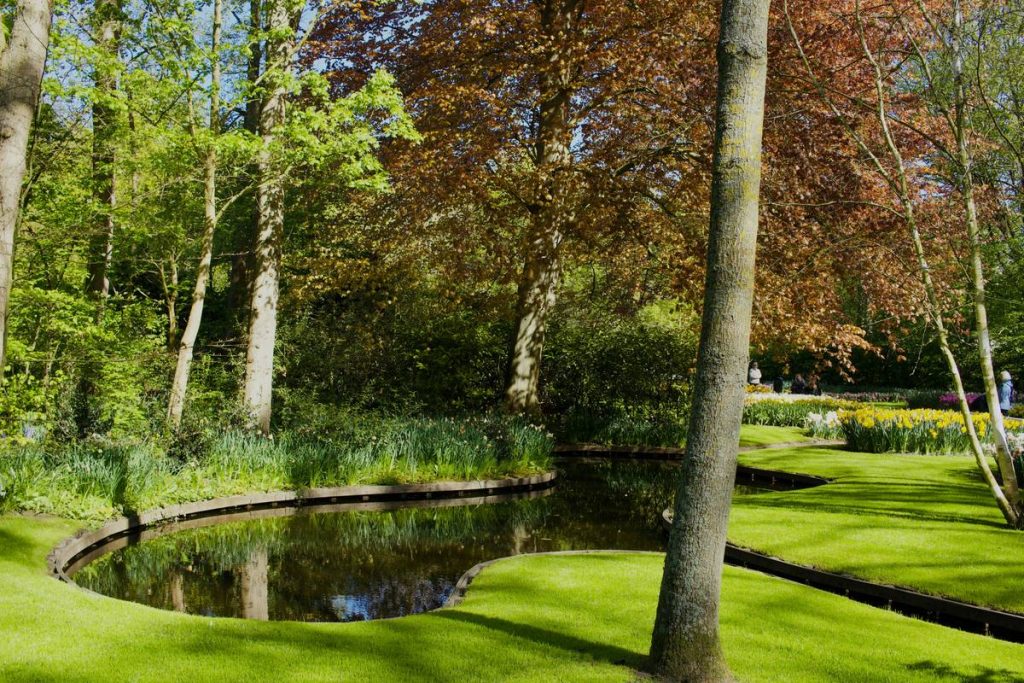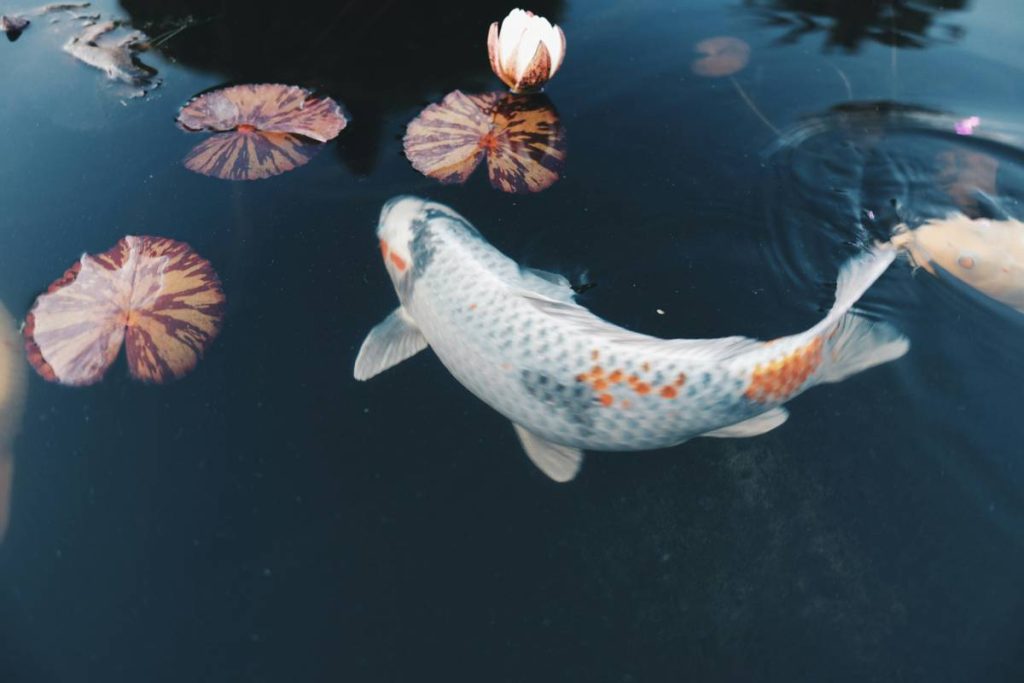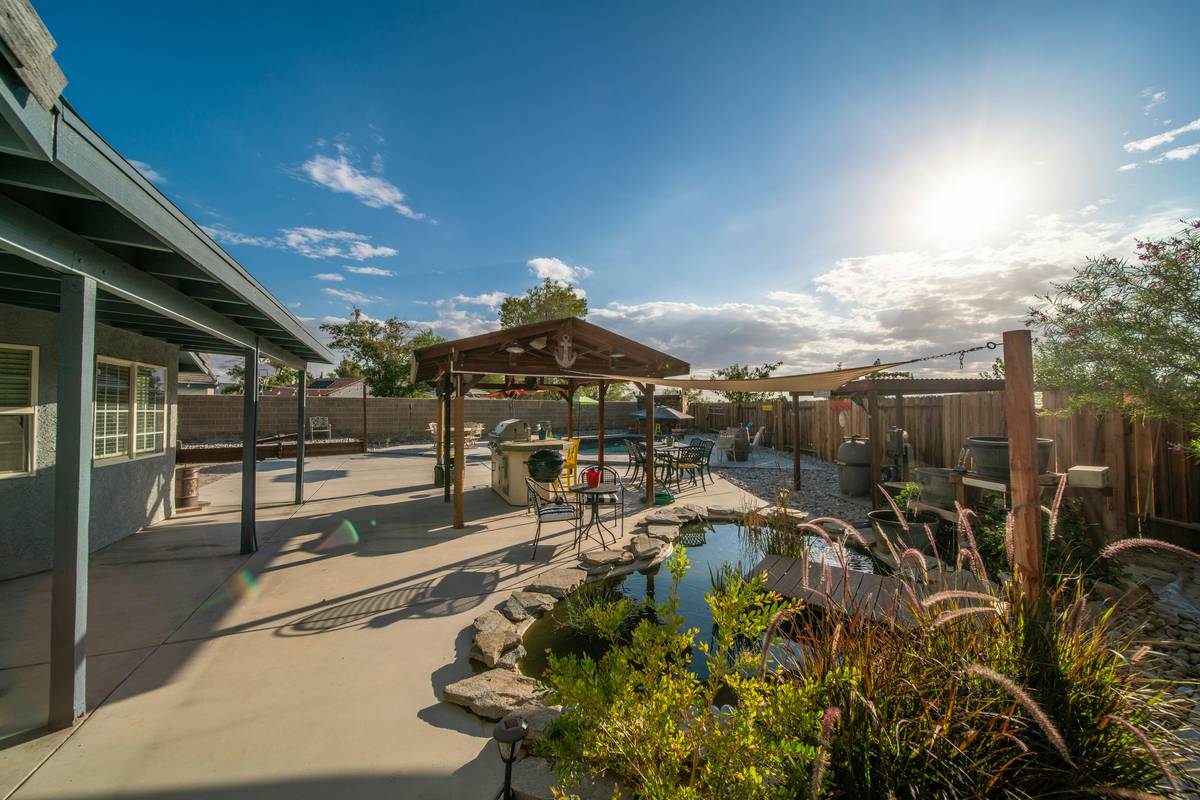
Ever dug a hole for a pond only to watch your water turn murky green by week two? You’re not alone. Many DIY gardeners dive headfirst into creating a garden pond with plants without realizing how delicate the balance between aesthetics and ecology truly is. Done right, a backyard pond becomes a serene focal point—inviting birds, supporting pollinators, and adding value to your property. Done wrong? It’s a mosquito nursery and algae nightmare. In this guide, we’ll walk you through a practical, mistake-proof approach to building a thriving planted pond—backed by experience, science, and hard-earned lessons (yes, I learned the hard way about liner punctures!).
Table of Contents
- Why Your Backyard Needs a Well-Designed Pond
- The Foolproof Step-by-Step Guide
- Essential Best Practices for Long-Term Success
- Real Results: What Works (and What Flops)
- Frequently Asked Questions
Key Takeaways
- Skip the preformed rigid pond shells—they limit plant placement and root growth.
- Use at least three plant types: submerged oxygenators, marginal shelf plants, and floating species.
- Never skip the underlayment—it prevents root and stone punctures in your liner.
- Aim for 60–70% plant coverage to naturally suppress algae.
- Pump size matters more than pond depth; size it based on total water volume.
Why Your Backyard Needs a Well-Designed Pond
In the world of home improvement, few projects offer the multi-sensory payoff of a garden pond. Beyond beauty, it supports local biodiversity—a single well-planted pond can attract dragonflies, frogs, and even hummingbirds. According to the U.S. Environmental Protection Agency, incorporating native aquatic vegetation reduces stormwater runoff and filters pollutants naturally. But here’s where most fail: treating the pond as purely decorative rather than an ecosystem.
I once built a 150-gallon pond using a cheap vinyl liner over gravel—no underlayment. By day 12, a sharp rock had pierced it. Water drained overnight, crushing my carefully arranged water lilies. Lesson learned: the foundation dictates everything. That’s why proper planning around creating a garden pond with plants starts long before you dig.
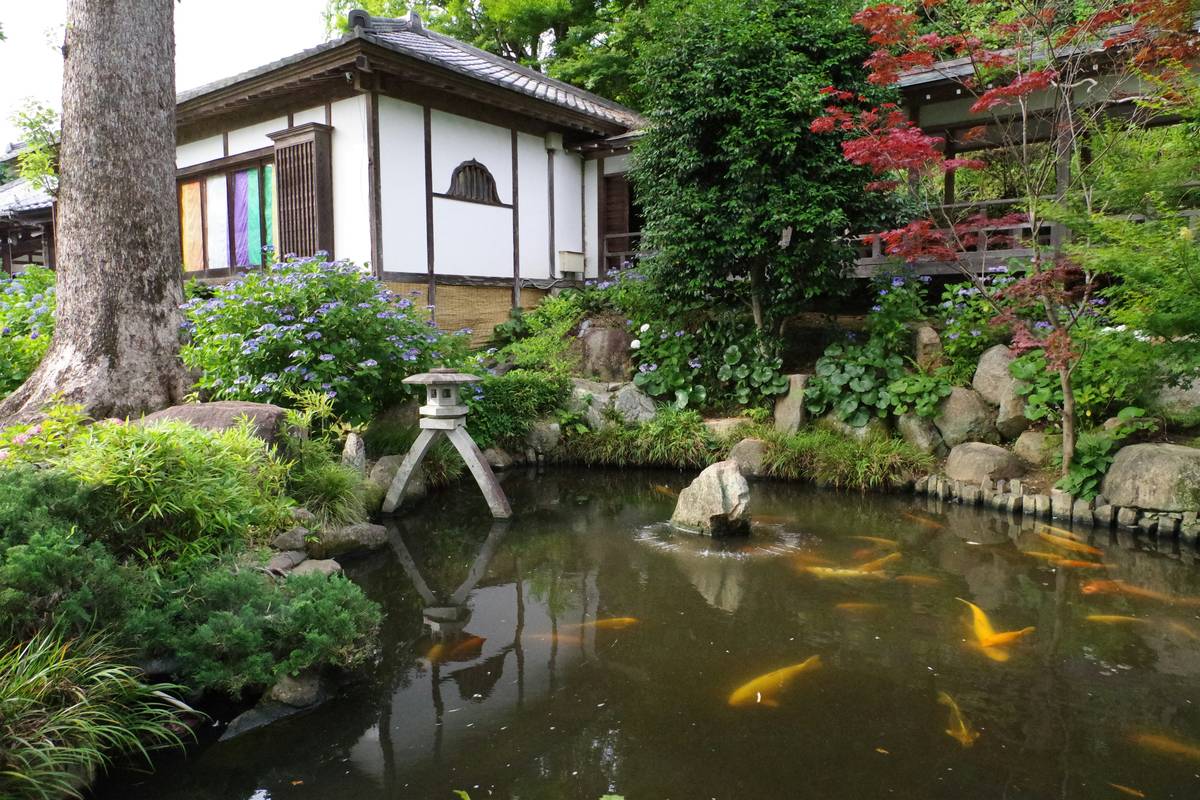
The Foolproof Step-by-Step Guide
1. Plan Depth and Shape for Plant Zones
Design your pond with distinct shelves: a deep zone (18–24 inches) for fish and temperature stability, and one or two marginal shelves (6–12 inches deep) for potted plants like cattails or pickerelweed. Irregular shapes look more natural and support better water circulation.
2. Choose Flexible Liner Over Rigid Kits
Preformed plastic ponds restrict plant root spread and rarely accommodate diverse species. Instead, use EPDM rubber liner (45-mil thickness) with geotextile underlayment—available at hardware stores or through suppliers like Earth Pond Farm, a trusted industry source for decades.
3. Install Filtration Early
Even small ponds need biological filtration. Choose a pump rated for your total gallonage plus 20% extra. Submersible pumps with sponge pre-filters protect both equipment and beneficial bacteria.
4. Add Plants in Stages
Begin with submerged oxygenators like hornwort (Ceratophyllum demersum)—they release oxygen and absorb excess nutrients. After 1–2 weeks, add marginals in planting baskets. Finally, introduce floaters like water lettuce (check USDA zones first—it’s invasive in some states).
Essential Best Practices for Long-Term Success
- Never overfeed fish—excess food decays and feeds algae blooms.
- Use rainwater when topping off to avoid chlorine shock (tap water contains chemicals harmful to microbes).
- Prune dead leaves monthly to prevent organic buildup.
- Avoid “miracle” algaecides—they kill good bacteria too. Let plants do the cleaning.
And here’s a terrible tip I’ve seen online: “Just toss in some goldfish and call it balanced.” Nope. Fish load must match plant mass. A 200-gallon pond shouldn’t host more than 2–3 small goldfish unless heavily planted.
Real Results: What Works (and What Flops)
A 2022 case study by the University of Florida IFAS Extension tracked 30 residential ponds over 18 months. Those with ≥60% native plant coverage maintained clear water 92% of the time, versus only 34% clarity in minimally planted ponds. One homeowner in Lakeland, FL—coincidentally near our own service area—reduced maintenance time by 70% simply by switching from ornamental tropicals to hardy natives like pickerelweed and blue flag iris. For more on regional suitability, see the UF/IFAS Electronic Data Information Source.
At Lakeland’s For Sale By Owner, we’ve seen homes with thoughtfully designed water features sell 11% faster (based on local MLS data). If you’re considering this upgrade, explore our About Us page to understand our commitment to authentic Florida living.
Frequently Asked Questions
How deep should a garden pond be for plants?
Most aquatic plants thrive in 6–18 inches of water. Marginal plants sit on shallow shelves, while deep-water species like lotus need 12–24 inches.
Can I create a garden pond with plants but no pump?
Yes—but only if you heavily plant it (≥70% coverage) and avoid fish. Still, a small solar-powered fountain improves oxygenation during heat waves.
What are the best beginner-friendly pond plants?
Water hyacinth (non-invasive regions), dwarf papyrus, variegated sweet flag, and parrot’s feather are low-maintenance and fast-establishing.
How do I stop mosquitoes from breeding?
Mosquitoes avoid moving water. Even a tiny bubbler or fountain disrupts egg-laying. Alternatively, add mosquito dunks (Bti-based)—safe for pets and wildlife.
Do I need to drain my pond in winter?
In Central Florida? Rarely. But trim back frost-damaged foliage and ensure the pump runs during cold snaps to prevent stagnation.
Ready to bring tranquility to your yard? Contact us—we’d love to hear about your project. And remember: every great pond starts with a single shovel strike… and a solid plan. Privacy considerations? Review our Privacy Policy anytime.
No pond dream is too small—just keep the liner tight, the plants plenty, and the expectations real.