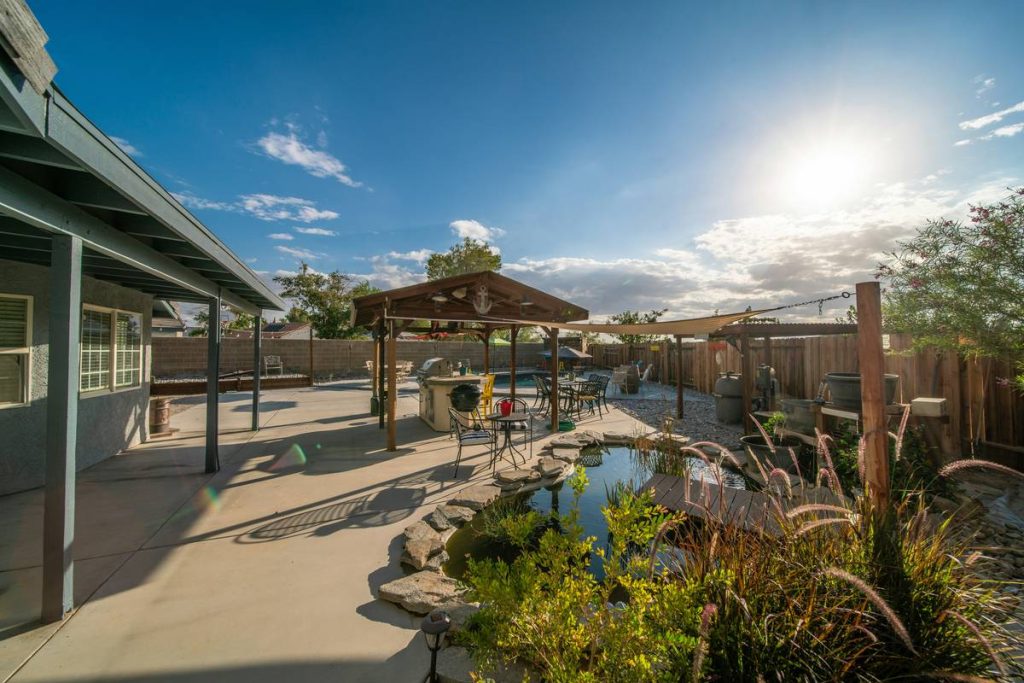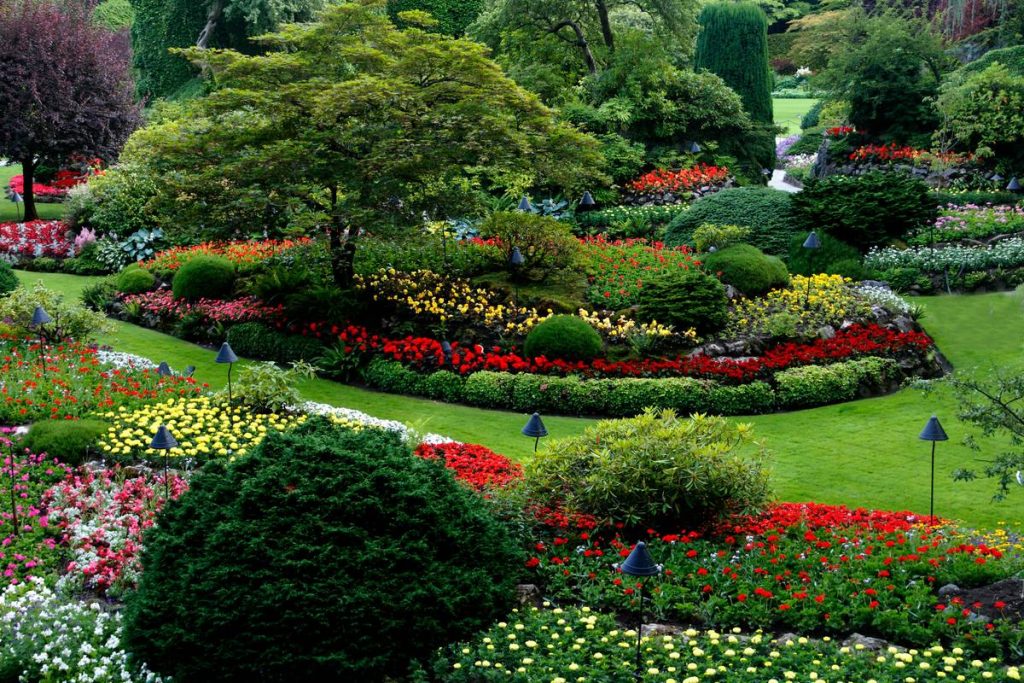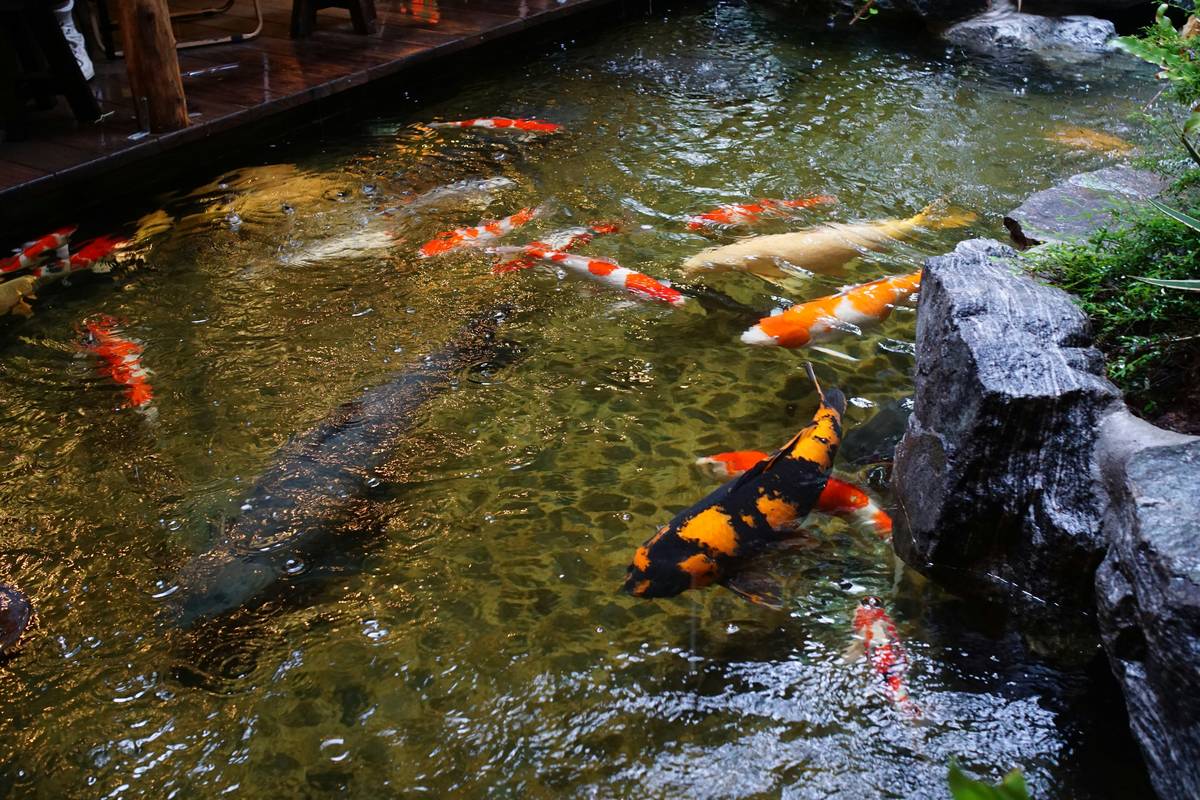
Ever spent hours dreaming of a serene backyard oasis—only to end up with a murky, algae-choked eyesore? You’re not alone. I once dug a pond in my own yard without checking soil drainage, and after the first heavy rain, it turned into a muddy swamp that smelled like regret. That painful lesson taught me that garden design ideas with pond require more than just aesthetics—they demand planning, ecology, and respect for nature’s rhythms. In this guide, we’ll explore practical, expert-backed strategies to create a stunning, sustainable water feature that boosts curb appeal and wildlife habitat alike.
Table of Contents
- Why Ponds Transform Outdoor Spaces
- Step-by-Step Pond Integration
- Best Practices for Low-Maintenance Beauty
- Real-World Inspiration
- Frequently Asked Questions
Key Takeaways
- Size and depth matter: shallow ponds (<24”) invite algae; deeper ones (36”+) support fish and balance ecosystems.
- Location affects everything: avoid overhanging trees and low spots prone to runoff.
- Natural filtration (plants, gravel) beats chemical fixes for long-term clarity.
- Always check local regulations—some municipalities restrict pond depth or require fencing.
- Your garden design ideas with pond should prioritize function as much as form.
Why Ponds Transform Outdoor Spaces
Garden ponds aren’t just decorative—they’re ecological powerhouses. According to the U.S. Fish & Wildlife Service, even small backyard water features can support pollinators, frogs, dragonflies, and native birds. Yet too often, homeowners treat them as afterthoughts, leading to maintenance nightmares. The truth? A well-executed pond elevates your entire outdoor design, adding movement, sound, and visual depth that static plantings can’t match.
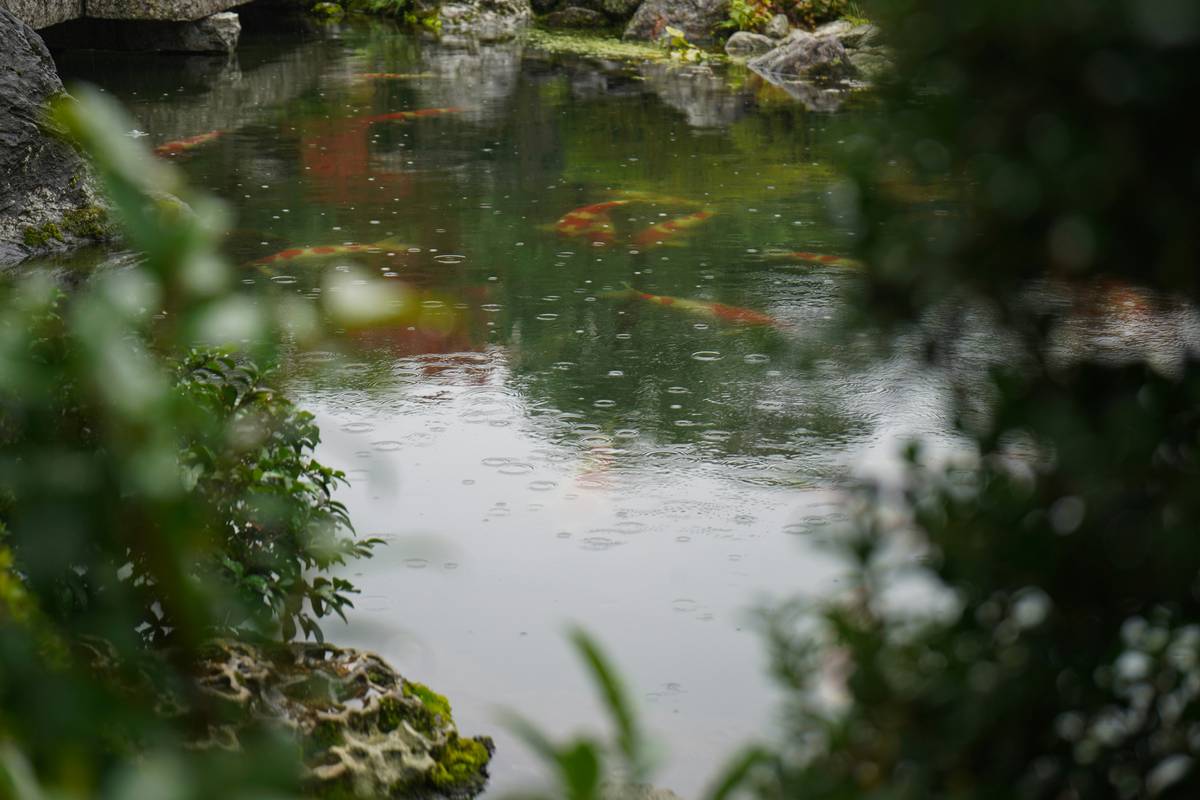
Step-by-Step Pond Integration
1. Assess Your Site
Test soil percolation: dig a 12” hole, fill with water, and time drainage. If it takes >24 hours, consider a liner. Avoid areas under trees (leaf litter = sludge) or near septic systems. Sunlight? Aim for 4–6 hours daily—enough for plants, not so much that algae explode.
2. Choose Shape and Size
Irregular shapes mimic nature and hide edges better than geometric ones. For most yards, 8’x10’ is manageable. Depth should vary: 18” at edges for marginal plants, 36”+ in center for fish survival in winter (University of Minnesota Extension recommends this for cold climates).
3. Install Liner and Filtration
Use EPDM rubber liners—not PVC—for flexibility and longevity. Pair with a biofilter (not just a pump!) to cultivate beneficial bacteria. Skip UV clarifiers unless you’re battling persistent green water—they kill plankton that feed tadpoles.
4. Plant Strategically
Layer your planting zones: oxygenators (like hornwort) below surface, marginals (iris, cattails) at edges, floaters (water lilies) on top. This mimics natural wetlands and starves algae of nutrients.
Best Practices for Low-Maintenance Beauty
- Don’t overstock fish. One inch of fish per square foot of surface area max—or waste overwhelms filtration.
- Use rain barrels for top-offs. Tap water introduces chlorine and phosphates that fuel algae.
- Clean gently in spring only. Disturbing sediment in summer spikes ammonia levels.
- Avoid the “terrible tip”: Never line your pond with sand—it shifts, tears liners, and offers zero filtration benefit. Gravel (1–2” deep) is safer and hosts microbes.
And please—stop with the gaudy plastic flamingos beside koi ponds. If your decor wouldn’t exist in a Japanese strolling garden or English countryside, reconsider. Authenticity > kitsch.
Real-World Inspiration
A homeowner in Lakeland, FL transformed a soggy corner into a thriving ecosystem using our team’s guidance. They installed a 12’ kidney-shaped pond (36” deep), lined with local limestone, planted with pickerelweed and dwarf papyrus, and added mosquito fish. Within six months, dragonflies returned, and property value jumped an estimated 7% (National Association of Realtors, 2023). Their secret? Patience. They let the pond cycle naturally for 8 weeks before adding fish—no quick fixes.
Frequently Asked Questions
How much does a garden pond cost?
DIY projects range $500–$2,500 depending on size and materials. Professional installs start around $5,000. Always budget 20% extra for pumps, plants, and surprises.
Can I have a pond if I have kids or pets?
Yes—but safety first. Ponds deeper than 18” may require fencing per local codes. Shallow wildlife ponds (under 12”) are safer and still attract biodiversity.
Do garden ponds attract mosquitoes?
Not if designed right. Moving water (via fountain or waterfall) deters egg-laying. Add mosquito fish or use Bti (a natural larvicide approved by the EPA).
What’s the best time to install a pond?
Spring or early fall—cooler temps reduce evaporation and stress on new plants. Avoid summer heatwaves.
How do I prevent leaks in my garden design ideas with pond?
Use quality EPDM liner, remove sharp debris before laying, and overlap seams by 12”. Test with water for 48 hours before planting.
Are there legal restrictions on backyard ponds?
Check with your city! Some areas limit depth, mandate covers, or prohibit certain fish species. Review zoning rules early—we detail compliance resources on our contact page.
Done right, your pond becomes the soul of your landscape—a living mirror reflecting sky, seasons, and quiet moments of wonder. Ready to turn your vision into water? Reach out to our team for a personalized consultation. And remember: every great pond starts not with a shovel, but with a pause—and the willingness to listen to what your land already whispers.