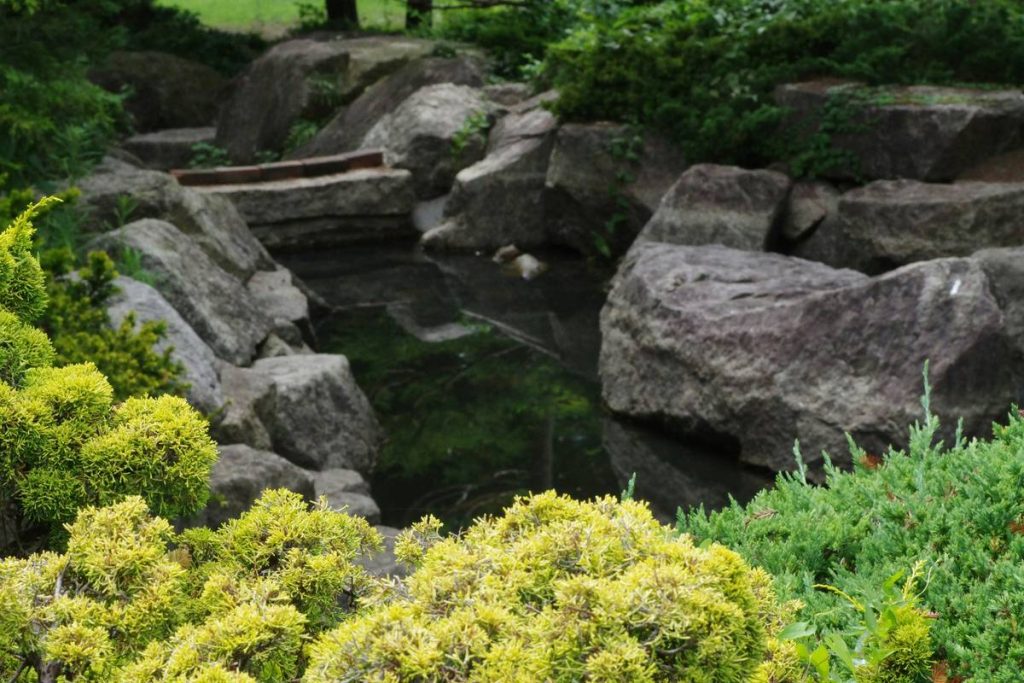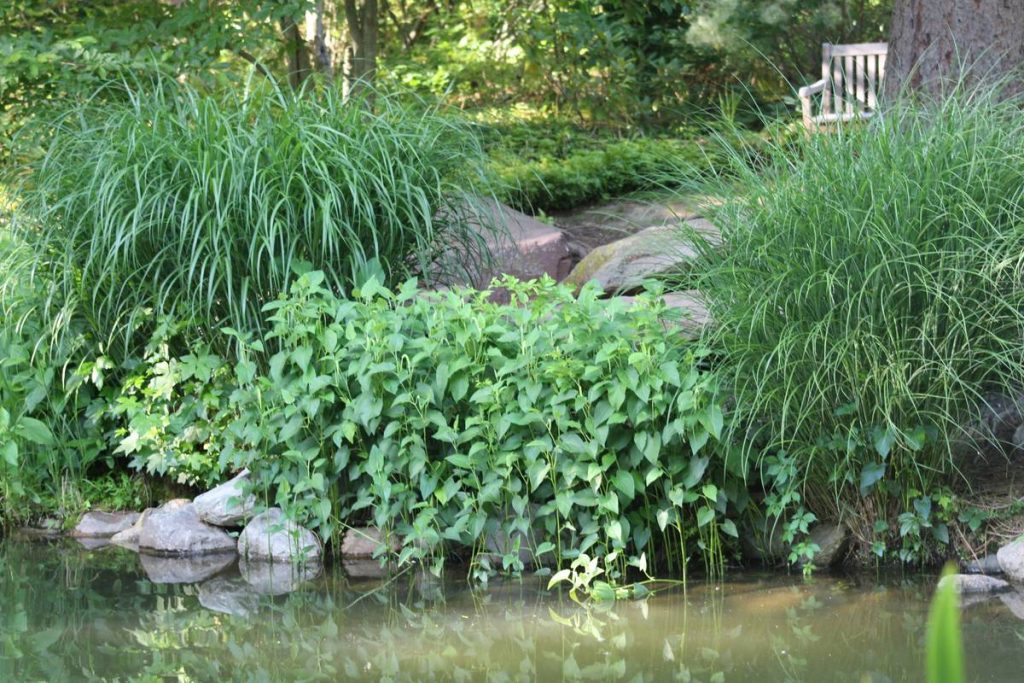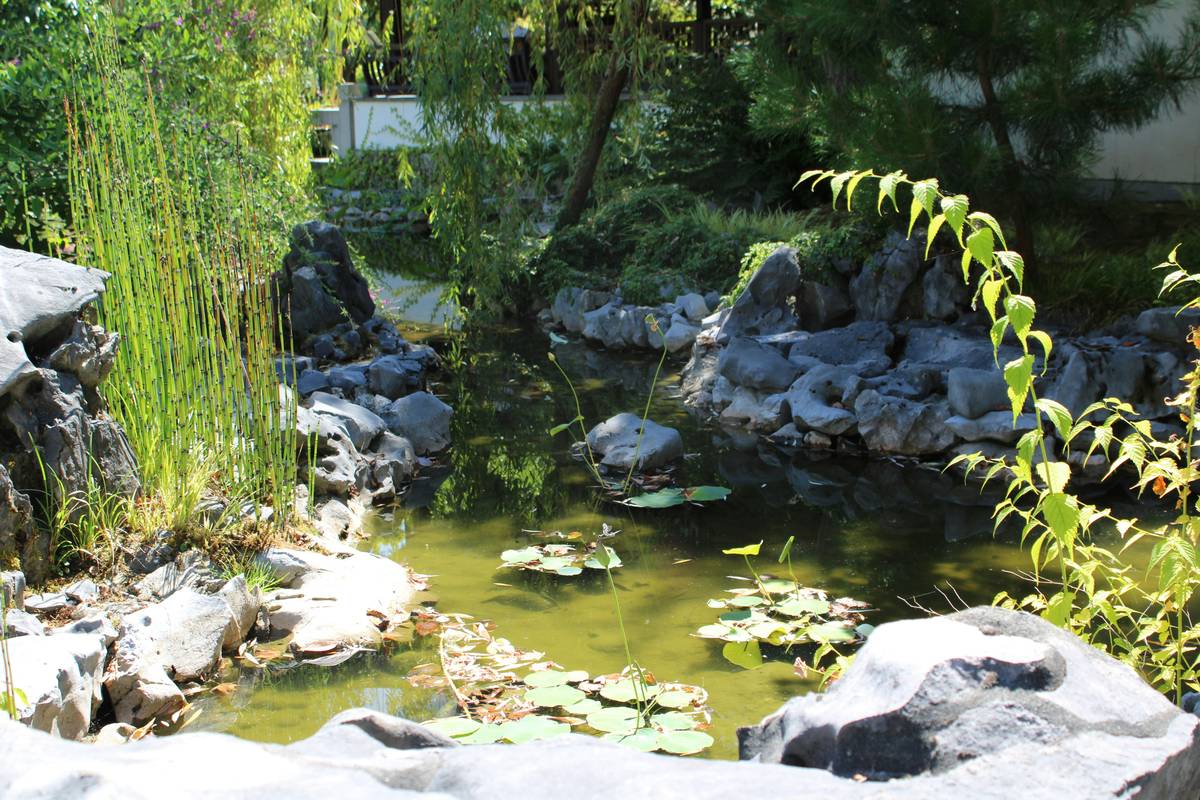
Ever stared at your backyard blank space and thought, “What if I added water?” You’re not alone. Garden ponds blend serenity with style—but get it wrong, and you’ll fight algae blooms, leaky liners, or worse: a glorified mosquito nursery. As someone who once lost an entire koi collection to poor planning (more on that later), I’ve learned that great ideas for a pond start with smart design, not just aesthetics. In this guide, we’ll walk through essential steps, expert-backed best practices, and real-world examples so your pond enhances—not haunts—your outdoor oasis.
Table of Contents
- Why Your Home Improvement Project Needs Water
- Your Step-by-Step Pond-Building Blueprint
- 7 Non-Negotiable Best Practices
- Pond Success Stories That Inspire
- Frequently Asked Questions
Key Takeaways
- Start with location, depth, and purpose before buying a single liner.
- Always include mechanical and biological filtration—skip this, and algae wins.
- Natural edging with local stone reduces maintenance and boosts visual harmony.
- Test water weekly; imbalances kill fish faster than predators.
- Small ponds need more care than large ones—counterintuitive but true.
Why Your Home Improvement Project Needs Water
In home landscaping, few features deliver ROI like a well-executed water feature. According to the National Association of Landscape Professionals, properties with intentional water elements see up to 15% higher perceived value. But beyond curb appeal, garden ponds create micro-ecosystems that support pollinators, birds, and even beneficial insects. They also lower ambient temperatures—a welcome relief during Florida summers (yes, we’re talking to you, Lakeland residents!).
I’ll confess my biggest blunder: I installed a 300-gallon pond right under a pine tree because it “looked peaceful.” Within weeks, needles clogged the pump, pH crashed, and my beloved koi turned belly-up. Lesson? Location isn’t just about beauty—it’s biology. Avoid overhanging trees, utility lines, and low spots where rainwater runoff collects (it carries fertilizers and chemicals that destabilize pond chemistry).
Your Step-by-Step Pond-Building Blueprint
1. Define Purpose and Scale
Are you raising fish, growing aquatic plants, or crafting a reflective meditation spot? Each goal demands different depths and equipment. Fish ponds need at least 24–36 inches of depth in colder zones to prevent winter kill.
2. Choose the Right Site
Pick a spot with 4–6 hours of sunlight daily (ideal for plants) but partial shade in hot climates. Stay 10+ feet from septic systems and foundations—water migration is real.
3. Dig Smart
Create shelves at varying depths for marginal plants. Slope walls inward slightly to prevent collapse. Always call 811 before digging—utility strikes are expensive and dangerous.
4. Install Liner and Underlayment
Use EPDM rubber (not PVC) over geotextile fabric. Overlap edges generously and secure with flat rocks—not sharp ones!
5. Add Filtration and Pump
Size your pump to circulate the entire volume every 1–2 hours. Pair it with a biofilter housing beneficial bacteria—critical for breaking down fish waste and debris.
7 Non-Negotiable Best Practices
- Don’t skip the test run. Fill your empty pond with water for 48 hours before adding plants or fish. Check for leaks first.
- Use native aquatic plants. They adapt faster and require less upkeep. Try pickerel weed or blue flag iris—both thrive in Central Florida.
- Avoid the “terrible tip”: Adding goldfish from a carnival? Bad idea. They grow huge, dig up plants, and often carry diseases. Stick to reputable suppliers.
- Clean filter media in pond water only. Tap water kills nitrifying bacteria—use old pond water during partial changes.
- Install a de-icer in winter. Even in mild zones, gas buildup under ice can suffocate fish.
- Limit fish load. Rule of thumb: 1 inch of fish per 10 gallons of water. Overstocking causes ammonia spikes.
- Document everything. Keep a log of water tests, maintenance, and additions—patterns reveal problems early.
Pond Success Stories That Inspire
In a University of Florida IFAS Extension case study, a homeowner in Polk County transformed a swampy corner into a 500-gallon ecosystem pond using local limestone and native pickerel rush. After six months, dragonfly populations doubled, and mosquito complaints dropped by 70%—thanks to strategically added gambusia fish. Water clarity improved without chemicals, proving that balanced design beats reactive fixes. For more on sustainable aquatic gardening, see the UF/IFAS Electronic Data Information Source.
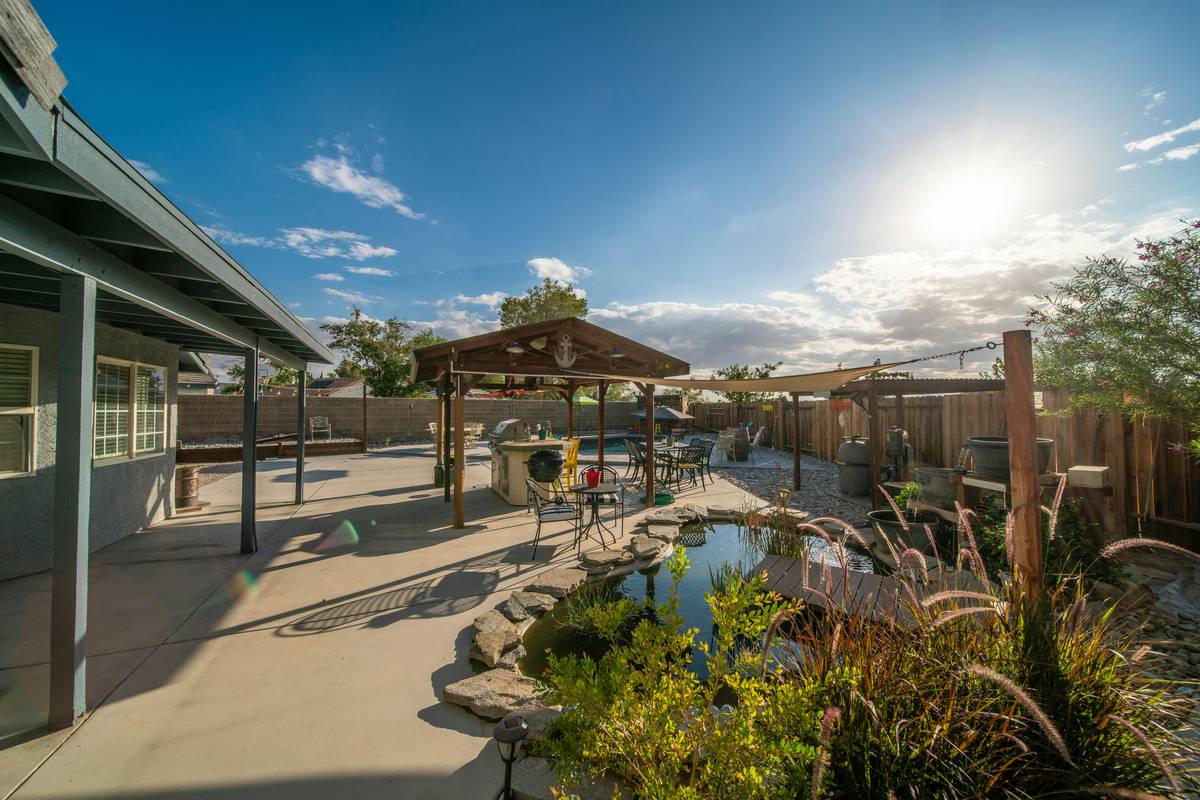
Another win: our own team helped a Lakeland client integrate a small fountain pond beside their patio. By linking it to our About Us philosophy of functional beauty, they now host weekend tea gatherings beside trickling water—no more noisy AC units as background music!
Frequently Asked Questions
How much does it cost to install a backyard pond?
DIY ponds range from $300 (small preformed kits) to $2,500+ for custom lined designs with pumps and lighting. Professional installations start around $4,000. Factor in long-term electricity and maintenance.
Can I have a pond if I have dogs or kids?
Yes—with precautions. Use shallow designs (<18 inches) or install mesh covers. Always supervise young children. At Lakeland FSBO, we prioritize safety; review our full approach on the Contact Us page.
Do garden ponds attract mosquitoes?
Only stagnant ones. Moving water from fountains or waterfalls deters egg-laying. Add mosquito dunks (Bti bacteria) as backup—they’re safe for fish and pets (CDC-approved).
What’s the easiest type of pond to maintain?
Wildlife ponds without fish. They rely on plant balance and require minimal equipment. Just avoid invasive species—check guidelines from the National Invasive Species Information Center.
How often should I clean my pond?
Skim debris weekly. Perform a 10–15% water change monthly. Deep clean only once a year in early spring—never in summer when beneficial bacteria peak.
Where can I learn more about responsible pond ownership?
We recommend starting with university extensions like UF/IFAS. And if you’re in Central Florida, reach out—we’ve partnered with local nurseries on eco-friendly pond builds. Your privacy matters; see our Privacy Policy for data handling details.
Great ideas for a pond aren’t about size or budget—they’re about harmony. Match your vision to your land, respect the ecosystem, and never underestimate the healing power of moving water. Ready to turn your backyard into a haven? Contact us—we’ll help you avoid the mistakes I made so your first splash is your last worry.
Still pond. Ripples fade. Peace remains.