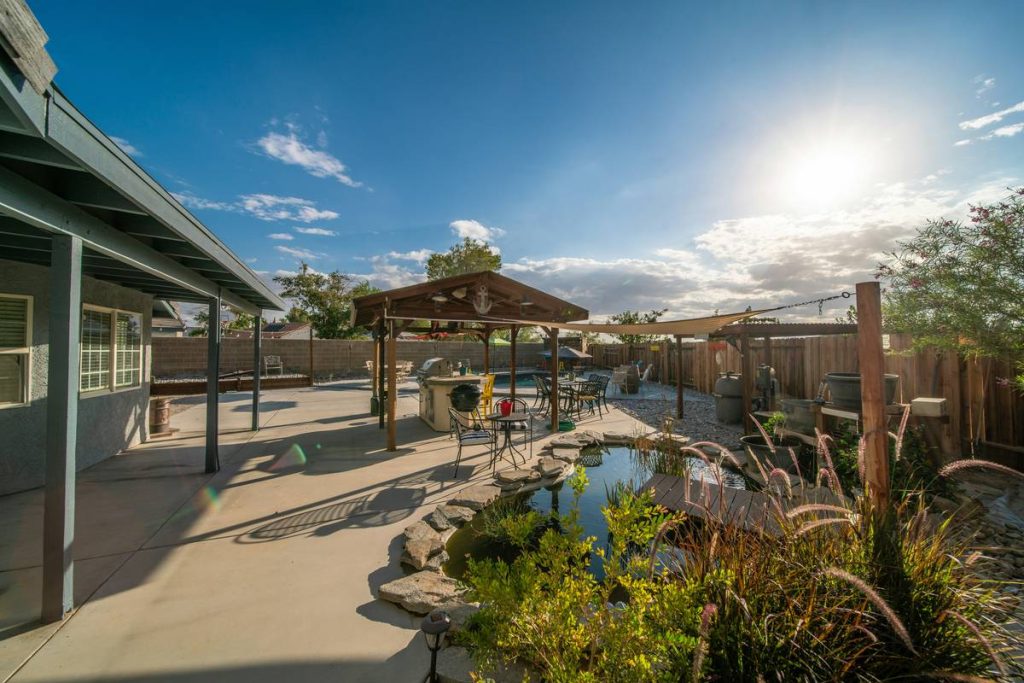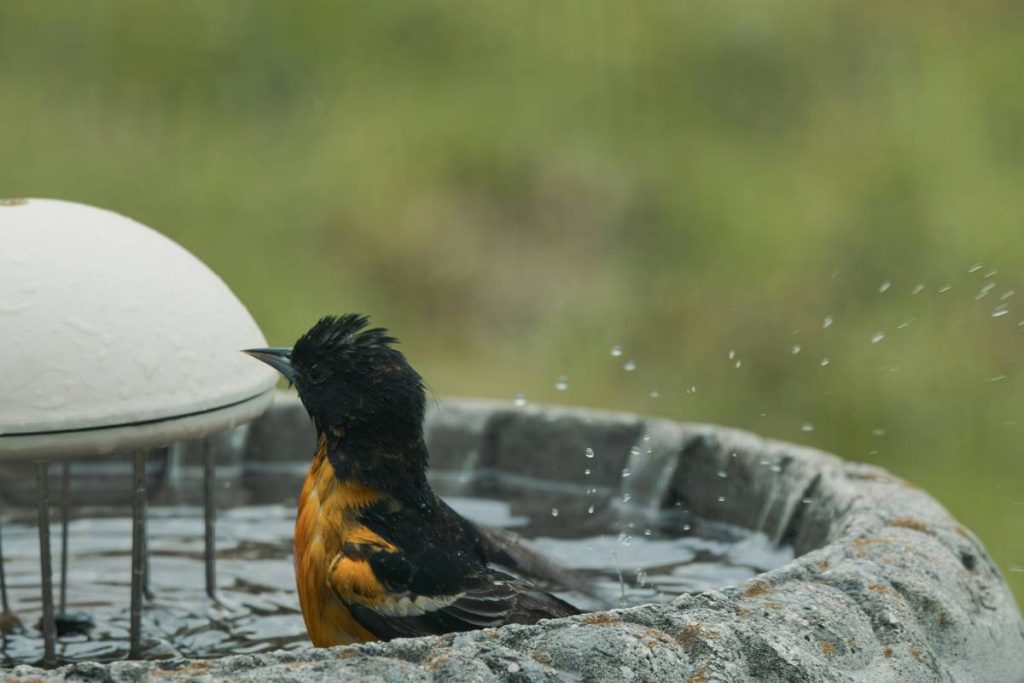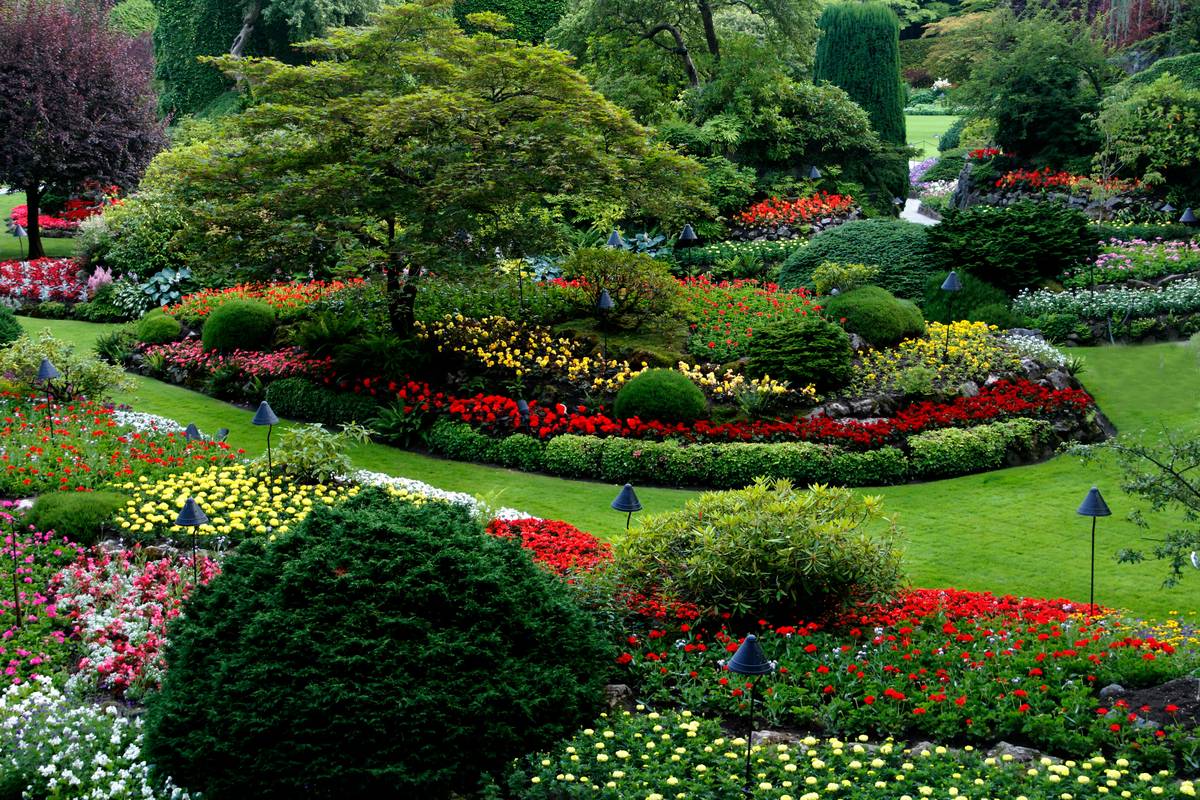
You’ve got a postage-stamp backyard—but you still dream of the gentle ripple of water, the dart of koi, the soft chorus of frogs at dusk. Most “experts” will tell you it’s impossible without major excavation or a contractor on speed dial. They’re wrong. The frustration isn’t your space—it’s their cookie-cutter advice. Here’s how to build a stunning, functional pond that fits even the tightest urban plot—without blowing your budget or sanity.
Why Most Small Garden Pond Designs Fail Before Day One
They start with aesthetics, not physics. A pond isn’t a painted mural—it’s a living ecosystem. Too many DIYers slap in a preformed shell, toss in a pump, and wonder why it turns green by July. Algae blooms. Mosquitoes swarm. Water evaporates faster than you can refill it. And worst? It looks like an afterthought—not an intentional feature.
The core issue? Scale blindness. What works in a half-acre lot collapses in 50 square feet. Depth matters. Filtration matters more. But here’s the reality: size isn’t the limiting factor—design intelligence is.
small garden pond design ideas That Actually Work
Forget grand waterfalls. Think surgical precision. Below is a battle-tested framework for building a micro-pond that thrives, not just survives.
Choose Your Basin Strategy Wisely
Preformed liners look tidy but restrict shape and depth—fatal in small spaces where every inch counts. Flexible EPDM rubber? Messier to install, yes—but unlocks curves, shelves, and true customization. And depth? Minimum 18 inches if you want fish to overwinter. Shallow = algae party.

Pump & Filtration: Less Is More (But Only If It’s Right)
Oversizing a pump creates turbulence—bad for plants, stressful for fish. Undersizing invites stagnation. Match flow rate to volume: aim for one full turnover per hour. For a 100-gallon pond? A 100 GPH pump. Add a simple sponge filter tucked behind rocks—out of sight, high efficiency. No need for fancy UV clarifiers unless you’re battling chronic green water.
Plant Layering: Your Secret Weapon Against Algae
Plants aren’t decor—they’re your cleanup crew. Submerged oxygenators (like hornwort) consume nitrates. Floating plants (water lettuce, dwarf lilies) shade the surface—blocking sunlight algae crave. Marginals (iris, cattails) anchor edges and filter runoff. Rule of thumb: cover 60-70% of surface area with foliage. Nature balances itself—if you give it the tools.
| Approach | Cost Range | Best For | Maintenance Level |
|---|---|---|---|
| Preformed Rigid Liner | $80–$250 | Ultra-fast installs; renters | High (limited depth, prone to cracking) |
| Flexible EPDM Liner + DIY Edging | $150–$400 | Permanent features; custom shapes | Low (with proper plant/fish balance) |
| Container Pond (Half-Barrel/Planter) | $50–$180 | Balconies; patios; testing concepts | Medium (frequent top-offs, seasonal cleanouts) |
The Industry Secret: Borrowed Scenery > Big Water
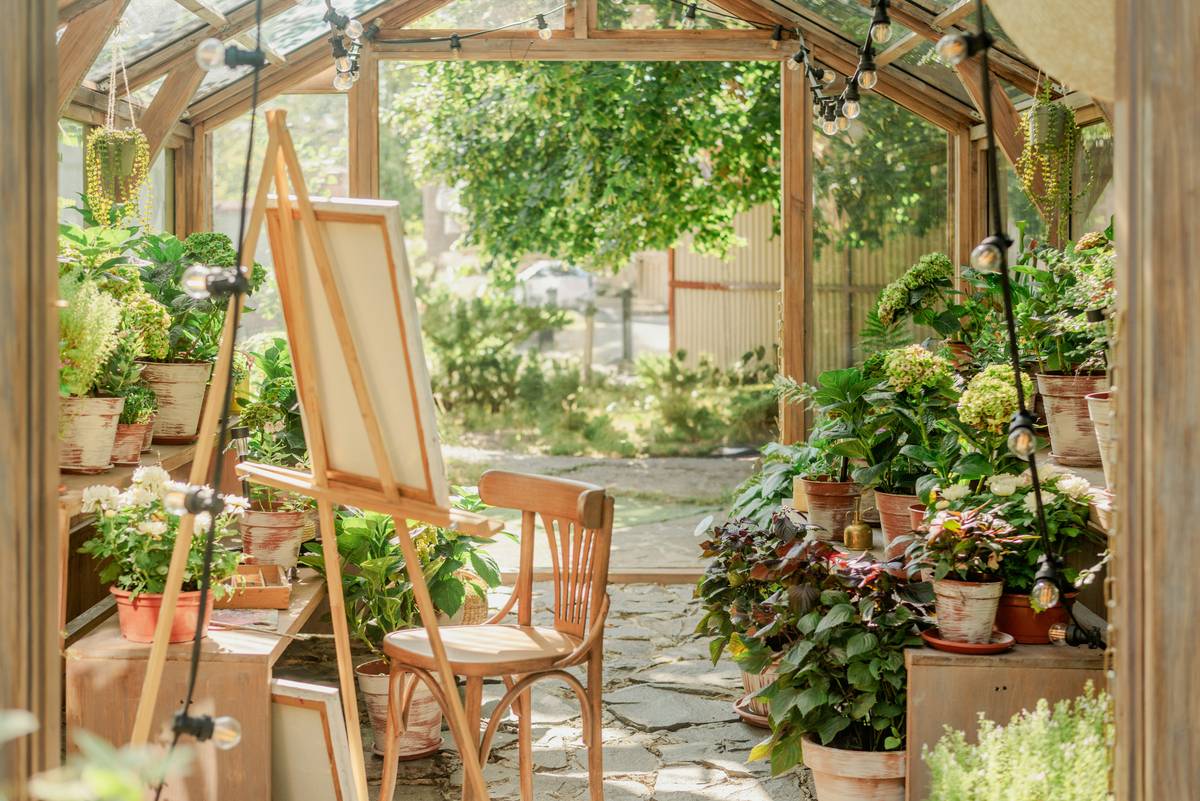
Here’s what landscape architects won’t tell you: your pond doesn’t need to be large—it needs to feel connected. Use “borrowed scenery” (a centuries-old Japanese technique called shakkei) to visually expand your water feature. Position it so it reflects a tree outside your property line. Frame it with a mirror panel disguised as a rock wall. Or angle seating to capture sky reflections at sunset.
And this—most contractors charge $3k+ to implement it. You can do it for $0 with smart placement. Water’s magic lies in reflection, movement, sound—not acreage. A 3-foot diameter pond reflecting cherry blossoms reads as “serene oasis,” not “tiny puddle.”
Think about it: your eyes don’t measure gallons. They follow light, texture, and stillness.
FAQ
Can I have fish in a very small garden pond?
Yes—but choose wisely. Skip koi (they need depth and volume). Go for white cloud mountain minnows or mosquito fish. Keep stocking light: 1 inch of fish per 10 gallons max.
How do I stop my small pond from turning green?
Balance is key. Shade the surface with floating plants, add barley straw extract, and never overfeed fish. A few snails help too. Green water means excess nutrients—fix the cause, not just the symptom.
Do small ponds attract mosquitoes?
Not if water moves. Even a tiny fountain or bubbler disrupts breeding. Or introduce mosquito fish—they eat larvae voraciously. Stagnant water is the real culprit.