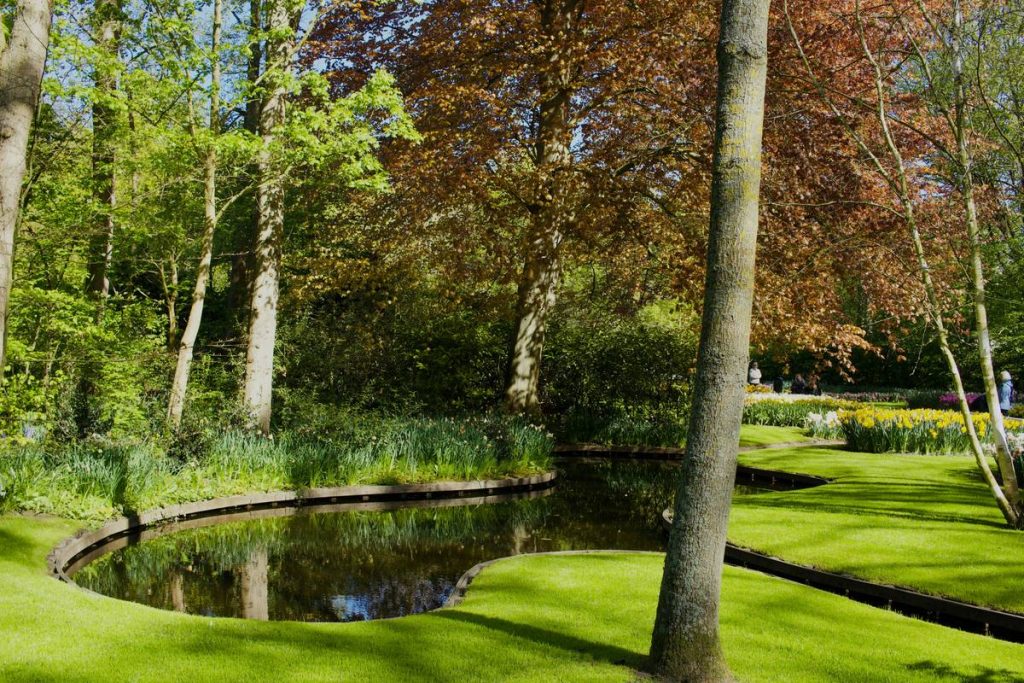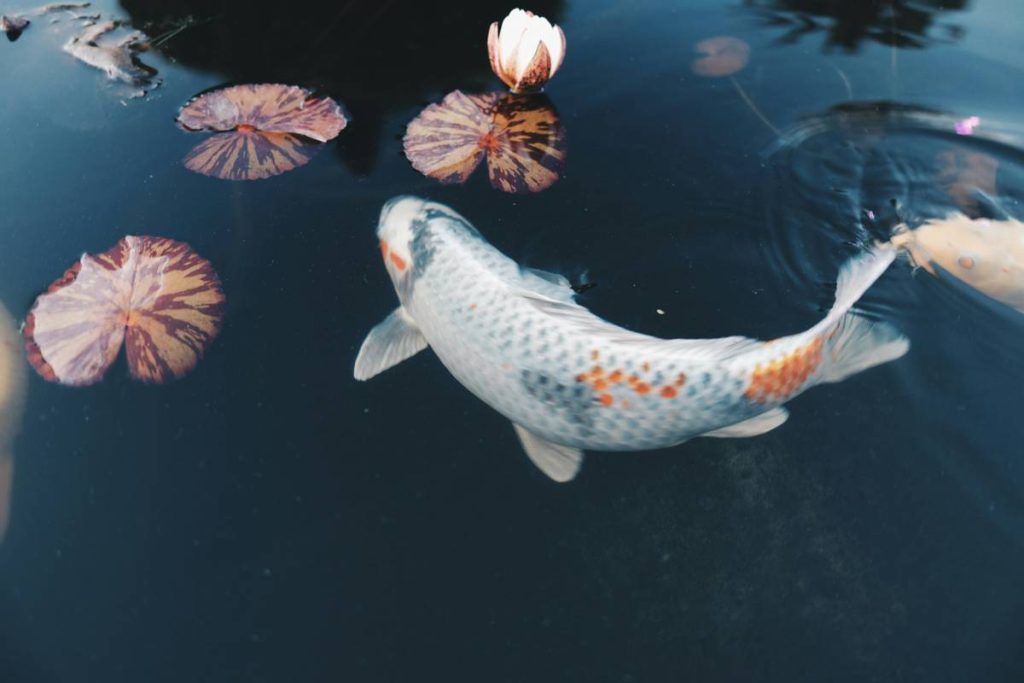
You want a garden pond. But the moment you start researching, you’re buried under generic stock photos, overpriced kits, and advice that assumes you’ve got a contractor on speed dial. The result? Paralysis. Endless scrolling. Zero progress. Here’s the fix: actionable, budget-conscious garden pond ideas that prioritize function over fluff—and look stunning doing it.
Why Most Garden Pond Ideas Fail Before You Even Dig
They ignore physics. And biology. And your actual backyard slope.
Too many “experts” sell dreamy renderings of koi palaces—but skip the brutal truth: stagnant water breeds mosquitoes, cheap liners crack by season two, and over-engineering kills joy faster than algae. Your pond isn’t a showpiece. It’s an ecosystem. Treat it like one—or watch it become a smelly liability.
Garden Pond Ideas: A No-Nonsense Build Blueprint
Forget cookie-cutter tutorials. This is how real gardeners build ponds that thrive—not just survive.
Step 1: Size & Location—Think in Reverse
Don’t ask, “How big can I go?” Ask, “What’s the smallest pond that still delivers impact?” Start with a footprint no larger than 6’x4’. Less excavation. Less liner cost. Easier maintenance. Place it where you actually sit—not where it “looks pretty” from the street.
Step 2: Liner vs. Preformed—The Cost Trap
Preformed shells seem foolproof. They’re not. They crack in freeze-thaw cycles, limit depth options, and rarely match your soil contour. Flexible EPDM rubber liner? Slightly more fiddly to install—but lasts 20+ years if weighted properly. Pro tip: Overlap rocks by at least 6 inches to shield UV degradation.
Step 3: Filtration That Doesn’t Suck
Pumps alone won’t cut it. You need biofiltration—think submerged gravel beds or planted bog zones. Plants like iris, pickerelweed, and water mint pull nitrates naturally. Skip this, and you’ll be scrubbing green slime every other weekend.

| Approach | Avg. Cost | Maintenance Level | Lifespan |
|---|---|---|---|
| Preformed Plastic Shell | $150–$400 | High (cracking, shallow depth) | 3–5 years |
| EPDM Rubber Liner + DIY Edge | $300–$800 | Low-Medium (with proper planting) | 20+ years |
| Concrete Pour (Custom) | $1,500+ | Medium (sealing required) | 30+ years |
| Repurposed Stock Tank | $80–$200 | Low (but limited aesthetics) | 5–8 years |

The Industry Secret: Ponds Don’t Need Fish (Seriously)
Here’s what pond retailers won’t tell you: fish complicate everything. They overfeed. They stir sediment. They die if you’re away for a week. And their waste fuels algae blooms unless you’ve got serious filtration.
Instead, go fishless. Let frogs, dragonflies, and diving beetles move in naturally. Add oxygenators like hornwort or anacharis. You’ll get clearer water, lower upkeep, and a self-balancing microhabitat that actually supports local wildlife—not just decorates your patio.
Think about it: a silent, mirror-like surface reflecting clouds beats murky water hiding stressed koi any day.
Frequently Asked Questions
How deep should a garden pond be for plants only?
18–24 inches is ideal. Shallow zones (6–12”) support marginal plants; deeper areas prevent rapid temperature swings.
Can I build a pond on a slope?
Yes—but terrace it. Never try to “level” a sloped yard into one flat plane. Build stepped basins with retaining rocks. Water flows; soil doesn’t have to.
Do garden pond ideas require electricity?
Not necessarily. Solar-powered fountain pumps exist, but for still-water ponds with heavy planting, you can skip pumps entirely. Nature handles circulation.