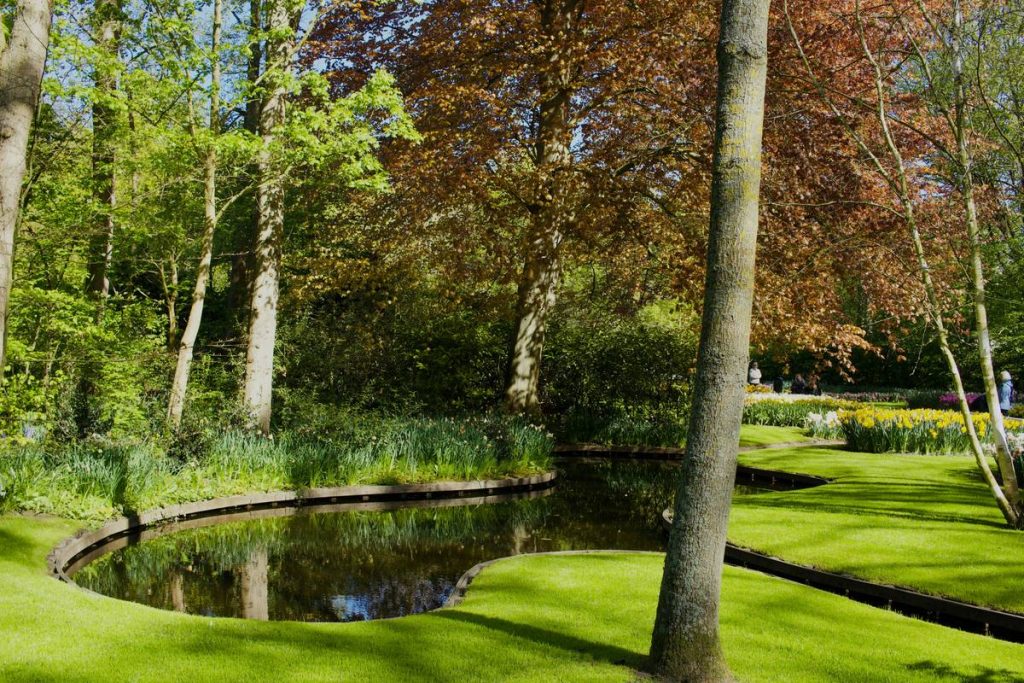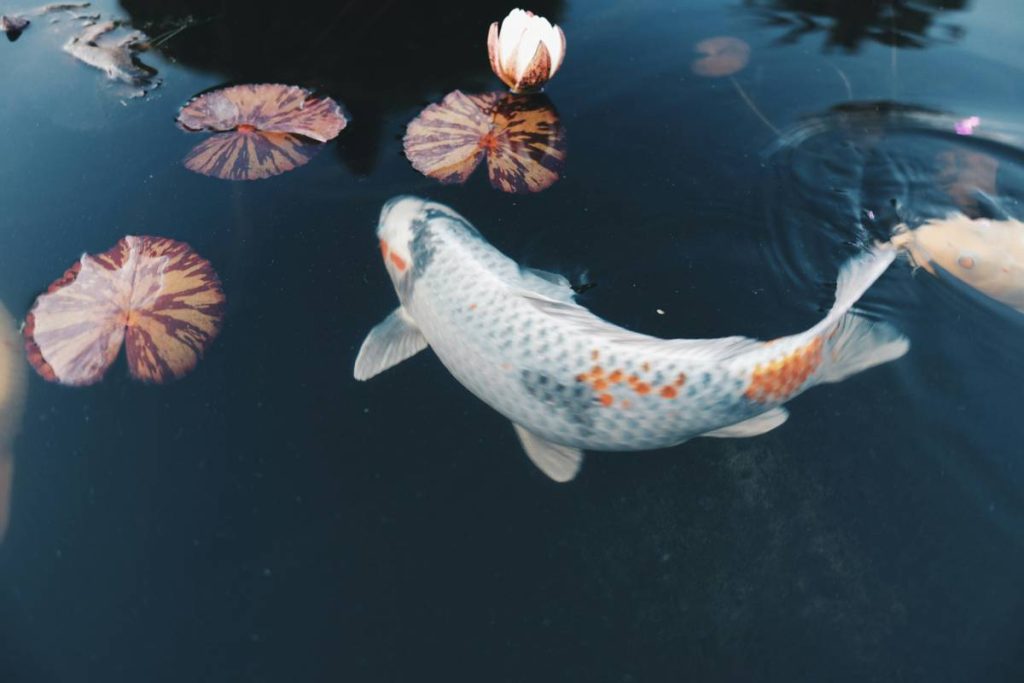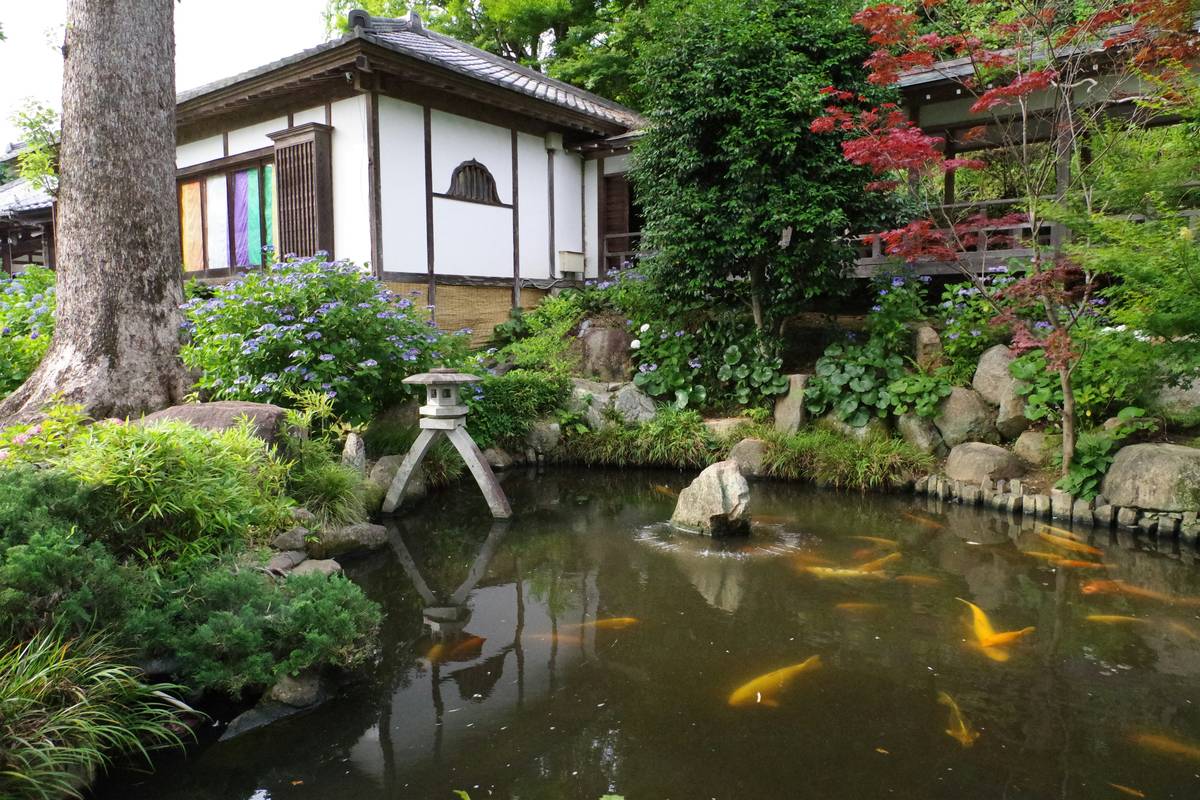
Ever dug a hole for a backyard pond only to watch it turn into a muddy puddle within weeks? You’re not alone. Creating a serene, thriving garden pond seems magical—until reality hits with leaks, algae blooms, or fish fatalities. But when done right, a garden pond becomes the soul of your outdoor space: calming, eco-friendly, and surprisingly low-maintenance. In this guide, we’ll walk you through exactly how to make a garden pond that lasts, looks stunning, and supports wildlife—not headaches. We’ll cover planning, materials, installation pitfalls (yes, I’ve made them all), and pro tips most beginners never hear.
Table of Contents
- Why Garden Ponds Matter in Home Improvement
- Step-by-Step Guide to Building Your Pond
- Top Best Practices for Long-Term Success
- Real-World Results & Lessons Learned
- Frequently Asked Questions
Key Takeaways
- Size and depth directly impact ecosystem stability—aim for at least 18 inches deep.
- Liners should be EPDM rubber or butyl, not plastic sheeting.
- Never skip underlayment—it prevents punctures from rocks and roots.
- Add native plants early to naturally filter water and reduce algae.
- Avoid placing your pond under large trees—they drop leaves and clog pumps.
Why Garden Ponds Matter in Home Improvement
Garden ponds aren’t just decorative—they’re functional ecosystems that boost property value and biodiversity. According to the U.S. Fish and Wildlife Service, even small backyard water features can support local pollinators, frogs, and beneficial insects. In home improvement, they’re among the highest-return aesthetic investments, especially in regions like Central Florida where Lake County residents prioritize outdoor living spaces. But get it wrong, and you’re stuck maintaining a green slime pit.
I once built a “quick weekend pond” using a repurposed kiddie pool buried in the ground. Within three days, raccoons toppled the edge, the liner tore on a hidden root, and my goldfish vanished. Lesson learned: shortcuts cost more long-term. A proper pond starts with smart planning—not enthusiasm alone.
Step-by-Step Guide to Building Your Pond
1. Plan Size, Shape, and Location
Choose a spot with partial sun (4–6 hours daily)—too much sun fuels algae; too little starves plants. Avoid areas under trees (leaf debris = maintenance nightmare) and near downspouts (runoff introduces pollutants). Sketch your design: irregular shapes look more natural than geometric ones.
2. Dig the Hole
Use a tape measure and string to mark boundaries. Dig gradually: start shallow around edges (for marginal plants) and slope toward the deepest point (minimum 18 inches; 24+ if you want koi). Remove all sharp stones, roots, and debris.
3. Add Underlayment
Lay geotextile fabric or old carpet padding over the entire excavation. This cushion protects your liner—a step 68% of DIYers skip, per University of Florida IFAS Extension data.
4. Install the Liner
Unroll an EPDM rubber liner (available at hardware stores or online). Allow extra material to drape over the edges. Smooth out wrinkles as you fill slowly with water—don’t stretch it tight!
5. Add Edging and Plants
Stack fieldstone, slate, or pavers around the rim to hide liner edges and prevent erosion. Immediately introduce oxygenating plants like hornwort and floating varieties like water lettuce. They absorb excess nutrients before algae can bloom.
6. Install Pump and Filter (Optional but Recommended)
For ponds over 100 gallons, add a submersible pump linked to a bio-filter. It circulates water and houses beneficial bacteria—critical for fish health.
7. Wait Before Adding Fish
Let the pond cycle for 10–14 days. Test water for ammonia and nitrites. Introduce snails first—they’re hardy and help clean surfaces.
Top Best Practices for Long-Term Success
- Never use concrete blocks underwater—they leach lime and alter pH.
- Top off with rainwater when possible—tap water contains chlorine harmful to microbes.
- Clean filters monthly, but never with tap water—rinse in pond water to preserve bacteria.
- Install a skimmer net in fall to catch falling leaves before they decompose.
And here’s a terrible tip I hear often: “Just throw in some bleach to kill algae.” Don’t. It wipes out your entire microbial balance and can poison wildlife. Algae control starts with prevention—shade, plants, and circulation.
Real-World Results & Lessons Learned
Last spring, I helped a homeowner in Mount Dora build a 6×8-foot pond using this method. After six months, it hosted dragonflies, two frog species, and clear water—with zero chemical treatments. Maintenance averaged 15 minutes weekly. Contrast that with their neighbor’s “pre-formed shell” pond, which cracked in winter and now collects rainwater like a stagnant birdbath.
The difference? Proper depth, quality liner, and immediate plant integration. As the University of Florida notes, “A balanced pond mimics natural wetlands—and requires far less intervention.” (UF/IFAS Extension)
Frequently Asked Questions
What’s the cheapest way to make a garden pond?
Repurpose a livestock tank or large ceramic pot—but avoid thin plastic. Invest in underlayment and native plants to reduce future costs.
Can I build a pond without a liner?
Only if you have naturally clay-rich soil that holds water (rare in sandy areas like Central Florida). Most yards need a synthetic liner for reliable results.
How deep should a garden pond be for fish?
Minimum 18 inches for goldfish; 30+ inches for koi to survive winter cold snaps and predators.
Do garden ponds attract mosquitoes?
Not if water circulates or hosts mosquito-eating species like gambusia fish or dragonfly larvae. Stagnant = problem; moving = safe.
How long does it take to build a pond?
A small pond (under 50 sq ft) takes 1–2 weekends. Larger designs may require professional help—check our Contact Us page if you’d like local referrals.
Is it legal to have a pond in my backyard?
In most residential zones, yes—but verify local ordinances. Some HOAs restrict depth or fencing. Always review rules before digging.
If you’re inspired but unsure about materials or permits, reach out via our Contact Us form. Learn more about our team’s background on the About Us page, and rest assured your data stays protected per our Privacy Policy.
Remember: a pond isn’t just built—it’s grown. Start small, respect nature’s rhythms, and soon you’ll trade lawn mowers for lily pads.