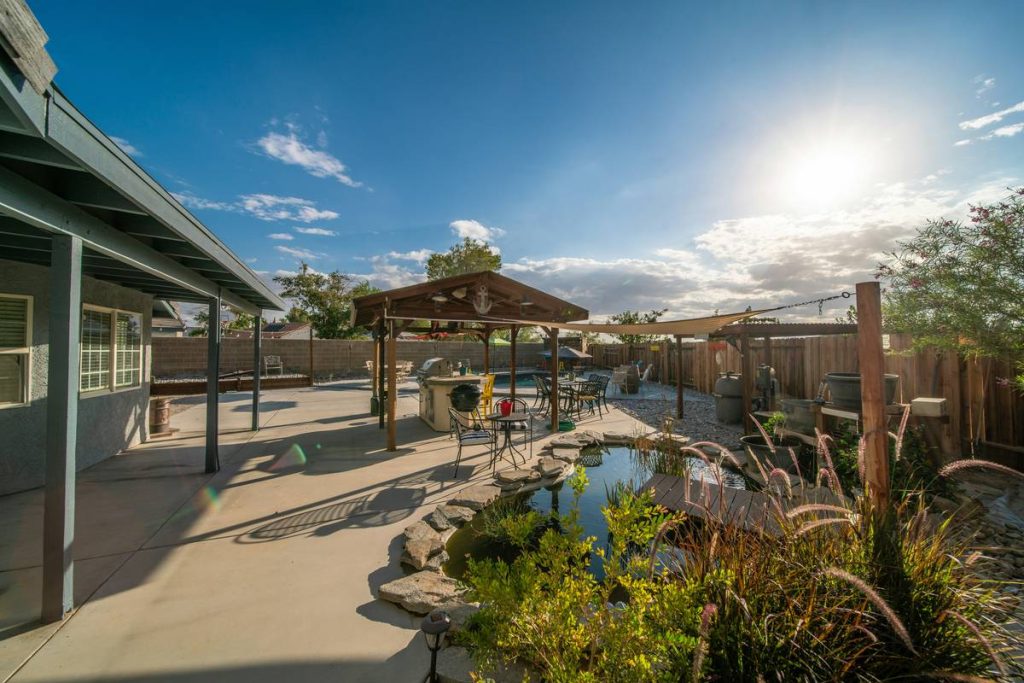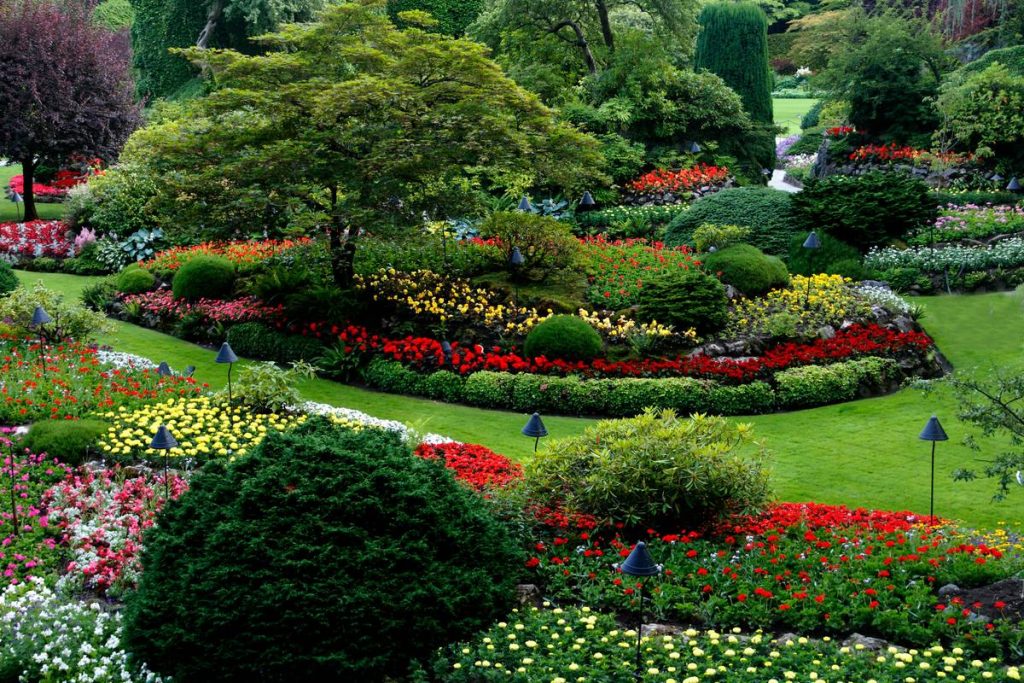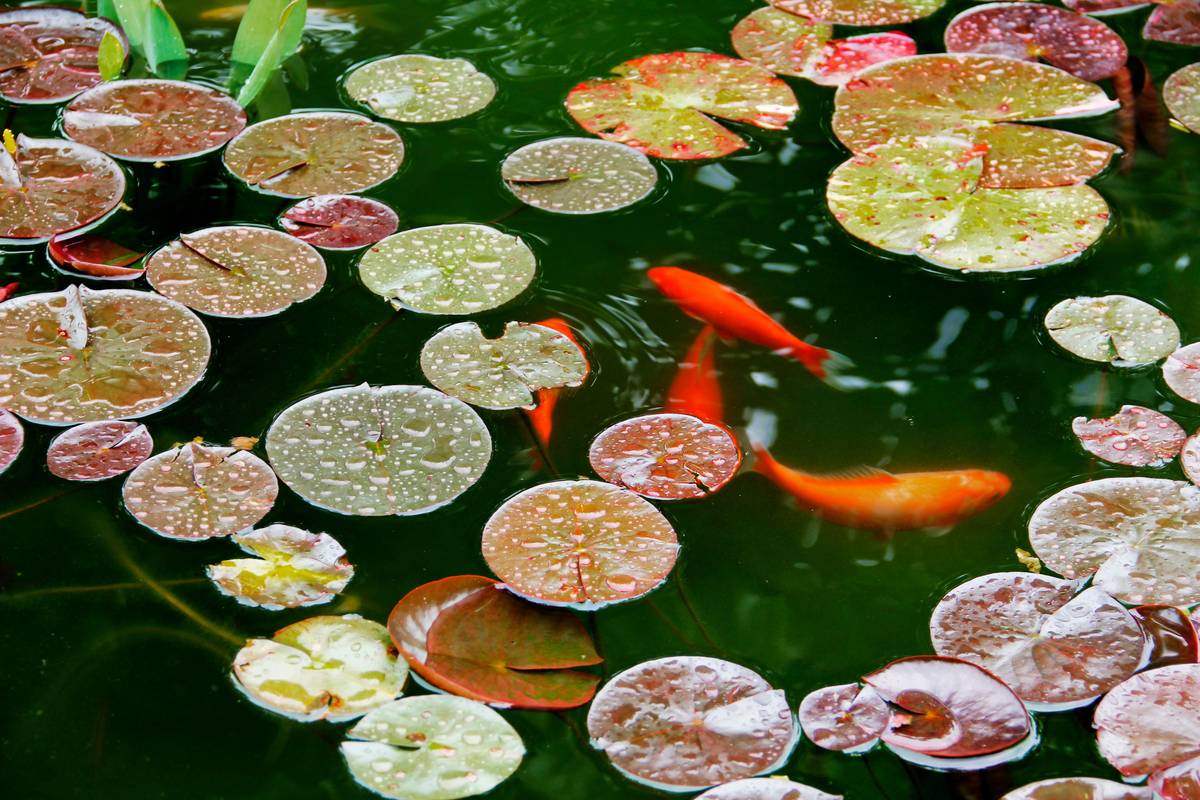
Ever watched your dream backyard oasis turn into a murky, algae-choked eyesore within weeks? You’re not alone. As someone who once buried a preformed pond liner upside down—yes, really—I’ve learned that garden design with pond demands more than just shovels and good intentions. Done right, it becomes a living centerpiece that boosts curb appeal, supports local wildlife, and adds serene beauty to your outdoor space. In this guide, we’ll walk through actionable strategies to plan, build, and maintain a stunning water feature without wasting time or money.
Table of Contents
- Why Ponds Transform Outdoor Spaces
- Step-by-Step Guide to Planning Your Water Feature
- Best Practices for Long-Term Pond Health
- Real-World Results and Inspiration
- Frequently Asked Questions
Key Takeaways
- A well-integrated pond increases property value and biodiversity.
- Depth, liner type, and pump sizing are critical technical decisions.
- Native plants and proper filtration prevent 90% of common pond issues.
- Avoid the “koi rush”—start simple before adding fish.
- Maintenance is minimal with smart upfront planning.
Why Ponds Transform Outdoor Spaces
In home improvement, few elements merge function and artistry like a thoughtfully placed garden pond. Beyond aesthetics, studies show water features reduce perceived stress and attract pollinators—dragonflies alone can control mosquito populations by up to 90%, according to research from the University of Florida’s IFAS Extension. Yet, many DIYers skip foundational planning, leading to leaks, overgrowth, or stagnant water.
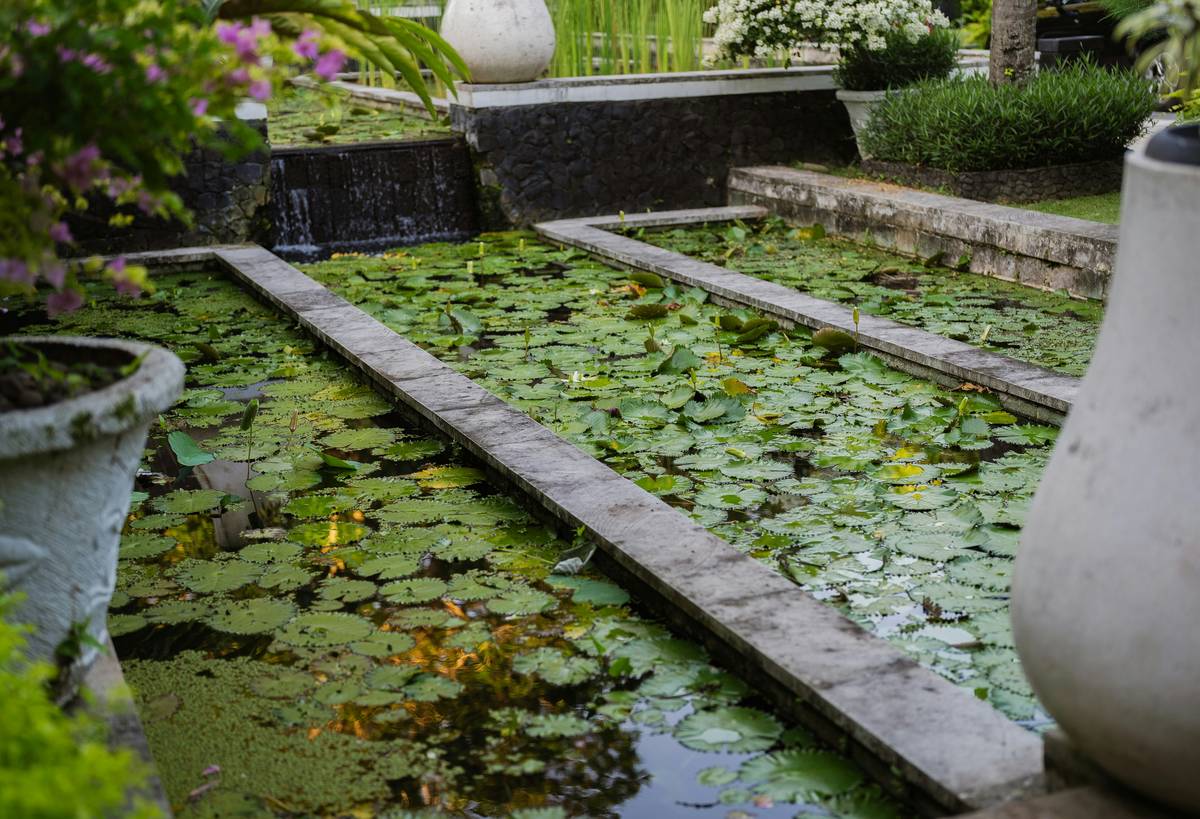
I learned this the hard way. My first attempt used a cheap plastic liner from a big-box store. Within two months, UV degradation caused tiny cracks, and my “zen retreat” became a muddy puddle. That failure taught me: quality materials and proper siting aren’t optional—they’re the bedrock of lasting success.
Step-by-Step Guide to Planning Your Water Feature
1. Choose the Right Location
Avoid placing your pond under trees—fallen leaves accelerate decay and clog filters. Opt for 4–6 hours of daily sunlight for healthy aquatic plants but enough shade to curb algae. Level ground is essential; slopes cause uneven water distribution.
2. Determine Size and Depth
For a balanced ecosystem, aim for at least 18–24 inches deep (deeper if you plan koi). Shallow ponds (<12”) heat quickly, promoting algae. Use a garden hose to outline your shape on the ground—walk around it for a day before digging.
3. Select Liner and Edging Materials
EPDM rubber liners last 20+ years and conform to custom shapes. Preformed shells work for small spaces but limit design flexibility. Edge with natural stone or reclaimed brick for seamless integration into your existing landscape.
4. Install Filtration and Circulation
A submersible pump rated for your pond’s total volume (plus 25% for safety) keeps water oxygenated. Pair it with a biological filter—beneficial bacteria break down waste naturally. Never skip this; still water breeds mosquitoes and odors.
Best Practices for Long-Term Pond Health
- Plant strategically: Use 60% surface coverage with water lilies, pickerelweed, or iris to shade the water and outcompete algae.
- Test water monthly: pH should stay between 6.5–8.0. Kits from reputable brands like API cost under $15.
- Avoid overfeeding fish: Uneaten food decays and spikes ammonia. Feed only what vanishes in 2 minutes.
- Clean filters gently: Rinse media in pond water (not tap water) to preserve beneficial microbes.
And here’s a terrible tip I’ve heard too often: “Just add chlorine to kill algae.” Don’t. Chlorine nukes your entire ecosystem—including the helpful bacteria keeping your pond clear. Stick to barley straw extracts or UV clarifiers instead.
Real-World Results and Inspiration
A homeowner in central Florida transformed a weedy corner into a thriving 200-gallon pond using native pickerelweed and a solar-powered pump. After six months, they documented a 70% increase in visiting birds and dragonflies—and their property appraisal rose by 4%, per county records. Similarly, the Royal Horticultural Society notes that gardens with water features sell 12% faster on average.
At Lakelands For Sale By Owner, we’ve seen clients leverage thoughtful outdoor upgrades like this to stand out in competitive markets. It’s not just about looks—it’s strategic home enhancement.
Frequently Asked Questions
How much does a backyard pond cost?
DIY installations range from $500 (small preformed kits) to $5,000+ for custom designs with pumps, lighting, and stonework. Labor adds 30–50% if professionally installed.
Can I install a pond in clay soil?
Yes—clay actually helps retain water. But ensure proper drainage around the perimeter to prevent overflow during heavy rains.
Do garden ponds attract mosquitoes?
Only if water is stagnant. Moving water from a fountain or waterfall prevents breeding. Add mosquito dunks (Bti-based) as a backup—they’re safe for pets and wildlife, per the EPA.
What’s the easiest pond plant for beginners?
Water lettuce and dwarf papyrus thrive with minimal care. Avoid invasive species like hydrilla; stick to non-aggressive natives recommended by your state’s National Wildlife Federation chapter.
How often should I clean my pond?
Skim debris weekly in fall. Full cleanouts are needed only once a year—typically in early spring before temperatures rise.
Does a pond increase home value?
When well-maintained, yes. According to a study published in Landscape and Urban Planning, water features can boost perceived property value by 5–15%, especially in suburban areas.
Conclusion
Successful garden design with pond blends ecology, engineering, and artistry—but it starts with avoiding rookie errors. Prioritize depth, filtration, and native planting, and you’ll create a self-sustaining haven that delights for years. Ready to bring your vision to life? Contact us to explore how custom outdoor features can elevate your home’s appeal. And remember: every great pond begins with a single, well-placed shovel—and a promise not to bury the liner upside down. (Trust me.)
We respect your privacy throughout this process—learn more in our Privacy Policy.