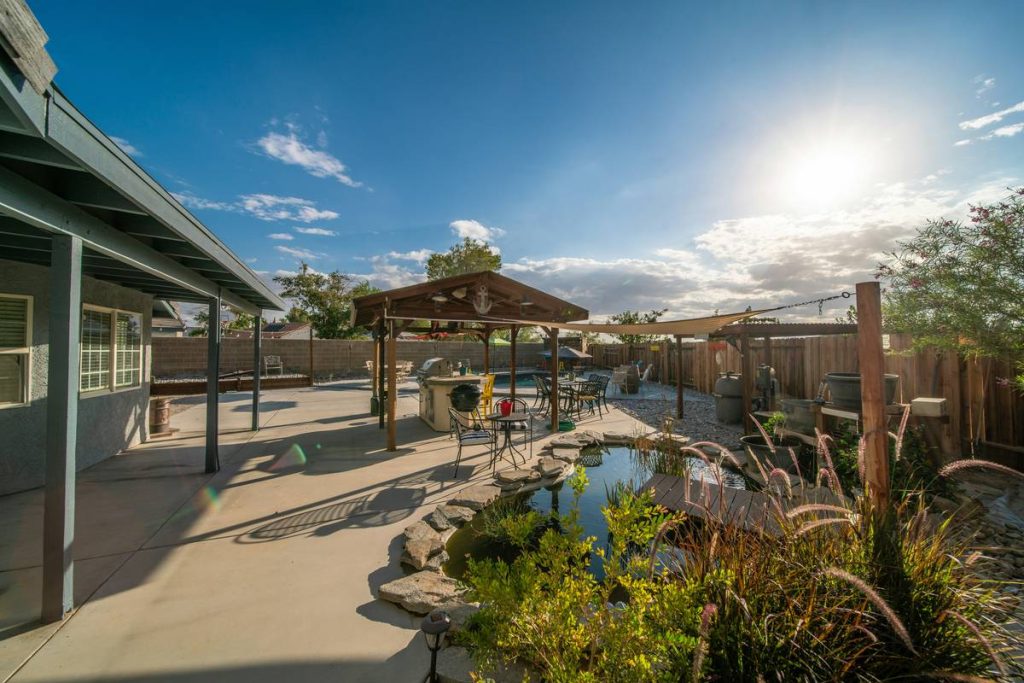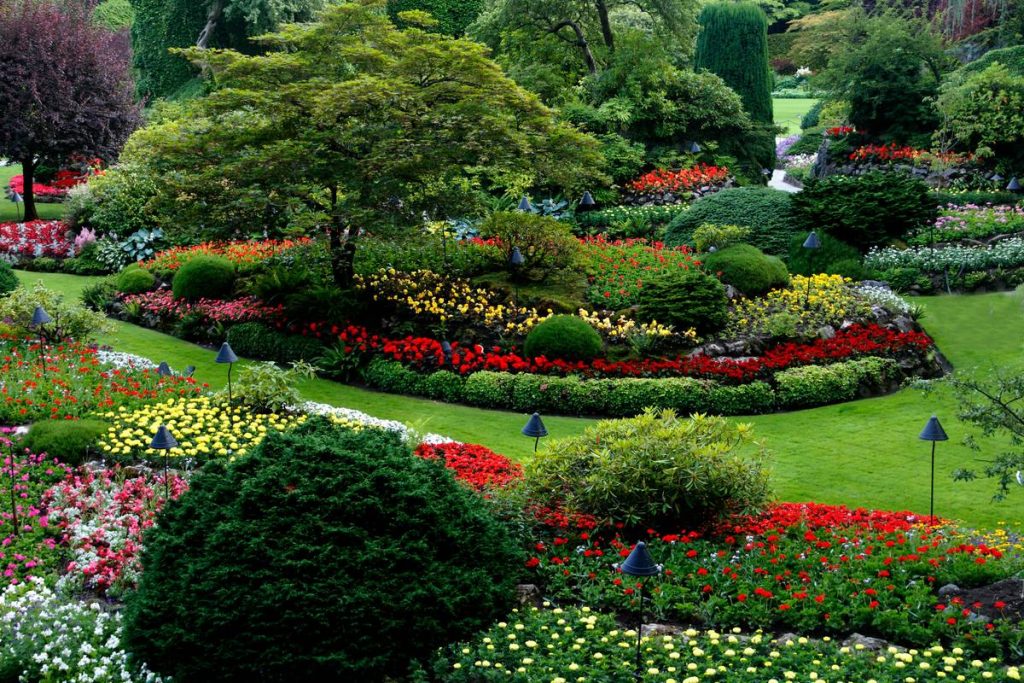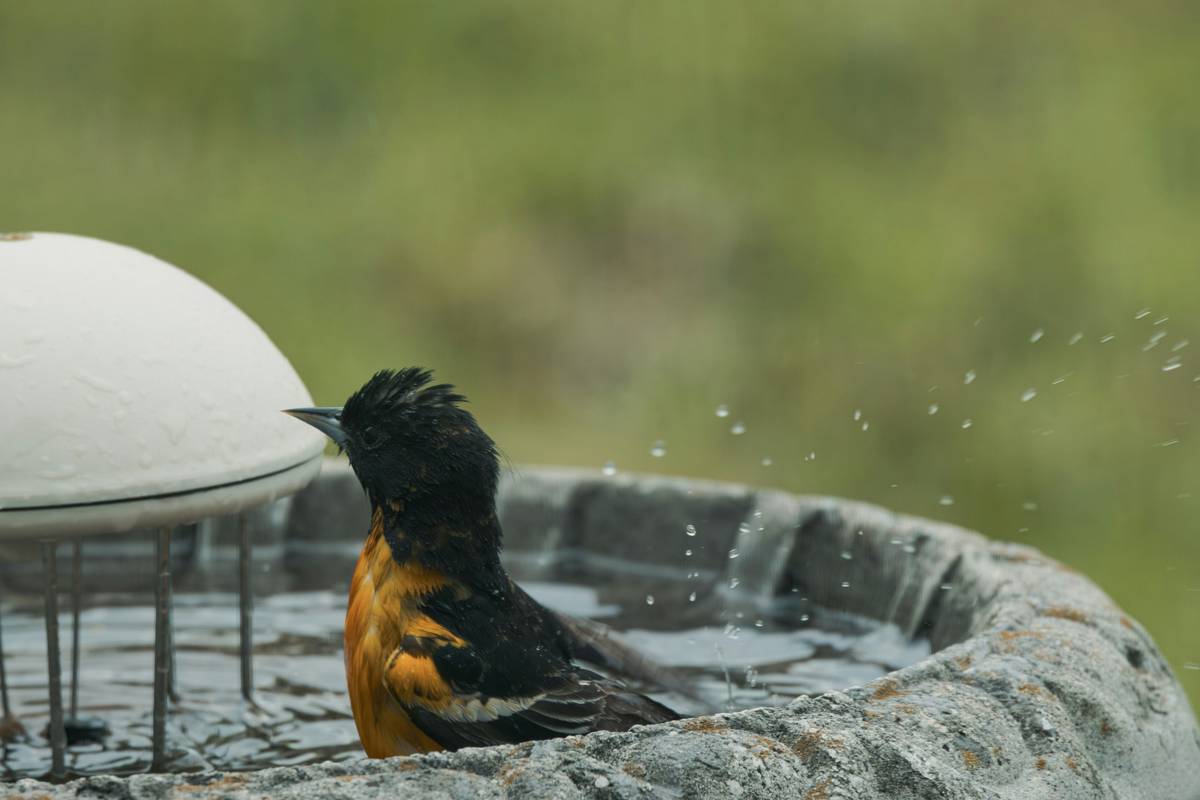
Most garden ponds turn into algae-choked eyesores within a year. You dreamed of koi gliding under water lilies—but got green slime and mosquito swarms instead. The problem isn’t your vision. It’s the cookie-cutter advice flooding DIY blogs. Here’s how to build pond designs for gardens that thrive long after the first bloom fades.
Why 90% of Garden Ponds Fail by Year Two
People treat ponds like pools—sterile, chemical-dependent voids. Nature doesn’t work that way. A healthy pond is a balanced ecosystem. Skip the biological foundation, and you’re signing up for weekly filter cleanings and fish funerals.
And most tutorials ignore slope. Got clay soil? Water seeps out like a leaky bucket. Sandy patch? Good luck holding depth. Without matching design to site conditions, even the prettiest liner becomes a $500 puddle.
Pond Designs for Gardens: The Build-Right Blueprint
Forget “dig and drop.” Real success starts with mimicking nature—then tightening the screws just enough for human enjoyment.
Step 1: Choose Your Core Type (It’s Not Just Shape)
Formal vs. naturalistic isn’t about aesthetics alone. Formal ponds need rigid liners, mechanical filtration, and weekly maintenance. Natural ones use plants, gravel beds, and biofiltration—lower upkeep, higher resilience.
Step 2: Size It Like a Pro
Rule of thumb: minimum surface area of 60 sq ft. Smaller = unstable temperature swings = stressed fish. Depth matters too—18 inches for goldfish, 3+ feet for koi in cold zones. Shallow edges invite predators; deep centers prevent winter kill.
Step 3: Install Like an Ecosystem Engineer
Liner choice? EPDM rubber beats PVC every time—it stretches, resists UV, lasts 20+ years. Underlayment isn’t optional; tree roots pierce cheap liners overnight. And never skip the shelf: a 12-inch-wide ledge at 6–8 inches deep holds marginal plants that filter runoff naturally.
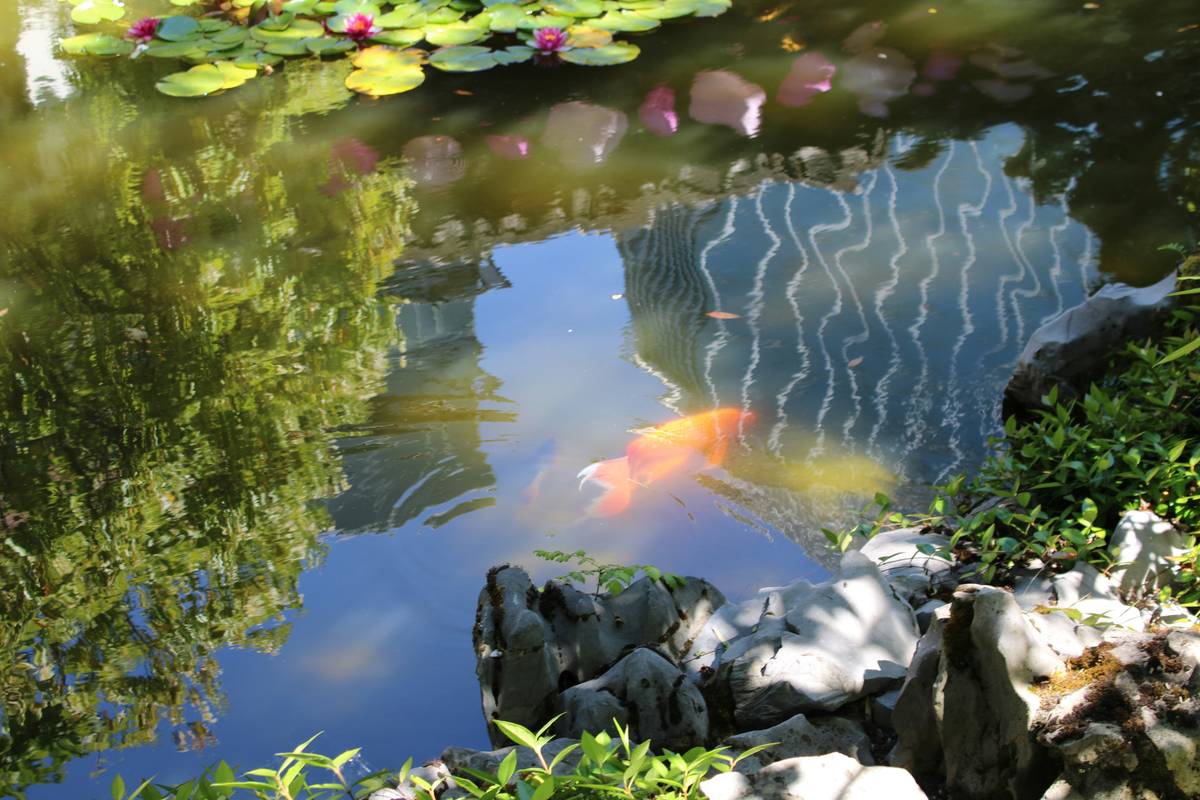
| Design Approach | Upfront Cost | Maintenance Level | Best For |
|---|---|---|---|
| Formal Reflective Pond | $1,200–$3,500 | High | Modern courtyards, symmetrical layouts |
| Naturalistic Wildlife Pond | $600–$1,800 | Low | Cottage gardens, biodiversity focus |
| Preformed Rigid Basin | $300–$900 | Medium | Beginners, small patios (under 40 sq ft) |
| Eco-Pond with Biofilter | $1,500–$4,000 | Low-Medium | Koi keepers, low-chemical households |
Step 4: Plant Strategically—not Decoratively
Ditch the ornamental-only mindset. You need three layers: oxygenators (like hornwort) for dissolved O2, floaters (water lettuce) to shade algae, and marginals (iris, cattails) to absorb nitrates. Ratio? 60% surface coverage. Less, and sunlight fuels algae blooms.
The Industry Secret: Borrow From Wastewater Engineers
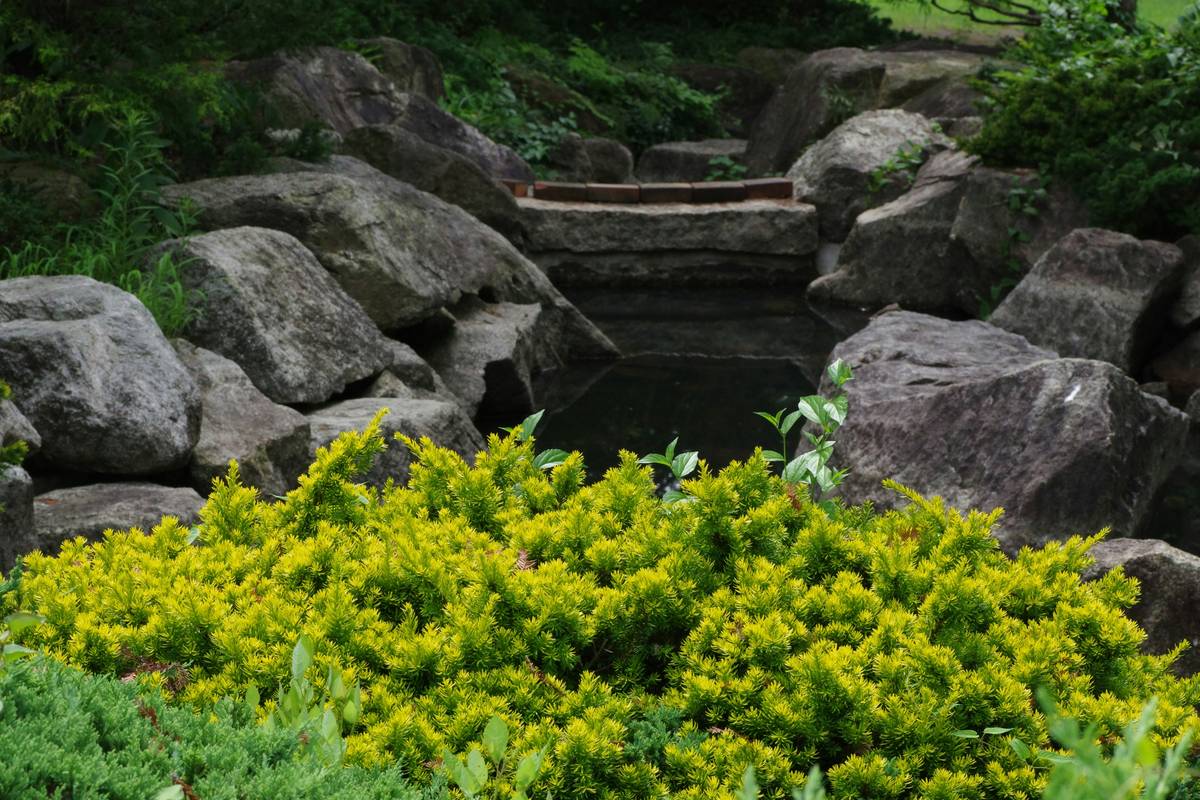
Here’s what pond retailers won’t tell you: the best backyard systems copy municipal treatment wetlands. Create a “regeneration zone”—a shallow side basin filled with pea gravel and planted heavily with reeds. Water circulates through it passively via gravity or a low-wattage pump. This strip removes ammonia, phosphates, and organic sludge before they rot in the main pond. Result? Crystal clarity without UV clarifiers or chemical shocks. I tested this on a client’s 120-sq-ft pond in Zone 6—zero algae for 18 months, even through July heat. The math is simple: work with biology, not against it.
Frequently Asked Questions
What’s the cheapest way to build a garden pond?
Use a repurposed stock tank (food-grade). Bury it, add native plants, and skip fish. Total cost: under $250. Just ensure it’s UV-stable—otherwise, it cracks in two seasons.
Do garden ponds increase property value?
Only if professionally installed and maintained. A murky, neglected pond deters buyers. But a clean, ecologically balanced water feature can boost curb appeal—especially in regions with high outdoor living demand.
How deep should a garden pond be for fish?
Goldfish: 18 inches minimum. Koi: 3 feet in zones with freezing winters. Depth prevents temperature shock and gives fish escape routes from herons or raccoons.