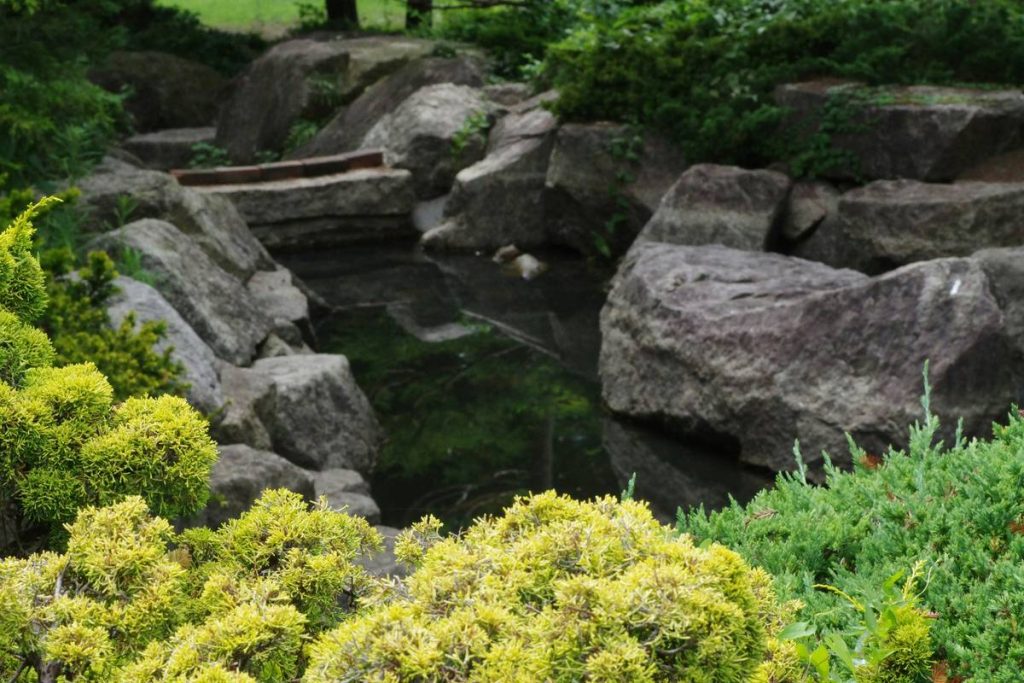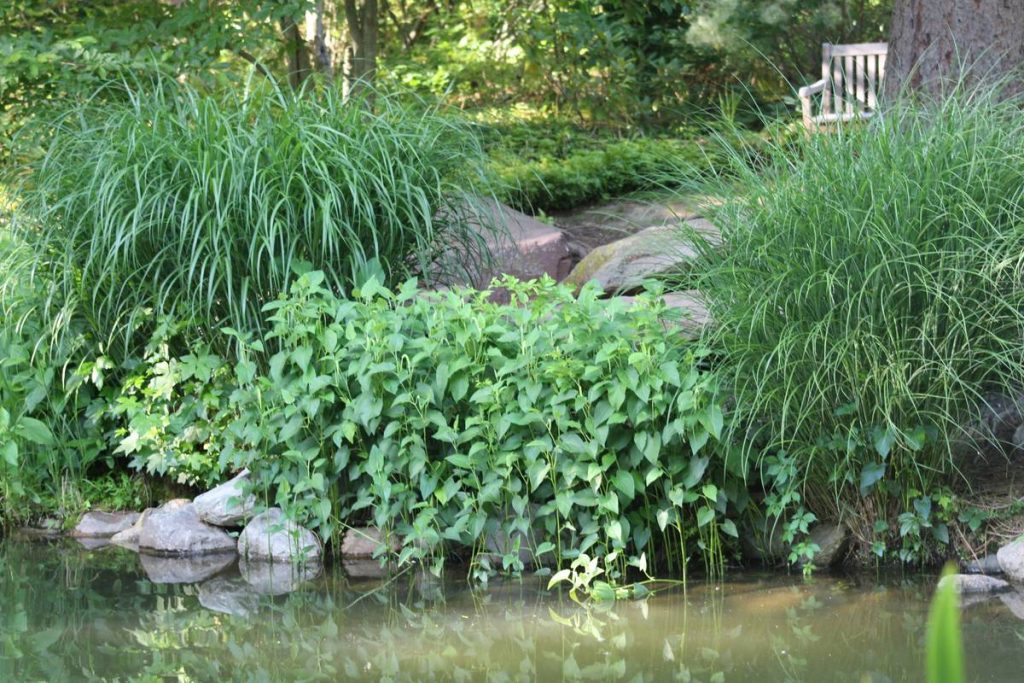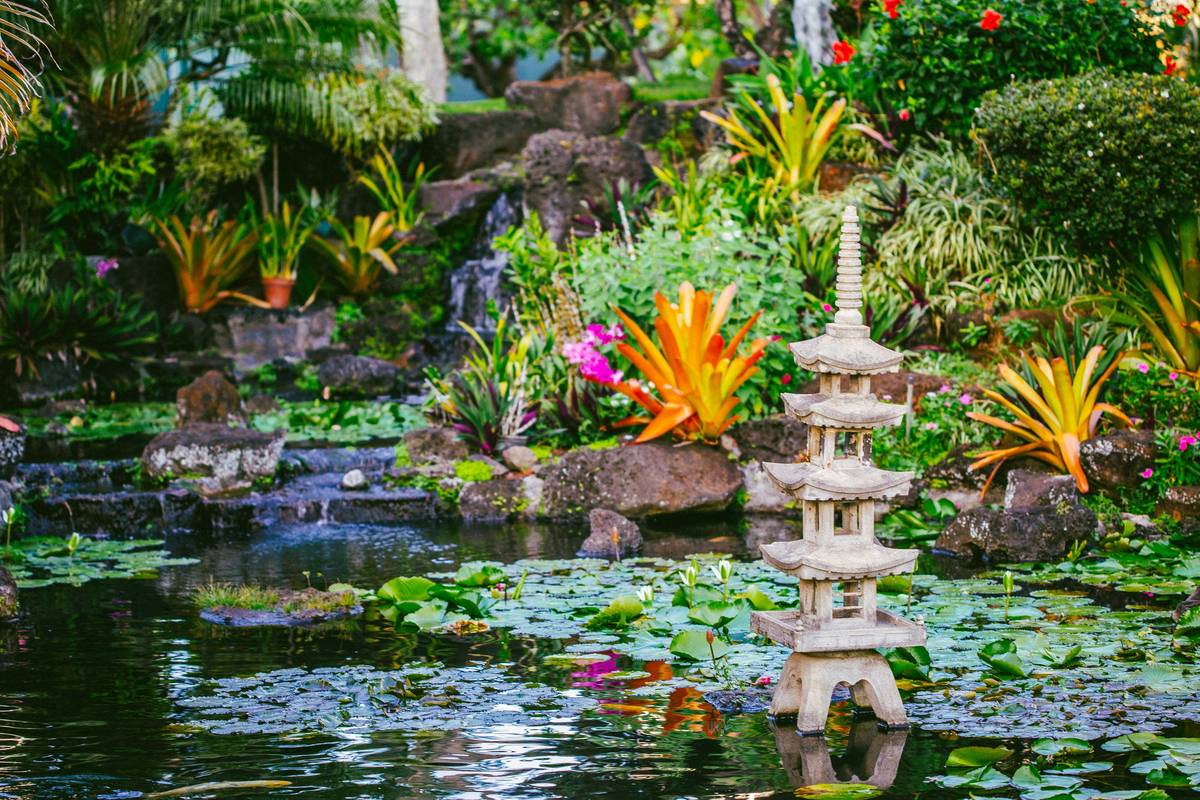
Most homeowners treat their yard like an afterthought—just grass, maybe a sad shrub or two. But here’s the problem: that blank slate is wasting serious potential. A lifeless backyard drains joy, not adds it. And while patios and fire pits scream “temporary trend,” water features whisper timeless calm. The solution? A garden pond. Not just decorative fluff—the benefits of having a pond run deeper than aesthetics. Think ecosystem engine, stress reducer, and value booster—all in one.
Why Most Backyard Upgrades Fall Flat (And Ponds Don’t)
You’ve seen it. The neighbor who spent $8K on stamped concrete, only to abandon it by August. Or the trendy pergola now buried under spiderwebs. Static hardscaping lacks soul—and adaptability. Plants die. Trends fade. But water? Water moves. It reflects sky, filters sound, and invites wildlife. It’s dynamic. Alive. And unlike rigid structures, a pond evolves with your garden—not against it.
And crucially—it solves multiple problems at once. Heat islands? Ponds cool microclimates naturally. Boring views? Suddenly you’ve got dragonflies, lilies, maybe even frogs. Kids glued to screens? Hand them a net and watch them become junior ecologists overnight.
How to Build a Garden Pond That Actually Works
Forget shallow preformed shells that crack in winter. Real ponds mimic nature—layered edges, varied depths, integrated plants. Here’s how to do it right:
Selecting Size & Location
Sunlight matters—but so does wind exposure. Too much sun = algae explosion. Too windy = debris chaos. Aim for 4–6 hours of indirect sunlight. Place it where you’ll actually see it daily—from your kitchen window, patio chair, or morning coffee spot.
Liner vs. Preformed Basin
Preformed basins look neat on paper. Reality? They limit design, crack easily, and rarely hold more than 200 gallons—useless for balanced ecosystems. Flexible EPDM liner costs slightly more upfront but lasts decades and bends to your vision.
Planting for Balance (Not Just Beauty)
Ornamental water lilies grab attention—but oxygenators like hornwort or anacharis do the heavy lifting. They consume excess nutrients, outcompeting algae. Marginal plants (iris, cattails) filter runoff and shelter fish. It’s not gardening—it’s biochemical engineering.
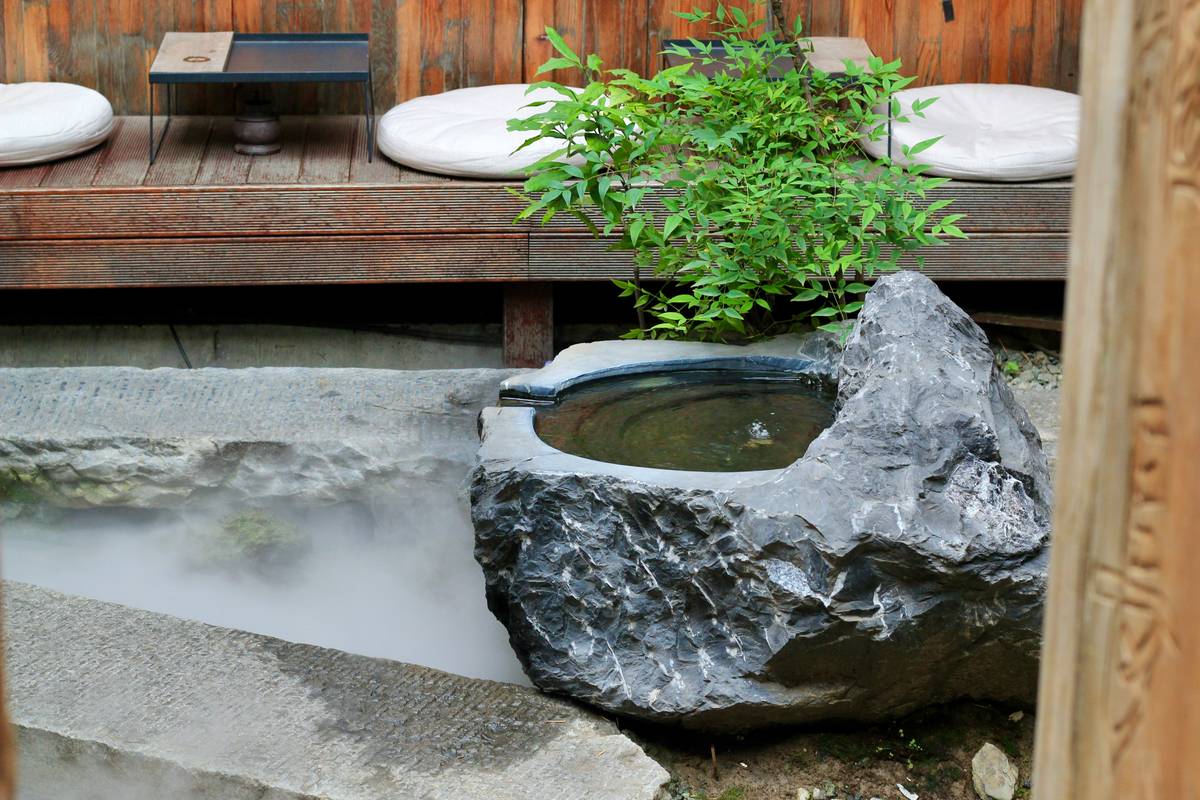
| Approach | Initial Cost | Maintenance Effort | Ecosystem Stability | Lifespan |
|---|---|---|---|---|
| Preformed Plastic Basin | $150–$400 | High (algae blooms, leaks) | Poor | 2–5 years |
| DIY EPDM Liner Pond | $500–$2,000 | Low (once established) | Excellent | 15+ years |
| Professional Built (Concrete/Formal) | $5,000+ | Moderate | Good (if designed well) | 20+ years |
Filtration: Less Is Often More
Here’s the industry secret most landscapers won’t tell you: over-filtering kills natural balance. A healthy pond doesn’t need UV clarifiers or protein skimmers—unless you’re keeping dozens of koi. For most home gardens, a simple pump circulating water through gravel and plant roots suffices. Nature built the original filtration system. We just forgot how to use it.
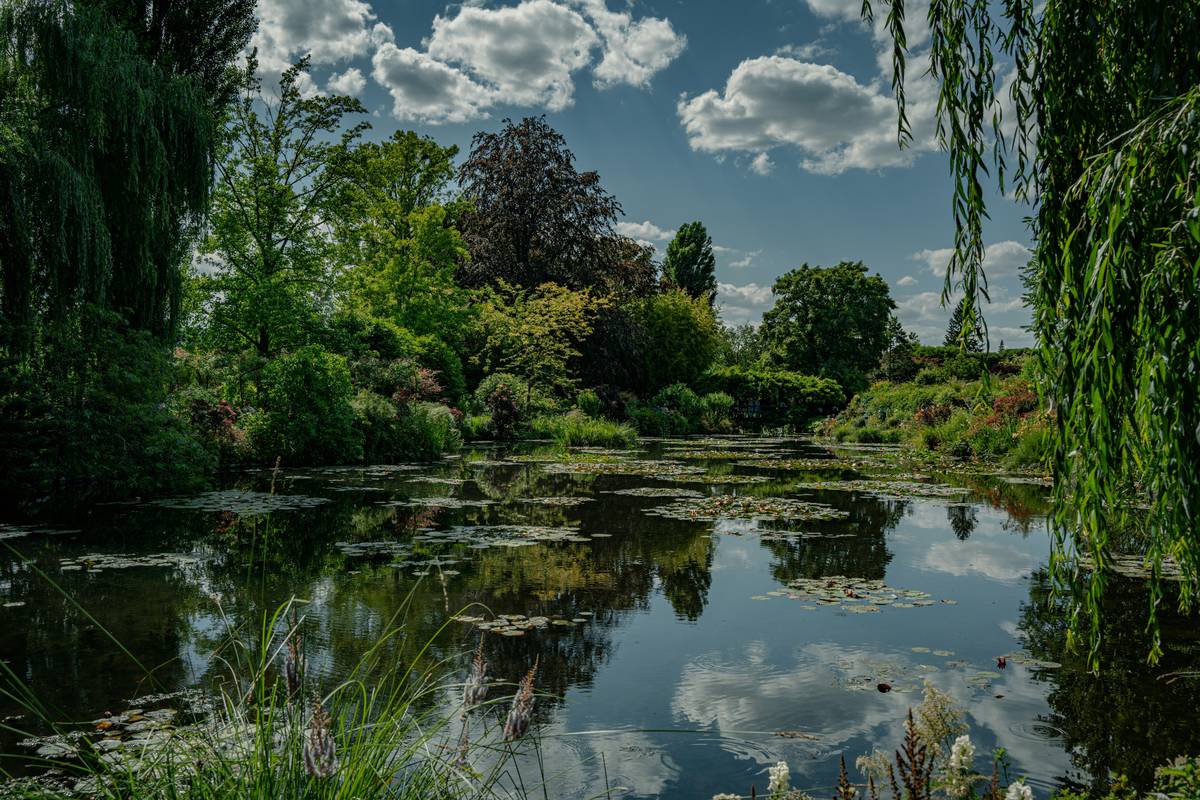
The Hidden Benefit No One Talks About: Emotional ROI
Forget resale value for a second. This is about daily mental returns. Studies show proximity to moving water lowers cortisol levels within minutes. But beyond data—there’s magic in noticing. The way light dances on ripples at dusk. The first frog calling in spring. A heron pausing mid-hunt. These aren’t “features.” They’re moments of presence in a distracted world.
And—ironically—the less you interfere, the richer it gets. Stop vacuuming every leaf. Let some sediment settle. That “mess” feeds microbes that feed insects that feed birds. Your pond isn’t a pool to sanitize. It’s a living room for the local food web.
FAQ: Quick Answers to Common Pond Questions
Do garden ponds attract mosquitoes?
Only if water is stagnant. Add a small fountain or waterfall—moving water prevents breeding. Or introduce mosquito fish or dragonfly nymphs, natural predators.
Can I have a pond without fish?
Absolutely. Fish add maintenance. Many ecological ponds thrive with just plants, snails, and insects. Simpler, lower cost, and equally beautiful.
How deep should a backyard pond be?
Minimum 18 inches for plant roots. For fish or freezing climates, aim for 24–36 inches to prevent full ice penetration in winter.