Your pond looked like a serene oasis in April. By July? It’s pea soup with mosquito condos. You’ve tried barley straw, UV clarifiers, even that “miracle” bacteria from the garden center. Still murky. Still smelly. Here’s the truth: most advice treats symptoms, not root causes. But you can keep your pond healthy—without weekly chemical cocktails or draining it every spring.
Why Your Pond Keeps Failing (Even When You “Do Everything Right”)
Most homeowners over-clean and under-think. They scrub filters, add chlorine-based algaecides, and yank out every leaf—killing the microbial balance that actually stabilizes water. Nature isn’t sterile. A healthy pond isn’t crystal clear because it’s sanitized; it’s clear because it’s balanced. And balance comes from biology, not bleach.
Here’s the reality: if your pond lacks diversity—plants, microbes, even a few snails—it’s just a stagnant bathtub waiting to bloom. Stop fighting algae like an enemy. Start managing your pond like an ecosystem.
How to Keep a Pond Healthy: 5 Non-Negotiable Steps
1. Stock Smartly—Not Heavily
Fish load matters more than filter size. One inch of fish per 10 gallons is the old rule—and it’s dead wrong for small backyard ponds. Try this instead: one inch per 20 gallons, max. Overstocking = excess waste = ammonia spikes = algae parties. Goldfish? Koi? They’re messy. If you want clarity, go light or go plant-only.
2. Plant Coverage: 60% Is the Magic Number
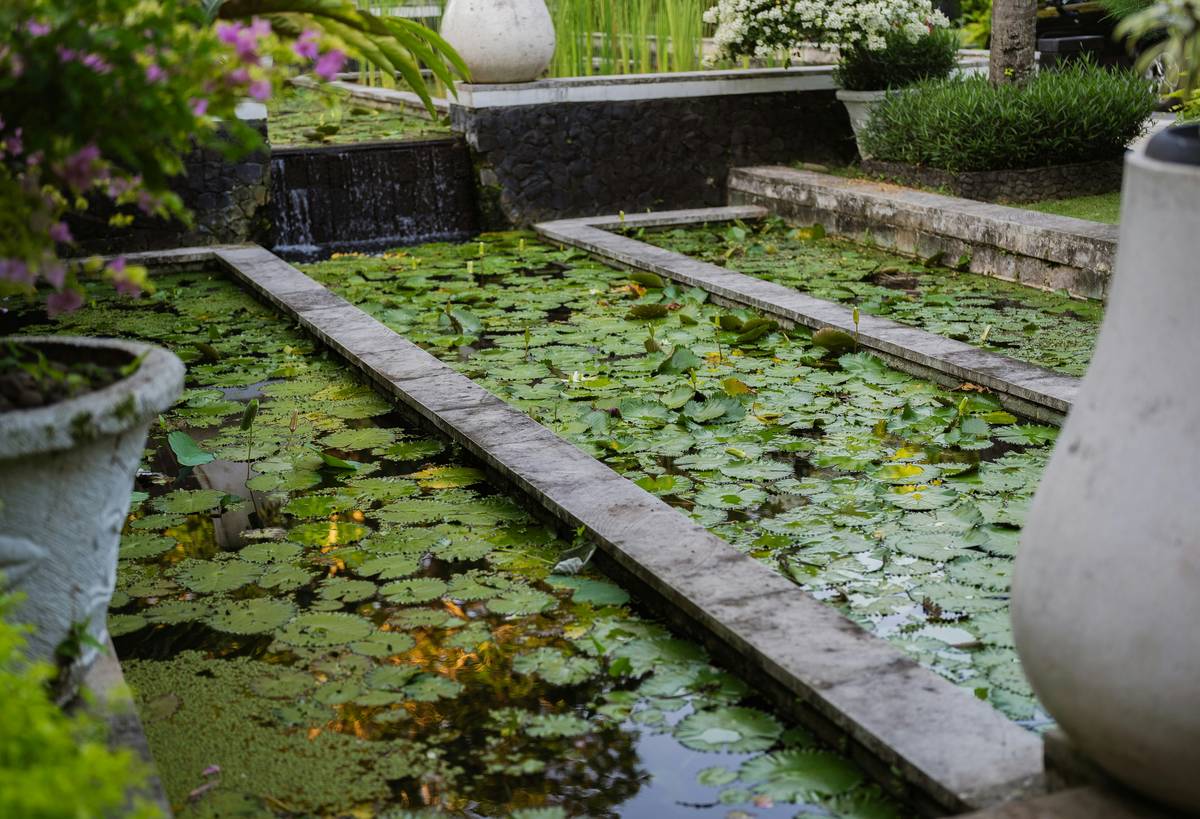
Surface plants like water lilies or floating hyacinth shade the water—blocking sunlight algae crave. Submerged oxygenators like hornwort absorb nitrates directly. Aim for 50–70% total coverage. Less? Sunlight wins. More? Oxygen crashes at night. Find the sweet spot—and stick to it.
3. Filter & Flow: Simpler Than You Think
You don’t need a $500 biofilter. A submersible pump moving half your pond volume per hour, paired with a basic sponge pre-filter, often suffices. Position outflow near the surface to disrupt film and boost gas exchange. Stagnant corners breed anaerobic sludge—your pond’s silent killer.
4. Skip Chemicals—Unless It’s Emergency Triage
Copper-based algaecides kill beneficial bacteria alongside algae. Chlorine shocks destroy your entire microbial colony. Use them only when green water threatens fish survival—not because it “looks bad.” Prevention beats correction every time.
5. Maintenance That Actually Helps (Not Hurts)
Never clean your filter media with tap water—chlorine kills the good bugs living there. Rinse it in pond water during partial changes. Remove decaying leaves weekly in fall. Test pH and ammonia monthly. Small, consistent actions beat heroic spring cleanouts.
| Method | Cost (Annual) | Effectiveness for Clarity | Risk to Ecosystem |
|---|---|---|---|
| UV Clarifier + Chemicals | $120–$200 | High (short-term) | High – wipes microbes |
| Plant-Dominated Balance | $40–$80 | Moderate-High (long-term) | Very Low |
| Sponge Filter + Low Fish Load | $30–$60 | Moderate | Low |
| Barley Straw Bales | $25–$50 | Low-Inconsistent | Minimal |
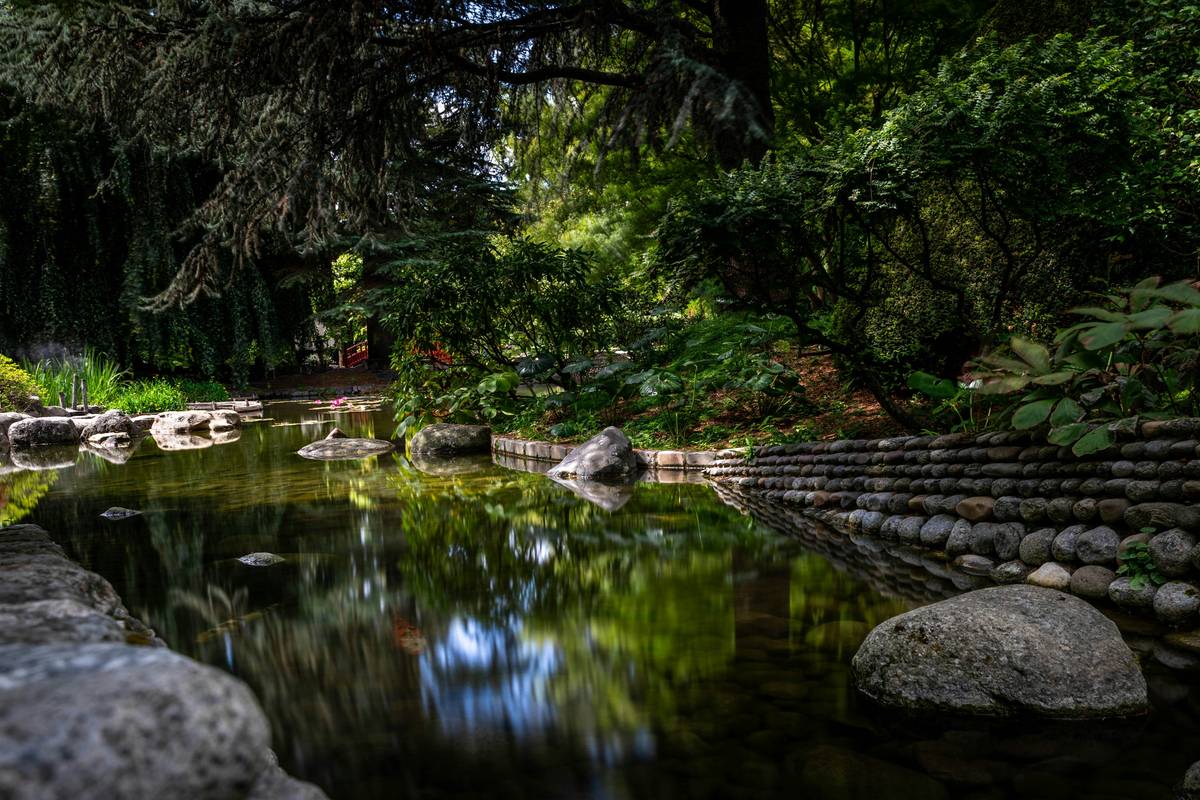
The Industry Secret: Use Leaf Litter as Biofuel
Landscapers hate this trick—but it works. In autumn, don’t remove all fallen leaves. Let a thin layer (½ inch max) settle on the pond bottom. As it decomposes, it feeds anaerobic bacteria that convert nitrates into nitrogen gas—permanently removing nutrients algae feed on. Yes, it sounds counterintuitive. But controlled decomposition mimics natural wetland cycles. Just monitor oxygen levels if you have fish. And never do this with walnut, eucalyptus, or chemically treated leaves—they’re toxic.
Think about it: nature doesn’t rake its ponds. It recycles.
FAQ: Quick Answers to Real Pond Owner Questions
How often should I change pond water?
10–15% weekly during warm months. Never more than 30% at once—sudden shifts stress fish and crash beneficial bacteria.
Can I keep a pond healthy without fish?
Absolutely—and it’s easier. Fish add waste and complicate balance. A plant-only pond stabilizes faster and requires less intervention.
Why is my pond green after rain?
Rainwater carries phosphates from roofs and lawns—algae fertilizer. Add floating plants before storm season to intercept runoff nutrients.