Most homeowners pour money into patios, fire pits, or outdoor kitchens—only to watch their garden feel like an afterthought. A pond? Too messy. Too high-maintenance. Or so they think. But here’s the truth: a thoughtfully designed landscaped garden with pond doesn’t just look luxurious—it can boost your home’s resale value by up to 15%. The trick isn’t spending more. It’s designing smarter.
Why Most Garden Ponds Fail Within 18 Months
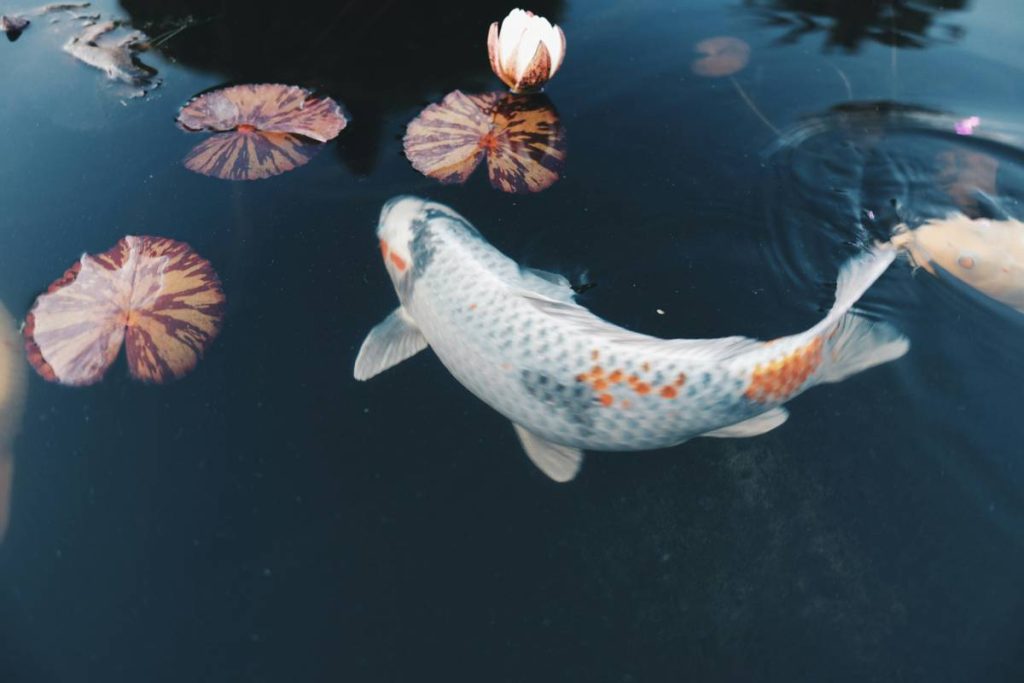
They’re built backward. People start with aesthetics—rock placement, fancy liners, koi fish—and forget the ecosystem. Algae blooms. Water turns green. Mosquitoes move in. Maintenance becomes a chore, not a joy. And before long, that “tranquil retreat” is just a stagnant eyesore covered in netting.
The real issue? Ignoring water dynamics and plant-to-fish ratios. A pond isn’t a bathtub you fill and forget. It’s a living system. Get the balance wrong, and nature punishes you fast.
Step-by-Step Blueprint for a Low-Maintenance, High-Impact Landscaped Garden with Pond
Forget cookie-cutter kits. This method prioritizes function first—then beauty emerges naturally.
Selecting the Right Location (It’s Not Where You Think)
Avoid full sun. Yes, really. Full southern exposure accelerates algae growth. Instead, pick a spot with 4–6 hours of dappled sunlight—ideally near existing trees that drop minimal leaves. Proximity to your main seating area matters too. If you can’t see or hear it from your favorite chair, you’ll never enjoy it.
Pond Depth, Shape, and Liner Strategy
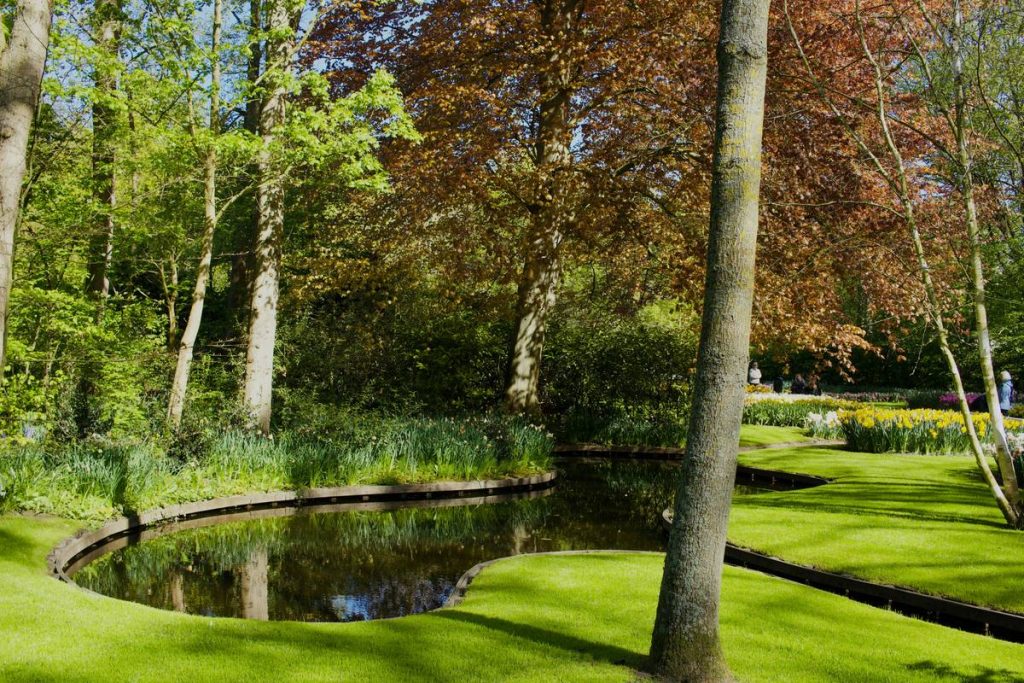
Depth dictates biodiversity. Shallow ponds (<18”) heat up fast and support only surface plants. Go at least 24” deep in one zone to create a thermal refuge for fish and beneficial microbes. Irregular shapes mimic nature better than circles or ovals—and reduce dead water corners where debris collects. Use EPDM rubber liner, not PVC. It lasts decades, not seasons.
Plant Layering: The Secret Filtration System
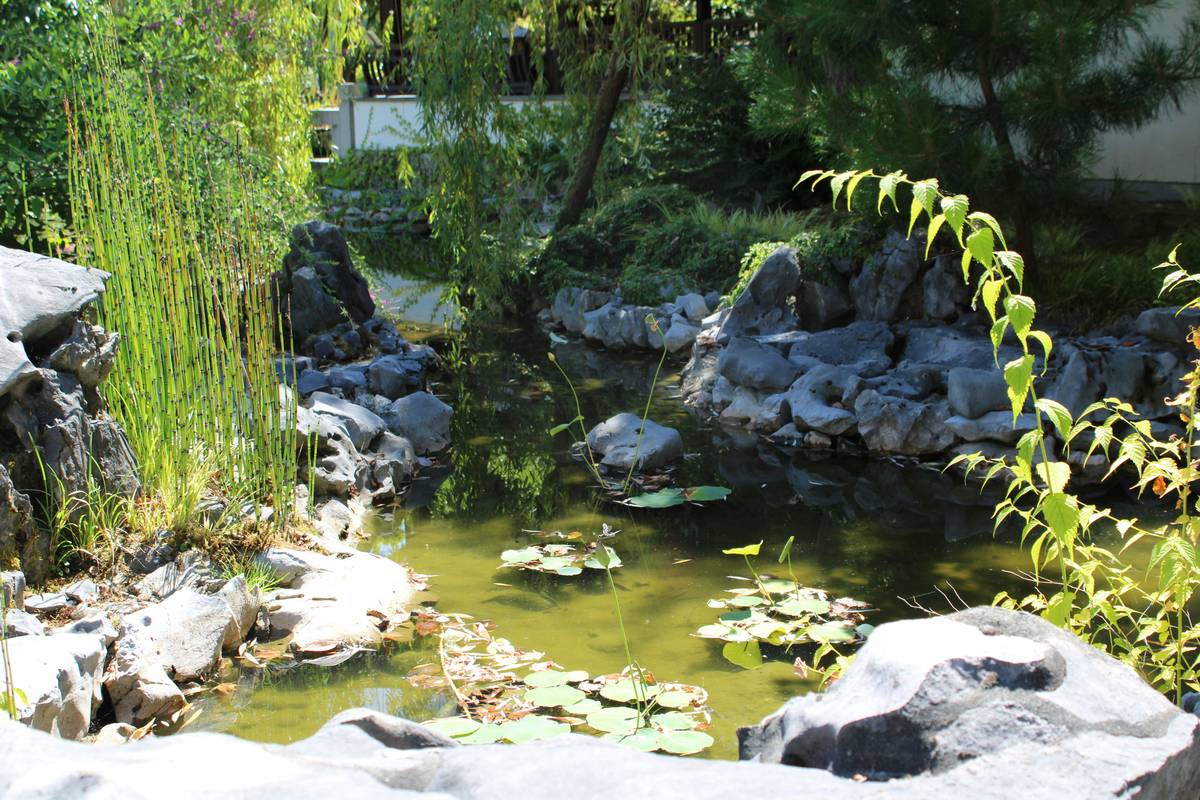
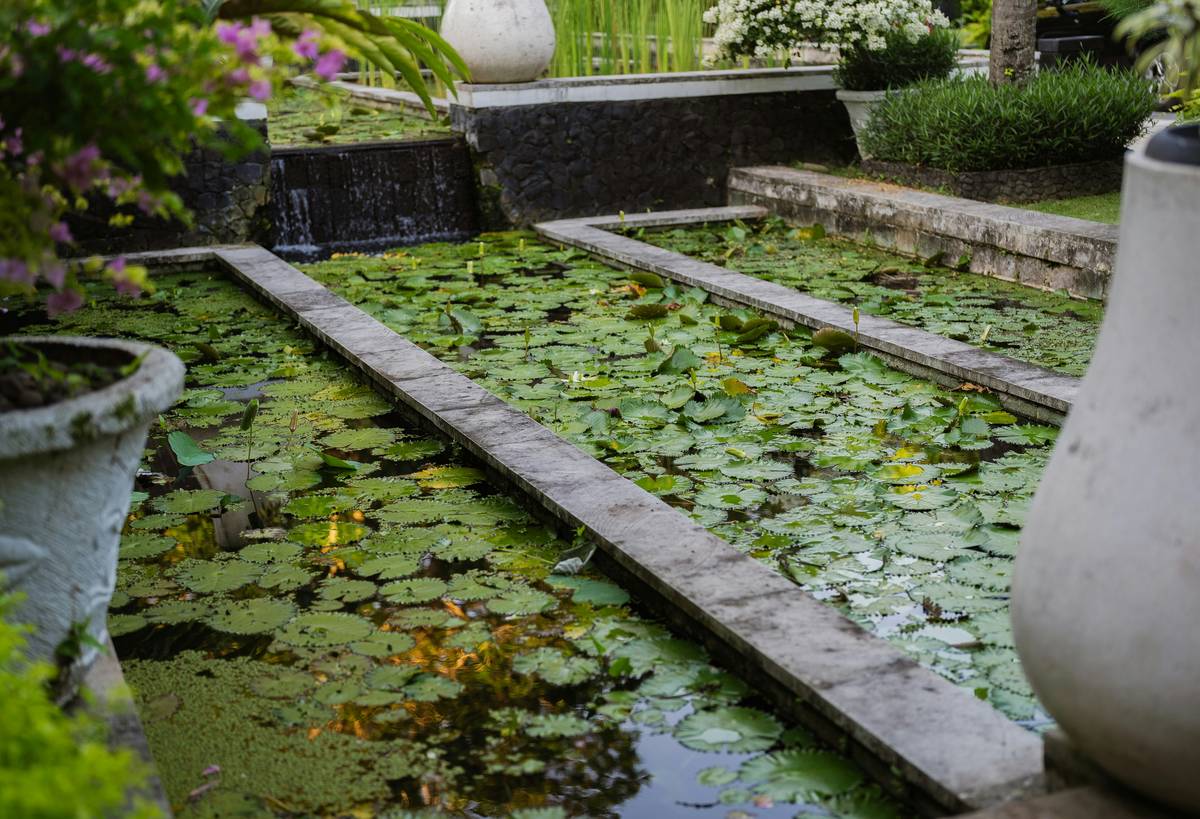
Plants aren’t just decor—they’re your biological filter. Use a 3-layer approach: marginal plants (like irises) along edges, submerged oxygenators (hornwort, anacharis) in deep zones, and floating covers (water lilies) to shade 60–70% of the surface. This combo starves algae of light and nutrients without chemicals.
| Installation Approach | Upfront Cost | Maintenance Level | Lifespan (Years) |
|---|---|---|---|
| Preformed Plastic Pond | $200–$500 | High (frequent cleaning, prone to cracking) | 3–5 |
| DIY EPDM Liner + Natural Edging | $800–$1,800 | Low (self-balancing ecosystem) | 15–25+ |
| Professional Ecosystem Pond | $5,000–$15,000 | Very Low (includes biofalls, UV clarifiers) | 20–30+ |
Integrating Hardscape Without Killing the Vibe
Don’t surround your pond with wide concrete slabs. That screams “utility,” not serenity. Instead, use irregular flagstone paths that taper as they approach the water’s edge. Add a single bench—positioned so you face the pond’s widest view. Keep lighting subtle: solar path lights on the periphery, maybe one underwater LED for evening ambiance. Less is more.
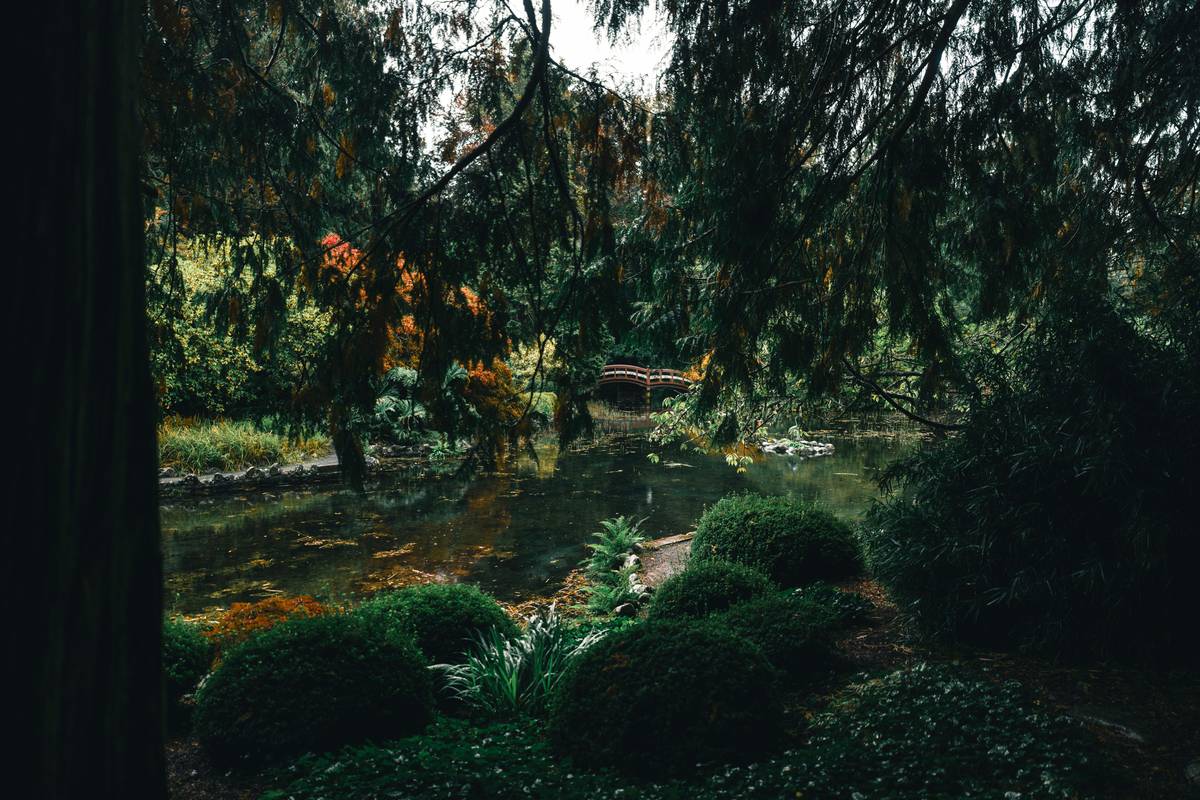
The Industry Secret: Borrowed Scenery (Shakkei) for Instant Depth
Here’s what landscape architects won’t tell you for free: you don’t need a big yard to make a pond feel expansive. Use shakkei—a Japanese design principle that “borrows” distant views. Frame your pond toward a mature tree, a hillside, or even a neighbor’s lush hedge (with permission, ideally). Place taller marginal plants on the near side, shorter ones toward the far edge. Your eye follows the gradient outward, making the space feel larger than it is. One client in suburban Ohio used this trick with a backyard maple—and buyers assumed the pond was twice its actual size. Sold in 9 days.
Frequently Asked Questions
Do garden ponds attract mosquitoes?
Only if water is stagnant. Add a small pump or fountain—just enough to ripple the surface—and mosquitoes won’t lay eggs. Fish like gambusia eat larvae, too.
Can I install a pond myself without experience?
Yes—if you stick to under 100 sq ft and use EPDM liner. Avoid complex plumbing. Focus on depth variation and plant balance. Skip fish until year two.
Does a pond increase property value?
When done right, yes. Appraisers note “premium outdoor features.” But poorly maintained ponds hurt value. Cleanliness and integration matter more than size.